Crawl space waterproofing is a crucial aspect of home maintenance that often goes overlooked until water-related issues arise. Protecting your crawl space from moisture is essential to prevent structural damage, mold growth, and other potential problems. In this comprehensive guide, we'll explore various crawl space waterproofing methods to help you make informed decisions and keep your home safe and dry.
I. Understanding the Importance of Crawl Space Waterproofing
A. The Role of the Crawl Space in Home Structure
The crawl space, though often overlooked, plays a crucial role in the overall structural integrity and energy efficiency of a home. Situated between the ground and the first floor, the crawl space provides access to plumbing, electrical wiring, and other essential components. Its primary purpose is to allow proper ventilation and prevent the buildup of moisture beneath the house.
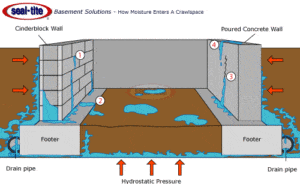
However, if left unprotected, the crawl space can become a breeding ground for various issues. Moisture is a common adversary, and when it infiltrates this space, it can lead to a host of problems. Wooden structural elements, such as beams and joists, are particularly susceptible to damage from prolonged exposure to moisture. Over time, this can result in wood rot, compromising the structural stability of your home.
B. Common Issues Caused by Moisture in Crawl Spaces
Understanding these potential issues emphasizes the importance of implementing effective crawl space waterproofing methods. By proactively addressing moisture-related concerns, homeowners can protect their investment, enhance indoor air quality, and ensure the long-term stability of their homes. In the following sections, we will delve into specific signs indicating the need for crawl space waterproofing and explore various methods to safeguard this vital space.
II. Signs Your Crawl Space Needs Waterproofing
Your crawl space may not be the most visited area in your home, but it is essential to pay attention to signs that indicate potential moisture-related issues. Recognizing these signs early on can help you take prompt action to prevent extensive damage. Here are some key indicators that your crawl space may need waterproofing:
A. Musty Odors and Mold Growth
B. Wood Rot and Structural Damage
C. Increased Energy Bills
Identifying these signs early on empowers homeowners to take proactive measures to address crawl space moisture. In the next sections, we will explore various crawl space waterproofing methods, ranging from exterior excavation to interior solutions like vapor barrier barriers and encapsulation, to help you choose the most suitable approach for your home.
III. Crawl Space Waterproofing Methods
Effectively waterproofing your basement and crawl space involves a combination of preventive measures and targeted solutions tailored to your home's specific needs. Below, we'll explore various crawl space waterproofing methods, categorized into exterior and interior solutions, as well as drainage systems.
A. Exterior Excavation and Waterproofing
B. Interior Crawl Space Waterproofing
C. Drainage Systems
Choosing the right combination of crawl space waterproofing methods depends on factors such as the local climate, soil conditions, and the specific issues affecting your home. In the following sections, we'll explore do-it-yourself (DIY) crawl space waterproofing tips and discuss when it's advisable to seek professional assistance.
IV. DIY Crawl Space Waterproofing Tips
While certain crawl space drainage system waterproofing tasks may require professional expertise, there are several do-it-yourself (DIY) measures that homeowners can undertake to mitigate moisture-related issues. Implementing these tips can be cost-effective and contribute to the overall health and dryness of your crawl space.
A. Identifying and Fixing Common Sources of Leaks
B. Proper Ventilation Techniques
C. Regular Maintenance Practices
V. Hiring a Professional Waterproofing Service
When DIY efforts fall short or when facing more complex crawl space issues, seeking the expertise of a professional waterproofing service is crucial. Professional contractors bring specialized knowledge, experience, and equipment to address both the immediate concerns and the long-term health of your crawl space. Here are key considerations when hiring a professional waterproofing service:
A. Importance of Professional Assessment
B. Choosing the Right Waterproofing Contractor
C. Cost Considerations and Budgeting
By investing in a professional waterproofing service, you can ensure that your crawl space receives the attention it needs to remain dry and structurally sound. The expertise of professionals not only resolves existing problems but also helps prevent future issues, ultimately protecting the overall health and value of your home. In the final section, we will discuss long-term maintenance strategies to keep your crawl space in optimal condition.
Crawl space waterproofing is an investment in the longevity and stability of your home. By understanding the importance of keeping your crawl space dry and exploring various waterproofing methods, you can take proactive steps to prevent potential issues. Whether you opt for exterior excavation, interior waterproofing, or a combination of methods, the key is to address moisture-related problems promptly. Consider consulting with a professional waterproofing service to assess your crawl space and determine the most effective solution for your home's unique needs. With proper care and attention, you can ensure a dry and healthy crawl space for years to come.
Contact the Professionals at Seal-Tite Basement Waterproofing Today! 540-992-1144