Crawlspace waterproofing is a critical aspect of maintaining the structural integrity of homes, particularly those built with a crawlspace foundation. These foundations are common in regions with high water tables or where full basements may not be feasible. However, without proper waterproofing, crawlspaces can become a breeding ground for moisture-related problems like mold, wood rot, and even structural damage. In this article, we will explore the importance of crawlspace waterproofing, common methods used, and how homeowners can ensure their crawlspaces remain dry and protected.
The Importance of Crawlspace Waterproofing
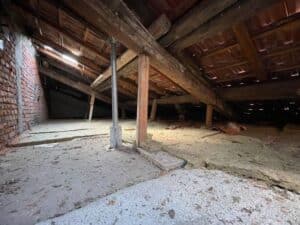
Crawlspaces are often out of sight, leading many homeowners to neglect them until moisture problems arise. Water can enter a crawlspace through a variety of ways, including groundwater seepage, poor drainage, or condensation caused by fluctuating temperatures. Once moisture infiltrates, it creates an environment conducive to mold growth, wood decay, and pest infestations. Furthermore, a damp crawlspace can significantly reduce the indoor air quality of the home, as the moisture can rise into the living spaces above, carrying with it allergens and pollutants.
Waterproofing the crawlspace helps prevent these issues and ensures the long-term durability of the home’s foundation. It also helps maintain a healthy indoor environment by preventing mold and mildew, which can cause respiratory issues and other health problems for inhabitants.
Signs Your Crawlspace Needs Waterproofing
Recognizing early signs that your crawlspace may need waterproofing can save you from costly repairs in the future. Some common indicators include:
Crawlspace Waterproofing Methods
There are several techniques and methods used to waterproof crawlspaces. The choice of method depends on the specific circumstances of the home, including the level of water intrusion and the condition of the crawlspace.
Crawlspace Encapsulation
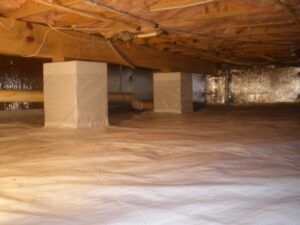
Encapsulation is one of the most effective methods of crawlspace waterproofing. It involves sealing the crawlspace completely with a durable vapor barrier, typically made from heavy-duty plastic. The vapor barrier is applied to the floors, walls, and even ceiling of the crawlspace, creating a sealed environment that prevents moisture from entering.
Encapsulation also often includes the installation of a dehumidifier to control humidity levels and prevent condensation from forming. This method not only prevents water intrusion but also enhances the energy efficiency of the home by creating a thermal barrier.
Installing a Drainage System
If the crawlspace is prone to water seepage, installing a drainage system is essential. French drains or perimeter drains can be installed around the crawlspace to direct water away from the foundation. These drains are typically connected to a sump pump, which actively removes water from the area before it has a chance to pool or cause damage.
In areas with high groundwater levels, the combination of a drainage system and a sump pump is often necessary to keep the crawlspace dry year-round.
Crawlspace Ventilation
Proper ventilation in the crawlspace is another key factor in controlling moisture levels. However, traditional open-air vents can sometimes introduce more moisture than they expel, especially in humid climates. In such cases, installing mechanical ventilation systems that regulate the airflow can help maintain optimal humidity levels. Alternatively, the vents can be sealed as part of an encapsulation system to create a controlled environment.
Vapor Barriers
For homes in regions with high humidity or seasonal rainfall, installing a vapor barrier in the crawlspace is crucial. This heavy plastic sheeting covers the soil in the crawlspace, preventing moisture from rising through the ground and into the space. While it doesn’t provide the comprehensive protection of encapsulation, it is a cost-effective way to reduce humidity and protect the home’s foundation.
Professional vs. DIY Crawlspace Waterproofing
While some homeowners may attempt DIY waterproofing, it’s essential to understand that crawlspace waterproofing requires expertise. Installing drainage systems, sump pumps, and vapor barriers correctly ensures long-term effectiveness. In addition, professional contractors can assess the specific needs of your home and customize solutions accordingly.
Improper installation of waterproofing systems can lead to ongoing moisture issues, making professional services a more reliable option. Professional crawlspace waterproofing companies use advanced techniques, materials, and tools that may not be readily available to the average homeowner.
Maintenance and Long-Term Care
Even after waterproofing, regular maintenance of your crawlspace is vital. Periodically checking for any signs of water intrusion, mold, or damage to the vapor barrier will help you catch problems before they become severe. Ensuring the drainage system and sump pump are functioning correctly, as well as monitoring the humidity levels, will keep your crawlspace dry and protected.
Benefits of Waterproofing Your Crawlspace
Crawlspace waterproofing is not just an option but a necessity for homes with crawlspace foundations. With methods like encapsulation, drainage systems, and vapor barriers, homeowners can ensure their crawlspace stays dry and free from moisture-related problems. Professional waterproofing services offer the most reliable solutions, guaranteeing long-term protection for your home’s foundation and a healthier indoor environment for you and your family.
Contact the Professionals at Seal-Tite Basement Waterproofing Today! 540-992-1144