Key Takeaways
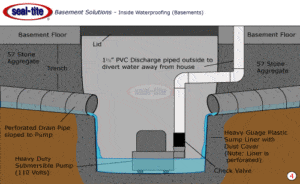
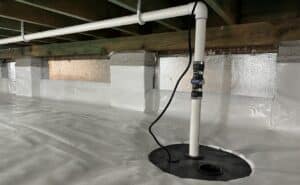
- Sump pumps, installed in a sump basin, automatically pump out excess water from basements or crawl spaces to prevent flooding and structural damage.
- There are two main types of sump pumps for homeowners: submersible pumps, which are quiet and space-saving, and pedestal pumps, which are cost-effective and easily maintained.
- Regular maintenance, correct installation with a GFCI outlet, proper drainage, and being attuned to signs of failure are essential to ensure the long-term effectiveness and reliability of sump pumps.
Understanding Sump Pumps: A Primer
The Mechanics Behind Sump Pumps
Essential Types of Sump Pumps for Homeowners
Submersible Sump Pump Advantages
Pedestal Pumps: When to Choose Them
Backup Systems: Ensuring Continuous Operation
Installation Insights: Where and How to Set Up Your Sump Pump
Preventative Maintenance for Longevity
- Regularly inspect and clean the sump pit, removing any debris.
- Clean the inlet screen of the pump with a scrub brush.
- Periodically test the sump pump by pouring water into the pit and listening for any unusual noises during operation.
Recognizing Signs of Sump Pump Failure
Selecting the Right Sump Pump for Your Needs
- Insufficient power could result in flooding.
- Excessive power may cause frequent cycling and reduce the lifespan of your pump.
- If your sump pump runs for extended periods, it might be struggling due to inadequate horsepower for handling water volume or distance, potentially leading to malfunction.
Cost Considerations for Sump Pump Investment