You know your home is your most significant investment, right? So, don't you think it's worth protecting from potential water damage? Let's discuss some essentialbasement waterproofing methods, from interior techniques like water barriers and sump pumps to exterior methods involving excavation and waterproof membranes. In addition, we can't underestimate the importance of improved drainage systems. But how do you decide which method is the best for your home? Stick around to find out.
Basement Waterproofing
Your home's basement represents an integral part of your property's structure, making its maintenance a vital task.
It's not just an extra storage space; it also serves as your home's foundation. Consequently, taking steps to keep it dry and damage-free can save you from costly repairs in the future.
Basement waterproofingis an essential step in maintaining the integrity of your home. This process helps protect your basement from water damage that can lead to structural issues, mold growth, and indoor air quality problems.
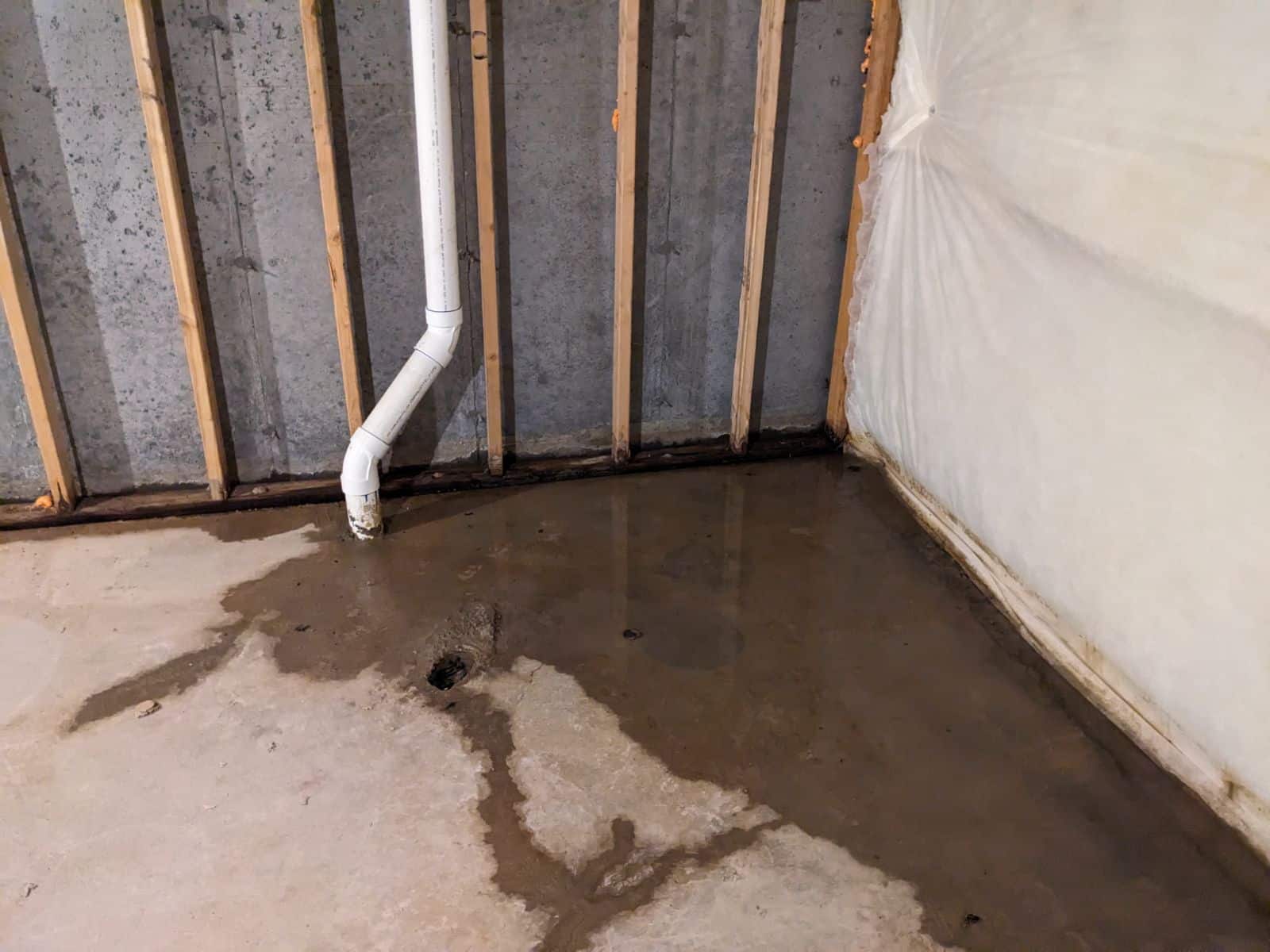
While there are numerous ways to waterproof your basement, the core principle remains: preventing water from entering and damaging the space.
But before you explore waterproofing, it's important to understand the source of the problem. For instance, you might be dealing with condensation, runoff, or groundwater swelling.
Each of these issues requires a different approach for effective waterproofing. Only by identifying the root cause can you choose the right solution.
Basement Waterproofing Techniques
Understanding the range of availablebasement waterproofing techniquesis essential in choosing the most effective solution for your home.
It's critical to comprehend that not all methods suit every situation. Factors like your basement's structure, the intensity of moisture issues, and your budget can impact your choice.
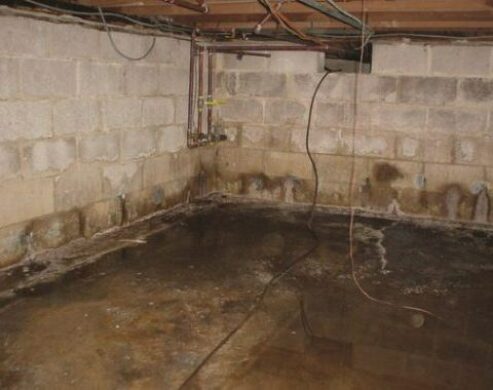
Interior waterproofing is often your first line of defense against water damage. This includes using water barriers, installing sump pumps, and applying interior sealants.
These techniques are typically cost-effective and can help prevent minor water intrusions.
Exterior waterproofing, on the other hand, is more thorough. It involves excavating around your home to install a waterproof membrane on the exterior walls.
This method is more expensive and labor-intensive but can keep water from entering your basement walls.
Lastly, there's drainage improvement, which involves correcting issues with your home's drainage system to prevent water buildup around the foundation.
This can include repairing or installing gutters and downspouts or regrading your yard to direct water away from your home.
To sum up, safeguarding your home's foundation is essential, and understandingbasement waterproofing techniquesis your first line of defense. There's a solution for every severity, from internal solutions like water barriers and sump pumps to exterior methods like excavation and waterproof membranes. Don't overlook proper gutter systems and yard regrading, too. Remember, a little preventive maintenance can spare you from costly repairs. Stay informed, stay protected.
Contact the Professionals at Seal-Tite Basement WaterproofingToday! 540-992-1144