Key Takeaways
- Wall cracks often signal deeper structural problems, not just cosmetic flaws.
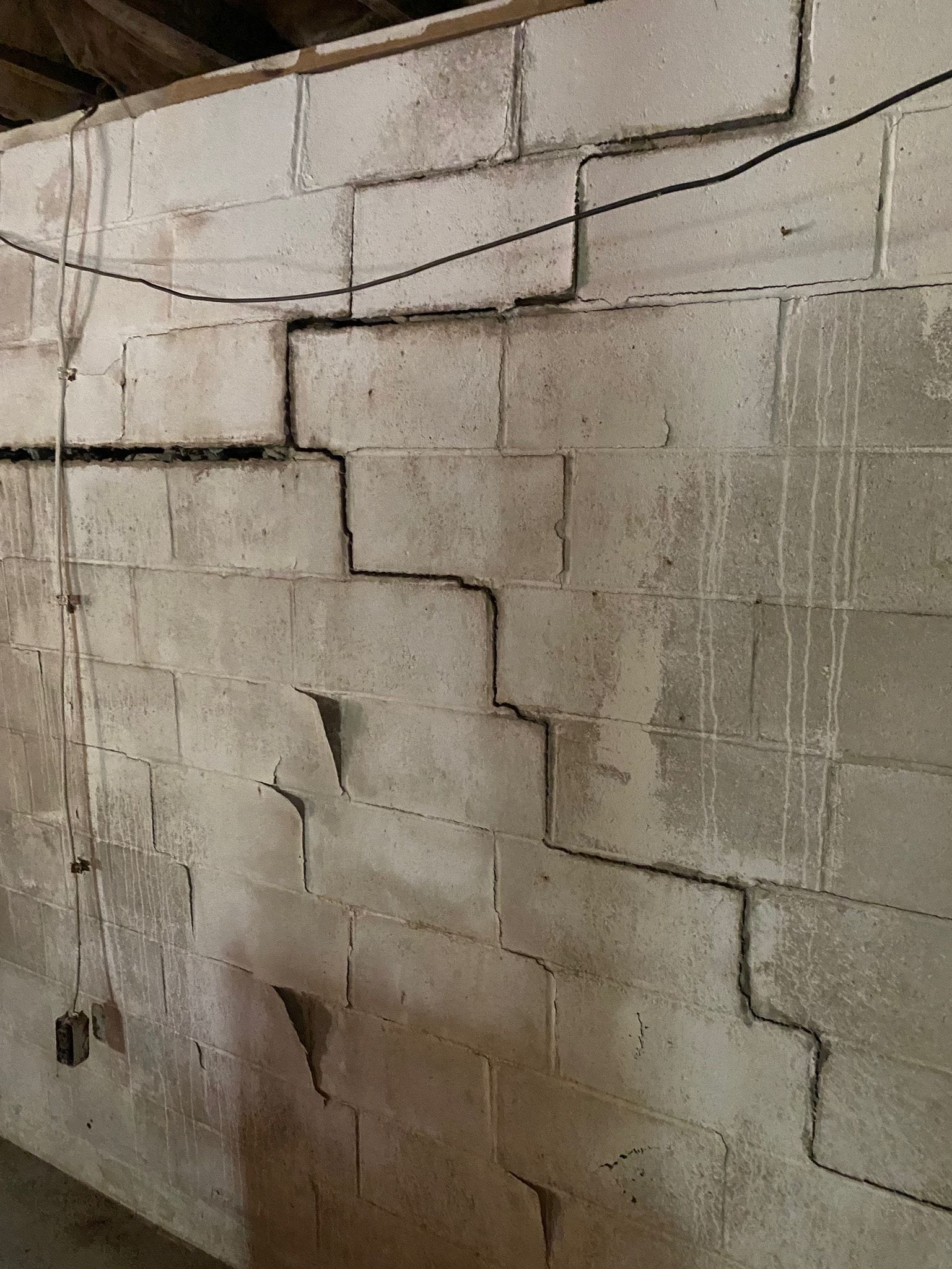
- Horizontal and stair-step cracks are strong indicators of foundation failure.
- Common causes include soil movement, hydrostatic pressure, and settlement.
- Ignoring cracks can lead to water intrusion, pest entry, and major repairs.
- Professional assessment and tailored repair methods are essential for safety and long-term value.
Understanding the Problem
Not all wall cracks are created equal. Some are minor, harmless cosmetic imperfections, but others arevisible warnings of serious foundation distress.The challenge is knowing the difference.
Homeowners often dismiss these cracks as "normal settling" or simply a result of aging materials. However, cracks in drywall, block, or poured concrete walls can signalongoing foundation movement. If left unaddressed, what begins as a minor issue may escalate into structural instability, costly repairs, and even reduced home value.
To protect your investment and your safety, understanding thetrue causebehind wall cracks is vital.
Causes of Wall Cracks
Multiple underlying issues can contribute to cracking walls. Identifying the cause is the first step toward an effective repair.
1. Soil Movement
Expansive soils, particularly clay-rich types, undergosignificant volume changeswith moisture fluctuations. When wet, they expand and push against foundation walls. During dry periods, they shrink and pull away, creating voids beneath the structure. This continuous expansion and contraction results instress that can fracture walls over time.
2. Hydrostatic Pressure
When water accumulates around the foundation due to poor drainage or heavy rain, it exertslateral pressureon the walls. Over time, this hydrostatic force can cause walls to bow inward, crack, and ultimately fail if not stabilized.
3. Differential Settlement
If different parts of your home's foundation settle at uneven rates, the structure becomes unbalanced. This condition, known asdifferential settlement, places stress on the walls and often results indiagonal or stair-step cracks, particularly around door and window frames.
4. Tree Roots and Landscaping
Large tree roots near the home can disturb soil moisture levels or physically displace foundation elements. In addition, poor landscaping design—such as grading that directs water toward the foundation—increases the risk ofmoisture accumulation and pressure.
5. Construction or Material Deficiencies
Improperly cured concrete, inadequate wall reinforcement, or substandard materials can leave walls vulnerable topremature cracking, especially when external forces like water or soil pressure come into play.
Signs and Symptoms of Structural Wall Cracks
Recognizing early warning signs allows homeowners to take corrective action before minor issues turn into structural emergencies.
Crack Location and Orientation
- Vertical cracks: Often seen in poured concrete foundations; may be benign but can allow water entry.
- Horizontal cracks: Frequently appear in block or brick basement walls and suggest external soil pressure—these are high-risk.
- Diagonal cracks: Common near windows, doors, or corners; typically a sign of foundation settlement.
- Stair-step cracks: Found in brick or block walls, often indicate shifting or settling.
Associated Structural Issues
- Bowed or leaning walls
- Sticky windows or doors
- Uneven floors or sagging ceilings
- Basement water intrusion
- Visible gaps between wall and floor
These symptoms, especially when occurring together, point to foundation-related origins rather than superficial cosmetic problems.
Repair Solutions for Wall Cracks
There is no one-size-fits-all solution when it comes to foundation wall cracks. The repair method must align with theunderlying cause and severityof the damage. Here are the most effective, professional-grade solutions:
Epoxy and Polyurethane Injection
For narrow, non-structural cracks,epoxy or polyurethane resinscan be injected into the wall to seal the crack and prevent moisture intrusion. This method is ideal for poured concrete but is not suitable for cracks caused by structural movement.
Carbon Fiber Reinforcement
When walls show signs ofbowing or inward movement, carbon fiber strips provide a strong, minimally invasive way to stabilize them. Bonded directly to the wall surface, they prevent further displacement without reducing usable space.
Wall Anchors
Wall anchor systems are used tostabilize and straighten severely bowed or cracked basement walls. They work by placing an anchor plate in the soil outside the home, connected to a steel rod that pulls the wall back into alignment over time.
Helical or Push Piers
If cracks result fromfoundation settlement, piers may be needed to stabilize or lift the foundation. These are driven deep into load-bearing strata and used totransfer the home’s weight to stable soil, preventing further movement.
Drainage Improvements
Sincewater pressure is often the root causeof wall cracking, improving exterior and interior drainage is key. French drains, sump pumps, and proper gutter/downspout systems help reduce hydrostatic pressure and protect repaired walls from future damage.
Prevention and Maintenance Tips
Proactive home maintenance can prevent wall cracks and preserve your foundation’s integrity for years to come.
- Inspect your home regularly for new or expanding cracks, especially after heavy rain or drought.
- Keep gutters clean and downspouts extended at least 5 feet from the foundation.
- Ensure proper grading—soil should slope away from the home.
- Water your foundation during dry seasons to maintain consistent soil moisture.
- Avoid planting large trees too close to the home, and install root barriers when needed.
- Schedule an annual foundation inspection, especially if you’ve had past issues.
Frequently Asked Questions
Are all wall cracks serious?
Not necessarily. Small hairline cracks may be cosmetic, especially in drywall. However, wide, growing, or patterned cracks—particularly horizontal or stair-step ones—areoften signs of structural stress.
How much does it cost to repair wall cracks?
The cost depends on the severity and root cause.Simple crack injectionsmay cost a few hundred dollars, whilestructural repairs involving piers or anchorscan range from $2,000 to $10,000 or more.
Can I fix wall cracks myself?
Superficial cracks in drywall can be patched, butfoundation-related wall cracks require professional evaluation and repairto address the underlying structural issue safely and permanently.
Will insurance cover wall crack repairs?
Most standard homeowners insurance policiesdo not cover foundation repairsdue to settlement or pressure damage. However, if a covered peril (like a plumbing leak) causes the issue, you may be eligible. Check your policy for details.
Can I live in my house during foundation wall repairs?
Yes. Most repairs—such as wall anchors, carbon fiber, or pier installation—can be performed withminimal disruption to living spaces. A good contractor will walk you through expectations and safety protocols.
Conclusion
Cracks in your walls may start small, but they should never be ignored. They arepotential warnings of underlying foundation problemsthat threaten your home’s safety, value, and longevity. From soil pressure and water intrusion to foundation settlement, wall cracks are more than just surface-level flaws.
With expert evaluation and tailored repair solutions—such as wall anchors, carbon fiber reinforcement, or drainage systems—you canrestore your home's structural integrity. And with routine maintenance and prevention, you can ensure that small cracks never become major threats.
If you’re seeing wall cracks in your home, don’t wait.Seal-Tite Basement Waterproofingoffers proven solutions backed by decades of experience. We identify the root cause, recommend the right fix, and protect your home for the long haul.