
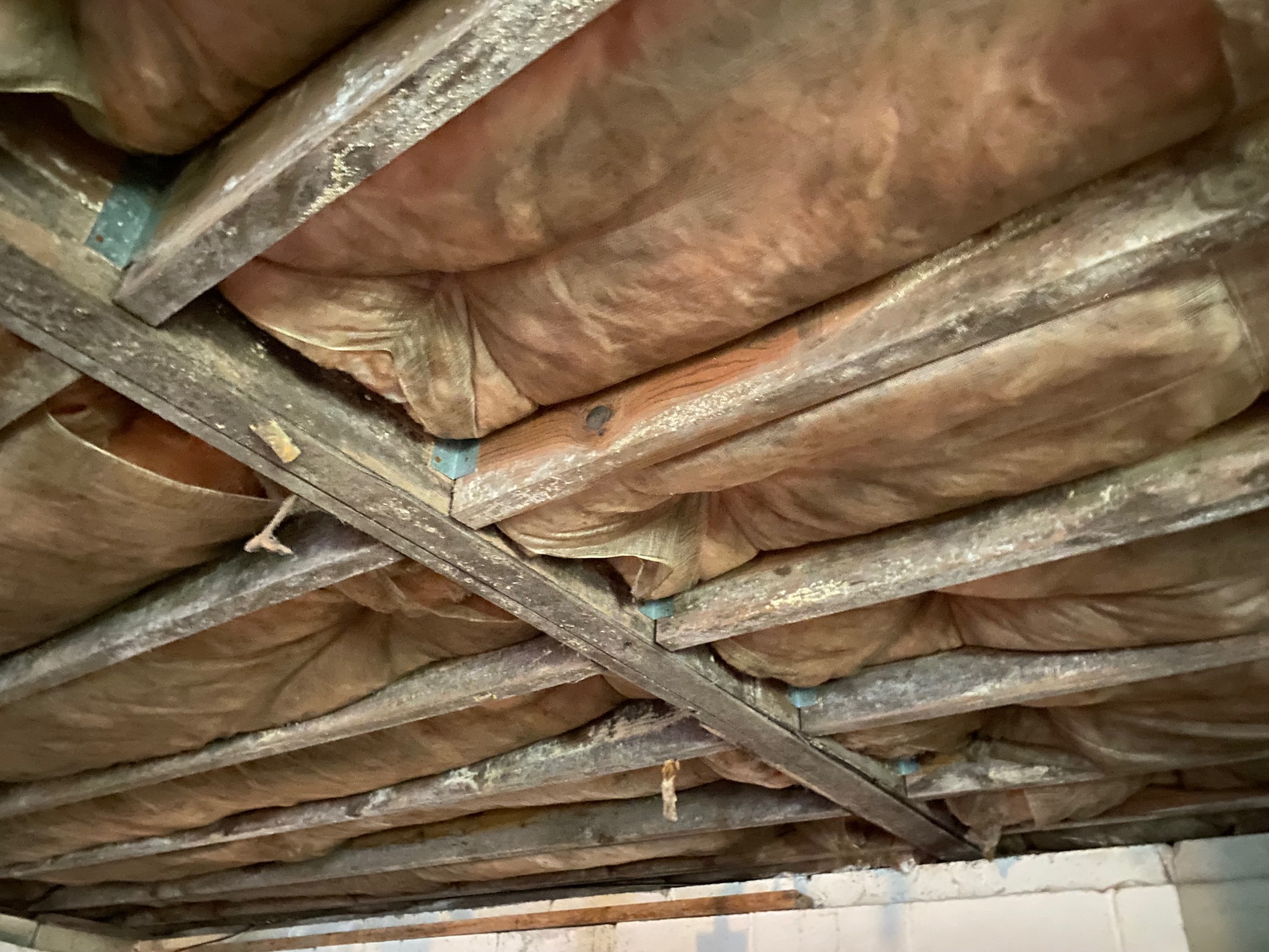
You’ve probably noticed cracks on your walls or doors that won’t close properly – common signs of foundation problems in your home. These issues might seem minor, but they can quickly escalate into serious structural damage if not addressed promptly. From vertical and horizontal cracks to water intrusion and soil erosion, these problems require specific solutions. But how do you effectively address these issues? To understand that, let’s commence a discussion about the seven common foundation problems and their remedies. Tune in, because this is information any homeowner can’t afford to ignore.
Key Takeaways
- Identify the type of cracks in your foundation, such as vertical, horizontal, or diagonal, to assess their severity and determine the appropriate repair methods.
- Address water intrusion issues by fixing leaks, improving drainage, and implementing waterproofing techniques.
- Rectify soil erosion and instability through soil stabilization techniques, like chemical or mechanical stabilization, or installing concrete piles.
- Fix foundation gaps using epoxy or hydraulic cement for smaller gaps, and supports for larger ones, to maintain structural integrity.
- Implement humidity control methods such as using dehumidifiers, vapor barriers, and ventilation improvements to prevent further damage.
Understanding Foundation Cracks
Foundation cracks, those sneaky home invaders, can be more than just an eyesore.
They’re often the first sign of a more serious issue lurking beneath your home. Understanding the different crack types and repair methods is key to dealing with these pesky problems effectively.
Crack types can vary greatly, but they’re generally classified into three categories: vertical, horizontal, and diagonal.
Vertical cracks are often less serious and are usually due to natural settling. Diagonal cracks, on the other hand, suggest differential settling, which is a bit more severe. Horizontal cracks are the most serious of all, indicating significant soil pressure.
Knowing the type of crack you’re dealing with helps you choose the right repair method.
For less severe vertical and diagonal cracks, you might opt for epoxy injections or crack isolation techniques. For more serious horizontal cracks, you’ll likely need to take into account more intensive methods, such as underpinning or piering.
Dealing With Foundation Settling or Sinking
While dealing with foundation cracks is important, it’s equally essential to address the root of the problem: settling or sinking. This issue is often due to soil issues underneath the structure. When the soil can’t support the weight of your home, your foundation may start to sink.
To diagnose this problem, you’ll need a foundation inspection. This is a thorough evaluation of your home’s structure which will help identify if the settling or sinking is normal or if it’s a cause for concern.
It’s important to remember that some degree of settling is normal, but excessive sinking can lead to serious structural problems.
When it comes to fixing this issue, one common method is soil stabilization. This involves injecting a stabilizing compound into the soil beneath your foundation. The compound expands, filling voids and providing support for your home’s foundation.
This can prevent further sinking and help correct any existing problems.
Addressing Upheaval in Foundations
Just as sinking foundations cause headaches for homeowners, so too can foundation upheaval. This problem manifests when your foundation rises, often due to expansive soils beneath your home swelling with moisture. Recognizing the upheaval indicators early on can save you a lot of stress.
Look out for cracks in walls and floors, doors and windows that won’t close properly, or a floor that feels uneven underfoot. These signs could hint at an upheaving foundation. Don’t panic if you spot these tell-tale signs, though. There are upheaval remedies available to help you address the problem.
First, it’s essential to control the moisture levels around your home. This could involve installing a good drainage system or maintaining your existing one to prevent water from accumulating and causing soil expansion.
In addition, consider hiring a professional to inspect your foundation. They might suggest underpinning, a process of strengthening and stabilizing the foundation, as a potential remedy.
Fixing Foundation Floor & Wall Gaps
If you’ve ever noticed gaps in your foundation floor or walls, you’re not alone. This common issue can lead to problems like moisture intrusion, pests, and even structural instability.
But don’t worry, there are reliable floor gap repairs and wall gap solutions that can help.
Here are five steps to address these gaps:
- Identify the problem: Look for gaps in floors and walls. Be thorough, as small gaps can grow over time.
- Determine the cause: Foundation gaps can result from soil movement, poor construction, or water damage. Knowing the cause helps in choosing the right solution.
- Consult a professional: While you can do minor repairs, it’s best to consult a professional for extensive gaps. They can provide the best wall gap solutions and floor gap repairs.
- Repair the gaps: Depending on the damage, this can involve filling the gaps with epoxy or hydraulic cement, or installing supports for larger gaps.
- Prevent future gaps: Regularly inspect your foundation, maintain good drainage, and address any issues promptly.
Managing Foundation Bowing Walls
Bowing walls in your foundation can be a serious issue that calls for immediate attention. You might be wondering, what causes these bowing walls?
Well, the most common bowing wall causes are pressure from soil expansion, tree roots, or heavy rainfall. Over time, this pressure can push against your foundation walls, causing them to bow or bend inward.
Now, let’s talk about bowing wall solutions. The severity of the bowing will determine the best course of action.
For minor bowing, wall braces or carbon fiber straps can be used to stabilize the walls and prevent further bowing. These solutions are typically less invasive and can be installed relatively quickly.
However, if the bowing is severe, you might need to contemplate a more drastic solution like wall anchors or even wall replacement.
Wall anchors involve placing metal rods into the soil outside the foundation, which are then connected to the bowing wall to gradually pull it back into place. Replacing the wall, although a last resort, guarantees that your foundation is secure.
Resolving Foundation Moisture and Dampness
You’ve tackled bowing walls, but what about moisture and dampness in your foundation?
It’s essential to identify these problems early, implement prevention methods, and repair any existing damage.
Let’s unpack these steps and get your foundation dry and sturdy.
Identifying Moisture Problems
Often, the first step in resolving foundation moisture and dampness is identifying the existence of these problems. You may notice a musty odor, mold growth, or damp spots on floors and walls. These signs suggest moisture issues, requiring immediate attention.
To effectively identify moisture problems, you’ll need to take into account several factors:
- Groundwater: If your property is in a low-lying area, this can lead to excess water in the soil, causing dampness.
- Rainwater: Poor drainage solutions can result in water seeping into your foundation.
- Interior Moisture: Leaky pipes or high humidity levels can contribute to moisture buildup.
- Condensation: This can occur on cold surfaces during winter, contributing to dampness.
- Poor Ventilation: Without adequate airflow, moisture can’t evaporate, increasing humidity levels.
After identifying the source, you can then devise a plan to control the humidity and find effective drainage solutions.
Dampness Prevention Methods
So, how can you prevent dampness and resolve foundation moisture issues? It all starts with a well-designed drainage system.
These systems work to redirect water away from your home, preventing it from seeping into your foundation. They’re essential in maintaining a dry, stable foundation and are often the first line of defense against moisture-related problems.
Another effective dampness prevention method is the use of vapor barriers.
These are materials designed to resist the passage of water vapor. They’re typically installed beneath your home’s foundation and can be especially useful in damp climates.
Vapor barriers work by blocking moisture from the ground from reaching your foundation. They’re a relatively low-cost solution that can make a significant difference in preventing foundation moisture.
Repairing Moisture Damage
When your home’s foundation suffers from moisture damage, prompt and effective repair becomes crucial.
You’ll want to address the issue immediately to prevent further harm to your home’s structure. Here’s where the right waterproofing techniques and drainage solutions come into play.
Now, let’s talk about steps you can take:
- Identify the source: Start by figuring out where the moisture is coming from. It could be a leak, poor drainage, or high humidity.
- Apply waterproofing techniques: Use various methods like sealants and waterproofing membranes to protect your home’s foundation against moisture.
- Implement drainage solutions: Guarantee water flows away from your home by installing gutters, downspouts, and proper landscape grading.
- Control humidity: Invest in a dehumidifier to keep moisture levels in check, especially in basements.
- Regular maintenance: Don’t overlook the importance of routine checks and maintenance. They’ll help you catch red flags early.
Comprehensive Solutions for Weak Soil Issues
Dealing with weak soil issues might seem like an insurmountable task, but don’t let it undermine your confidence. There are thorough solutions you can employ to reinforce your foundation and stabilize your soil.
First, let’s explore soil stabilization techniques. These methods aim to increase the bearing capacity of the soil, reducing the risk of structural damage. You could consider chemical stabilization, which involves mixing chemicals into the soil to improve its properties. This method’s effectiveness, however, depends on the soil’s composition.
Alternatively, you could employ mechanical stabilization, where you compact the soil to increase its stability.
Next, let’s investigate foundation reinforcement methods. Reinforcing the foundation provides an additional layer of security, especially if the soil around it’s weak. You can use reinforcements such as concrete piles or steel rods, depending on your foundation type.
Frequently Asked Questions
What Are the Common Signs of Foundation Problems in a House?
You’ll typically notice signs of foundation issues in your house like cracked walls and uneven floors.
Doors might stick or not close properly. There could also be gaps around window frames or doors.
If you see cracks in your exterior bricks or a leaning chimney, these are strong signs too.
It’s best to get these checked out by a professional to prevent further damage.
Repairs can range from simple sealant use to extensive underpinning.
How Often Should I Inspect My Homes Foundation for Issues?
You should conduct foundation inspections at least twice a year.
Seasonal checks are ideal, especially after extreme weather conditions. Look for cracks, water damage, or uneven floors.
Don’t forget to inspect the exterior as well. If you’re uncomfortable doing this yourself, hire a professional.
Regular inspections can help catch problems early, saving you stress and costly repairs down the line.
Can Foundation Problems Lead to Structural Issues in My Home?
Absolutely, foundation problems can indeed lead to structural issues in your home.
When the foundation’s stability is compromised, it can cause walls to crack, doors to stick, and floors to slope.
It’s essential that you’re proactive in spotting these issues early.
Various repair methods, such as underpinning and sealing, can fix these problems.
Don’t hesitate to consult a professional if you’re unsure about the state of your foundation.
Does Home Insurance Typically Cover Foundation Repairs?
Typically, your home insurance may not cover foundation repairs.
It depends on your policy and the cause of damage. If it’s due to natural wear and tear or poor construction, you’re likely out of luck.
However, if a covered peril like a fire or windstorm caused the damage, you might’ve a valid insurance claim.
Always check your policy’s specifics about foundation coverage to avoid any unpleasant surprises.
Is It Safe to Live in a House With Foundation Problems?
Living in a house with foundation problems isn’t always safe.
These issues can affect your home’s structural integrity, posing risks to you and your family. It’s important to address these problems promptly.
If you’re noticing cracks, uneven floors, or doors that won’t close properly, it’s time to get a professional inspection.
Don’t risk your safety by ignoring these signs. Guarantee your living conditions are secure by taking care of your home’s foundation.
Conclusion
To sum up, don’t let foundation problems overwhelm you. With early detection, effective solutions like epoxy injections, French drains, and dehumidifiers can mitigate these issues. Tackle cracks, settling, and upheaval head on. Address floor and wall gaps, manage bowing walls, and resolve moisture problems swiftly. If weak soil is your nemesis, there’s a fix for that too. Remember, your home’s health starts at the foundation, so don’t neglect it. Stay proactive and keep your foundation strong.

Seal-tite Basement Waterproofing Co. is a full service basement environment contractor. We carry an A+ Better Business Bureau rating. We repaired over 40,000 homes and structures in Virginia, West Virginia, Tennessee, and North Carolina. We are fully insured and licensed. We have worked in all types of locations, including residential and commercial locations, government agencies, colleges, hospitals, churches, and condo associations.
Seal-tite® offers a lifetime transferable warranty. We carry a Class A Contractor’s License and we are fully insured. Our satisfied customers range from government agencies to businesses, hospitals, colleges, churches, and thousands of homeowners. Your home is probably the single largest investment you will make in your lifetime. Don’t wait, call Seal-tite® to help make your home dry, safe and livable.

