
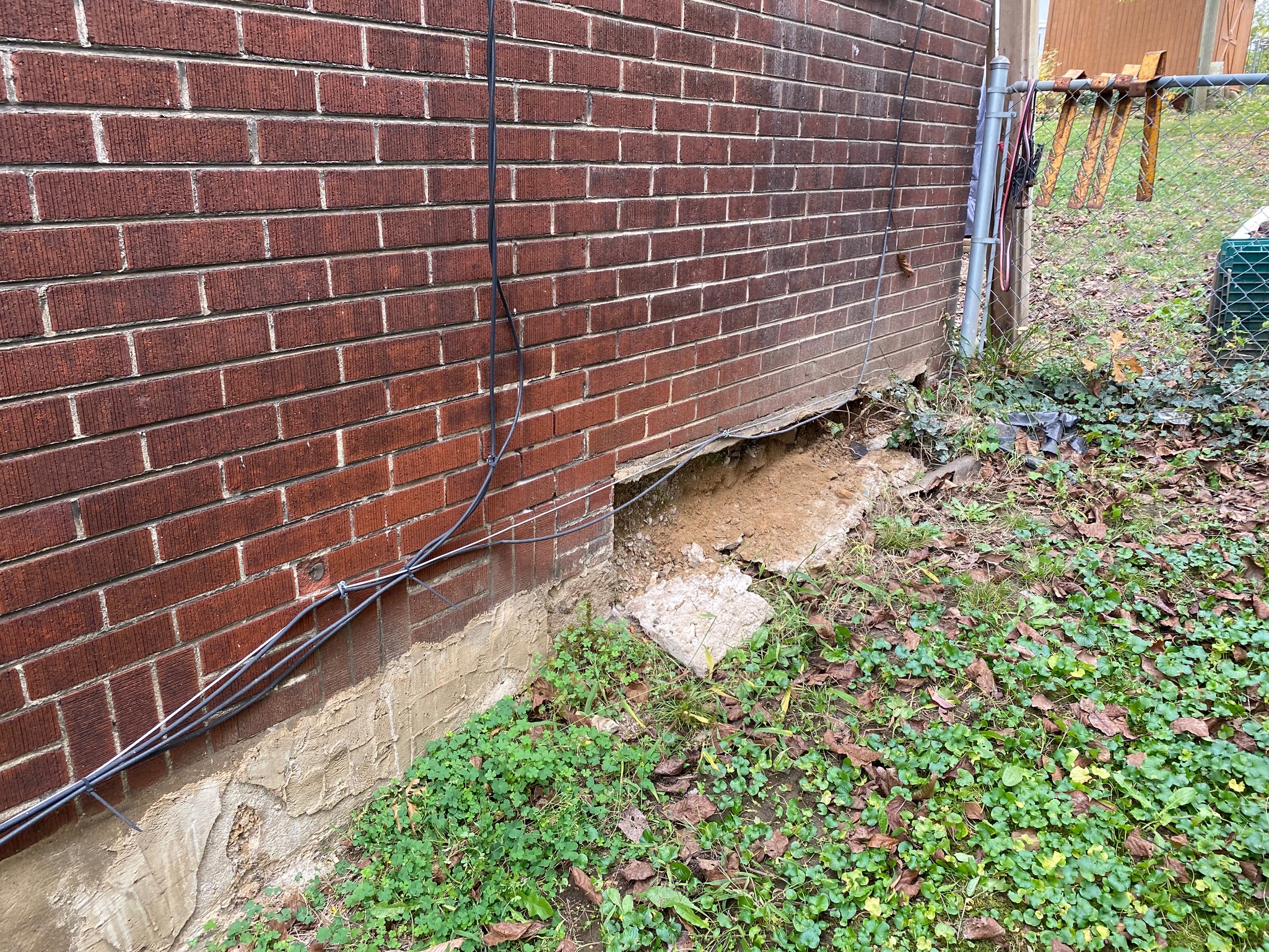
 You’ve invested in exterior waterproofing for your home, expecting it to be the ultimate solution to keep water at bay. But can it really stop all water intrusion? While it’s a strong line of defense against rain and groundwater, other factors like indoor humidity, lack of ventilation, and structural issues could still sneak in some moisture. Don’t you think it’s worth exploring if a combination of measures might offer more complete protection?
Key Takeaways
- Exterior waterproofing can effectively prevent rainwater and groundwater intrusion through surfaces like walls and foundations.
- Despite its effectiveness, exterior waterproofing alone cannot fully control indoor humidity, which can cause moisture buildup.
- A comprehensive approach, combining exterior waterproofing with interior solutions, is needed for optimal water intrusion prevention.
- Regular maintenance of both exterior and interior systems is crucial to ensuring their ongoing effectiveness against water intrusion.
- Implementing proper drainage systems is vital to direct water away from structures, further enhancing the effectiveness of exterior waterproofing.
Understanding Water Intrusion
Water intrusion, an unwelcome guest in any home, is a phenomenon that requires your immediate attention. It’s essential to understand the various water sources that can contribute to this problem. Rainwater, groundwater, and even indoor humidity can all lead to water intrusion if not properly managed.
The first step in controlling water intrusion is identifying the water sources. Rainwater can seep into your home through cracks in your home’s exterior or a leaky roof. Groundwater can infiltrate your basement if your home’s foundation isn’t adequately waterproofed.
Indoor humidity, often overlooked, can also lead to moisture accumulation, especially in poorly ventilated areas.
Moisture control is the key to preventing water intrusion. This includes everything from maintaining your home’s exterior to regulating indoor humidity levels. Properly sealing any cracks, ensuring your gutters and downspouts are working effectively, and installing a dehumidifier in damp areas of your home can all help control moisture levels.
Basics of Exterior Waterproofing
Now, let’s shift your focus to the basics of exterior waterproofing.
You should understand that this process is vital to protect your property from potential water damage.
The benefits of waterproofing, which we’ll explore next, range from structural integrity maintenance to increased property value.
Understanding Exterior Waterproofing
In the realm of home maintenance, a solid understanding of exterior waterproofing is crucial. This process, designed to prevent water penetration into your home, employs specific waterproofing techniques and the installation of moisture barriers.
The first step in exterior waterproofing involves identifying the source of the water intrusion. This can be surface water runoff, groundwater, or even condensation. Once the source is identified, the appropriate waterproofing technique is determined. Techniques range from the application of waterproofing coatings and membranes to the installation of drainage systems.
One of the most critical components of any exterior waterproofing system is a moisture barrier. These barriers, whether installed on your home’s exterior walls, foundation, or roof, play an integral role in preventing water from penetrating your home.
They’re designed to repel water while allowing moisture to evaporate, effectively reducing the chances of water damage.
Understanding these aspects of exterior waterproofing isn’t just beneficial, it’s essential. With this knowledge, you’ll be better equipped to take the necessary precautions to protect your home against water intrusion, providing a safe, dry living environment for you and your family.
Benefits of Waterproofing
Having grasped the basics of exterior waterproofing, it’s equally important to consider its benefits. Contrary to some waterproofing myths, this process isn’t just about keeping your basement dry, although that’s certainly a significant advantage.
Waterproofing can also increase your property’s value and save you money in the long run.
Let’s delve into the most effective techniques for exterior waterproofing. They provide a robust barrier against moisture, reducing the risk of structural damage from water intrusion. This means you won’t have to shell out for costly repairs down the line.
Your home’s foundation will remain solid and resistant to the damaging effects of water, ensuring your property retains its value.
Additionally, a waterproofed exterior can improve your home’s overall health. By preventing water intrusion, you’ll reduce the risk of mold and mildew growth.
These conditions can negatively affect indoor air quality, posing potential health risks to you and your family.
Types of Exterior Waterproofing Methods
Understanding the different types of exterior waterproofing methods can safeguard your property from potential water damage. Let’s delve into some of these techniques.
Spray coatings and membrane systems are typically used for foundation barriers. These materials are applied directly onto the surface of your property, providing an impermeable layer against water intrusion.
Drainage boards, on the other hand, are another effective method. They’re installed around the foundation to channel water away, reducing the risk of seepage.
Sealing joints is another crucial step in the process. By filling in gaps, you’re eliminating potential entry points for water.
Excavation techniques are commonly employed in the installation of these waterproofing methods. They involve digging around the property to access the foundation for better application of the waterproofing materials.
Landscaping considerations and soil grading also play a crucial role. They help direct water away from your property, further enhancing the effectiveness of your waterproofing measures.
Sump pumps can be installed to remove water that has accumulated, providing an additional layer of protection.
Lastly, the use of insulation materials adds a layer of thermal protection while also aiding in keeping water at bay.
Pros and Cons of Exterior Waterproofing
As you consider exterior waterproofing for your property, it’s important to weigh the benefits against the drawbacks.
Understanding the advantages, such as protection against water damage and increased property value, can help you see why many choose this option.
However, considering the possible disadvantages, including the cost and complexity of installation, will ensure you make an informed decision.
Benefits of Exterior Waterproofing
Despite the potential challenges, exterior waterproofing plays a critical role in maintaining the structural integrity of your property. It’s not only about keeping your basement dry; it’s also about preserving your home’s foundation. When done correctly, exterior waterproofing can provide an impenetrable barrier against water intrusion, safeguarding your property from potential damage.
Cost considerations are an essential part of any home improvement project, and exterior waterproofing is no exception. While the upfront expenses can seem daunting, the long-term benefits often outweigh the initial investment. By preventing water damage, you’re avoiding costly repairs down the line, ultimately saving you money in the long run.
The effectiveness of exterior waterproofing largely relies on the installation techniques used. It’s important to choose a reputable contractor who uses high-quality materials and advanced methods to ensure optimal performance.
With proper installation, exterior waterproofing can offer an effective solution to prevent water from seeping into your home.
To sum it up, exterior waterproofing is a worthwhile investment. It not only protects your property but also provides peace of mind, knowing that your home is defended against potential water damage.
Drawbacks of Exterior Waterproofing
While exterior waterproofing undoubtedly holds significant advantages, it’s not without its drawbacks. One of the primary challenges you’re likely to encounter is cost considerations.
Exterior waterproofing is generally more expensive than other waterproofing techniques due to the materials used and the labor-intensive nature of the process. You’ll need to weigh these costs against the potential benefits to determine if it’s the right solution for your property.
Installation challenges also present a significant hurdle. Exterior waterproofing typically involves excavating around the foundation of your property, which can be disruptive and time-consuming.
If your property is closely situated to others, or if there are other structures or landscaping features present, this can add additional complexity to the project.
There’s also the risk of unforeseen complications. For example, if the foundation of your property is found to be unstable during the excavation process, this could lead to further costs and delays.
While exterior waterproofing can provide a robust solution to water intrusion, it’s imperative to understand these potential drawbacks before making a decision.
Knowledge is power, and with a clear understanding of the pros and cons, you’ll be better equipped to make the right choice for your property.
Comparing Waterproofing Techniques
You might be weighing up the different waterproofing techniques available, and it’s crucial to consider the pros and cons of each before making a decision.
Exterior waterproofing, for instance, provides an effective moisture barrier preventing water intrusion. However, it can involve significant landscaping considerations due to the need for excavation around the foundation.
On the other hand, interior waterproofing solutions, which typically involve applying sealants, can be less intrusive but may not address the root cause of the water intrusion. This technique is most effective when used in combination with other drainage solutions that manage the flow of water around your property.
Foundation repairs are often necessary in conjunction with exterior waterproofing. This ensures that any existing damage doesn’t compromise the effectiveness of the waterproofing.
While it’s an additional cost, it’s worth noting that foundation repairs can prevent more serious problems down the line.
The Role of Drainage Systems
In any structure, drainage systems play a pivotal role in exterior waterproofing and managing water intrusion. Think about it, if your drainage design is flawed or your property doesn’t have effective grading, you’re setting yourself up for a host of water-related issues.
Let’s delve a bit deeper into the importance of drainage systems in exterior waterproofing:
- Proper Drainage Design: A good drainage system begins with a sound design. It ensures water flows away from your structure, preventing accumulation and potential damage.
- Effective Grading: This refers to the slope of your land. Proper grading directs water towards your drainage system where it can be safely diverted away from your property.
- Maintenance: Even the best drainage systems need regular maintenance. Without it, systems can become clogged or damaged, leading to ineffective water management.
In the end, the role of drainage systems in exterior waterproofing can’t be overstated. It’s a critical component that, when properly designed, graded, and maintained, will protect your property against water intrusion.
The Importance of Quality Materials
Shifting our focus from drainage systems, let’s take a closer look at the materials used for exterior waterproofing. It’s not just the planning and execution that matter, but the quality of the materials used can make a substantial impact on your waterproofing solution.
Material durability is paramount. You wouldn’t want to invest in a solution that crumbles within months, would you? High-quality materials can withstand the brunt of harsh weather conditions, resisting deterioration significantly longer than their inferior counterparts. This gives you peace of mind knowing your property is protected long-term.
Equally important are the installation techniques. Superior materials mean little if improperly installed. You need experienced professionals who understand the intricacies of materials and their applications.
They’ll ensure materials adhere properly, sealants are applied evenly, and all potential entry points for water are addressed. This attention to detail is essential to safeguarding your property against water intrusion.
Case Study: Exterior Waterproofing Success
Drawing from a real-world example demonstrates the effectiveness of exterior waterproofing done right. Consider the case of a homeowner in Seattle, where heavy rainfall is a common occurrence.
Initially, the homeowner faced constant water intrusion issues, primarily due to poor moisture management. The dampness not only affected the comfort and health of the living space but also threatened the foundation protection of the property.
The homeowner decided to invest in exterior waterproofing. A professional service was hired that performed a thorough evaluation and implemented a comprehensive waterproofing plan. The result was a drastic improvement in the home’s moisture management, preserving the structural integrity of the home’s foundation.
Let’s break down this success into three key steps:
- Identifying the problem: The homeowner recognized the recurring dampness issue and its potential threat to the foundation.
- Choosing the right solution: Instead of opting for a short-term fix, the homeowner decided to invest in complete exterior waterproofing.
- Hiring professionals: A reputable waterproofing service was employed, ensuring high-quality work and effective moisture management.
This case study illustrates how exterior waterproofing, when done correctly, can successfully halt water intrusion, safeguarding your property’s foundation and enhancing your living comfort.
When Exterior Waterproofing Fails
Even with the best intentions, exterior waterproofing can sometimes fail.
It’s important to understand the root causes of these failures and how they might lead to unwanted water intrusion.
In the upcoming sections, we’ll explore these issues in detail and provide you with practical solutions to prevent and address them.
Causes of Waterproofing Failure
Waterproofing failure, specifically in the exterior of buildings, can be traced back to a variety of causes.
It’s important to understand these causes to prevent further water intrusion and protect your property’s structural integrity.
- Poor Installation and Design Flaws: If your waterproofing was poorly installed, it’s likely to fail.
Design flaws, including improper drainage systems, can also contribute to failure.
It’s crucial that your waterproofing is designed and installed by professionals who understand the complexities of water management.
- Material Degradation and Maintenance Neglect: Over time, materials can degrade due to environmental factors like sunlight, temperature changes, and excessive moisture.
If you’re neglecting regular maintenance, this degradation can accelerate, leading to waterproofing failure.
- Structural Issues: Structural problems like cracks or shifts in your building can compromise your waterproofing.
These issues might be due to environmental factors, poor construction, or simply the age of your building.
Solutions for Water Intrusion
When exterior waterproofing measures fail, turning a blind eye to water intrusion isn’t an option. You must act swiftly to prevent further damage. Thankfully, there are various solutions you can apply to this issue.
First, consider drainage solutions. Properly installed and maintained gutter systems can guide rainwater away from your structure, reducing the risk of water intrusion. Similarly, sump pumps in your basement can help by removing excess water during heavy downpours.
Moisture barriers are another crucial measure. These are often applied on the interior side of the foundation, offering an additional layer of protection if exterior waterproofing fails.
Foundation sealing is also essential; it prevents water from seeping into your basement through cracks and crevices.
Don’t forget about landscape and soil grading. When done correctly, grading can help direct water away from your structure, reducing the chances of water intrusion.
It’s also essential to repair any visible cracks in your foundation promptly. Crack repairs are a cost-effective way to prevent water intrusion and potential damage to your property.
Complementary Water Intrusion Solutions
In the world of exterior waterproofing, it’s crucial not to overlook the role of complementary water intrusion solutions.
While exterior waterproofing is a vital step, it’s not the be-all and end-all of moisture control. To ensure comprehensive protection against water intrusion, you need to incorporate other solutions into your strategy as well.
- Drainage Solutions & Landscape Grading: Proper soil drainage is essential in preventing water buildup around your foundation. Combine this with landscape grading to direct water away from your home.
- Foundation Sealing & Sump Pumps: An additional line of defense is sealing your foundation and installing sump pumps. These not only keep water out but also help to remove any water that does get in.
- Interior Waterproofing & Vapor Barriers: Lastly, interior waterproofing and vapor barriers provide an extra layer of protection. They help control moisture levels inside your home, preventing dampness and mold growth.
Regular Maintenance and Inspection Tips
Regular upkeep of your home’s exterior waterproofing system is akin to a knight polishing his armor – both serve to protect against unwanted intruders.
It’s not a set-and-forget solution. Like any other home system, it requires routine checks to ensure its optimal performance.
To keep your home’s defenses strong, conduct seasonal assessments, particularly before periods of heavy rainfall.
These checks help identify any potential weak points before they become a significant issue. Inspect the walls for cracks or signs of water damage. Look for any standing water or dampness in the yard that could indicate a failure in the system.
Keep your gutters and downspouts clean and free from debris. This will allow water to flow freely away from your house, instead of pooling near the foundation where it could seep into your home.
Frequently Asked Questions
What Is the Average Cost of Exterior Waterproofing a Residential Property?
The cost of exterior waterproofing your residential property can vary greatly.
It’s influenced by cost factors like the size of your home, its location, and the waterproofing materials used. Typically, it ranges from $5,000 to $15,000.
High-end materials or complex jobs can raise the price.
Can Exterior Waterproofing Positively Impact My Homes Resale Value?
Absolutely, exterior waterproofing can boost your home’s resale value.
It not only protects your property from potential water damage but also improves its market appeal.
Buyers appreciate homes that are well-maintained and safe from elements like moisture.
So, if you’ve waterproofed your home’s exterior, you’re likely to see a positive impact when you decide to sell.
It’s an investment that can offer you significant returns in the future.
What Are the Signs That My Home Needs Exterior Waterproofing?
You’ll know your home needs exterior waterproofing if you’re spotting signs of water damage.
If you’ve got foundation issues, mold growth, basement leaks, or drainage problems, it’s time to take action. Persistent dampness can cause soil erosion around your home’s foundation.
Don’t ignore these warning signs. Addressing them early can prevent more extensive damage down the line.
Can I Perform Exterior Waterproofing on My Own or Should I Hire Professionals?
While DIY techniques may seem cost-effective, you’re better off hiring professionals for exterior waterproofing.
They’ve got the training, tools, and experience you don’t. Sure, you could try it, but you might miss crucial areas or do it wrong, leading to more problems later.
Hiring professionals ensures the job’s done right the first time, saving you time, money, and stress.
How Long Does Exterior Waterproofing Typically Last Before Needing Reapplication?
Exterior waterproofing’s longevity depends on several factors like quality of materials and application technique.
Typically, you can expect it to last 10-20 years. However, it’s not a set-it-and-forget-it solution.
Regular maintenance is required to ensure its effectiveness. You’ll need to inspect for cracks or damage, and reapply as needed.
Conclusion
So, while exterior waterproofing helps keep water at bay, it’s not a silver bullet. You’ll also need to consider indoor humidity, proper ventilation, and potential structural issues. Don’t overlook the importance of drainage systems, interior waterproofing measures, and regular maintenance. Remember, the goal is to manage moisture levels effectively and protect your property from water damage. It’s a comprehensive approach that’ll serve you well in the long run.

Seal-tite Basement Waterproofing Co. is a full service basement environment contractor. We carry an A+ Better Business Bureau rating. We repaired over 40,000 homes and structures in Virginia, West Virginia, Tennessee, and North Carolina. We are fully insured and licensed. We have worked in all types of locations, including residential and commercial locations, government agencies, colleges, hospitals, churches, and condo associations.
Seal-tite® offers a lifetime transferable warranty. We carry a Class A Contractor’s License and we are fully insured. Our satisfied customers range from government agencies to businesses, hospitals, colleges, churches, and thousands of homeowners. Your home is probably the single largest investment you will make in your lifetime. Don’t wait, call Seal-tite® to help make your home dry, safe and livable.

