
When you’re waterproofing your crawl space, it’s easy to make mistakes. Maybe you’ve overlooked the importance of yard grading, or you’ve chosen the wrong waterproofing product. Perhaps you don’t check for structural damage as often as you should, or you underestimate the role of proper ventilation. These are common pitfalls, and they can lead to costly repairs. But don’t worry, you’re not alone in this journey. Let’s explore these mistakes a bit more, shall we?
Key Takeaways
- DIYers often overlook proper drainage, leading to pooling water and potential damage.
- Inappropriate waterproofing products, chosen without understanding their specific applications, can be ineffective in moisture control.
- Failure to identify and address early signs of structural damage can lead to further deterioration.
- Skipping professional inspections and maintenance can miss hidden issues, escalating minor problems into major ones.
- Lack of proper knowledge about waterproofing techniques and environmental factors can result in poor waterproofing efforts.
Ignoring Proper Drainage
One significant mistake DIY enthusiasts often make when waterproofing their crawl spaces is ignoring proper drainage. It’s not just about applying a waterproofing compound and calling it a day. No, effective waterproofing starts with good drainage.
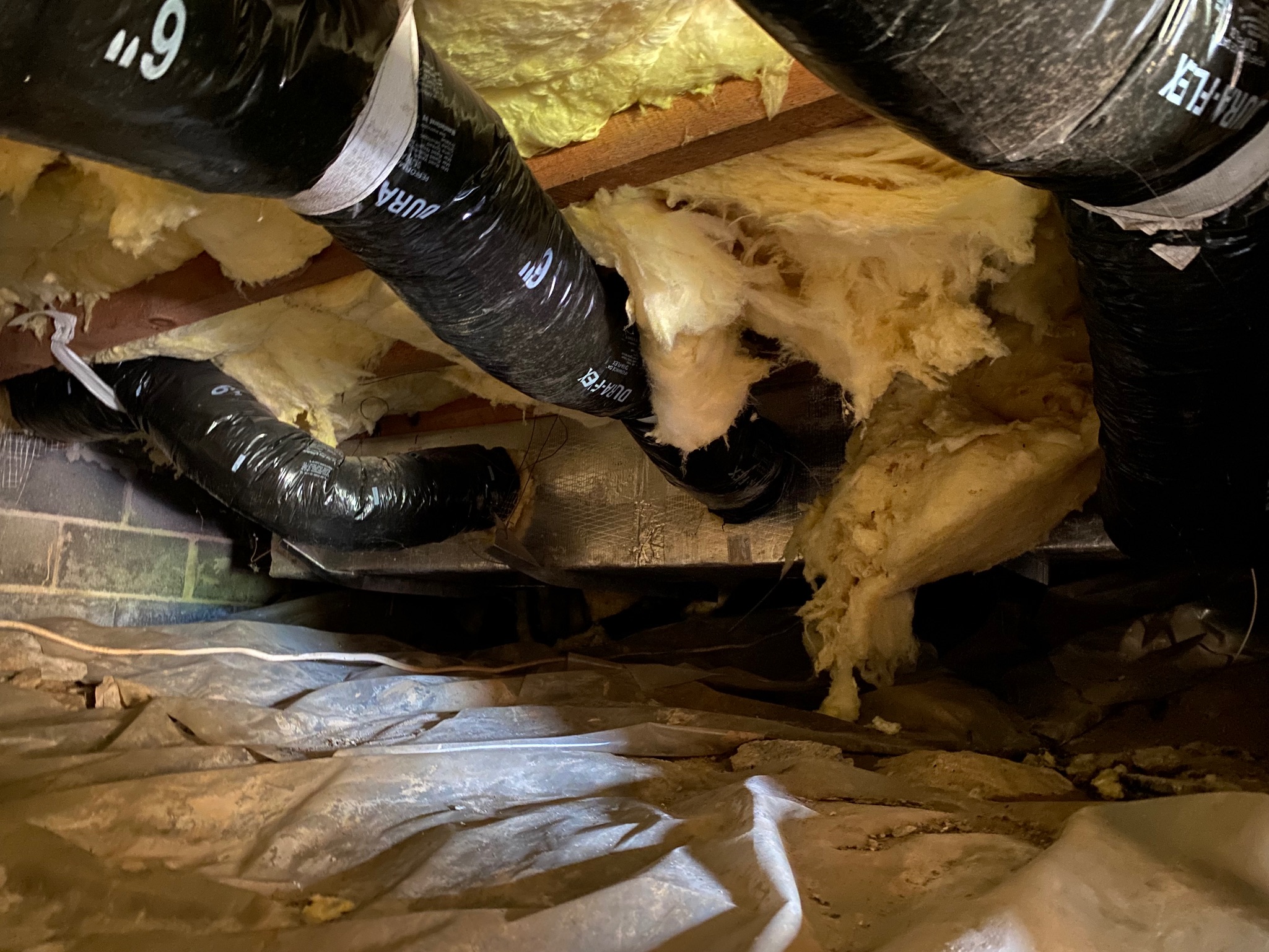
You might’ve the most waterproof material on your walls, but without a solid drainage system, water can still pool, causing dampness, mold growth, and structural damage. Remember, stagnant water doesn’t just disappear; it needs a place to go.
So, where do you start? First, it’s about grading. Your yard should slope away from your house, not towards it, to keep rainwater from pooling around your foundation. You’ve got to guarantee water flows away from your home, not into it.
Next, consider installing a sump pump if you don’t already have one. This nifty device collects excess water in a pit (the sump) and pumps it away from your house. It’s a crucial part of any crawl space waterproofing project.
Don’t underestimate the power of good drainage. It’s the initial line of defense against water damage, and without it, your waterproofing efforts could be wasted.
Selecting Inappropriate Waterproofing Products
You might think all waterproofing products are created equal, but that’s not the case.
The type of waterproofing material you choose can make or break your project. Choose incorrectly, and you’ll face the consequences of a poorly protected crawl space.
Understanding Waterproofing Material Types
Diving headfirst into a crawl space waterproofing project without understanding the different types of materials can lead to costly mistakes.
It’s vital you know the various waterproofing materials available and their suited applications.
Firstly, let’s discuss liquid waterproofing membranes. They’re easy to apply, versatile and dry to form a seamless, flexible coating.
However, they require skill to apply correctly, and aren’t the best choice for every situation.
Sheet membranes are another option. They’re robust, offering excellent waterproofing, but can be challenging to install correctly.
You’ll need to guarantee there aren’t any gaps or wrinkles which can compromise the waterproofing.
Cementitious waterproofing is a popular choice for DIY enthusiasts. It’s easy to mix and apply, and can be used internally or externally.
It’s not suitable for areas with high water pressure, though.
Finally, we’ve bentonite waterproofing. This natural clay expands when wet, sealing any gaps.
It’s great for areas with high water pressure, but can be costly and tricky to install.
Choosing Correct Waterproofing Products
It’s crucial to your project’s success that the correct waterproofing product is chosen. Don’t make the common mistake of choosing a one-size-fits-all solution.
Remember, not all waterproofing products are created equal, and it’s important to choose one designed specifically for crawl spaces.
Your selection should ideally be based on the specific conditions and requirements of your crawl space. Is it damp year-round or only during certain seasons? Do you deal with flooding or just minor water seepage? Your answers will determine the type of product you need.
Be wary of cheap, low-quality products. They might save you money upfront, but they won’t last long and can compromise the integrity of your crawl space.
Instead, opt for high-quality waterproofing products that offer long-term protection.
Moreover, consider products that are eco-friendly and safe for your family. Some waterproofing products contain harmful chemicals that can cause health issues if inhaled or ingested.
Lastly, don’t forget to check product reviews and ratings. They can give you insights about the product’s performance and reliability.
Consequences of Poor Selection
Skimping on the right waterproofing products can lead to a host of problems down the line. You might think you’re saving a few bucks now, but it’ll cost you later when water seeps into your crawl space, damaging your home’s foundation.
Selecting inappropriate waterproofing products often results in ineffective moisture control. It’s like trying to hold back a flood with a sieve; you’re not stopping the problem, just delaying it.
Over time, excess moisture can lead to mold growth, which poses significant health risks for you and your family. You could be breathing in harmful spores without even realizing it.
Furthermore, poor product selection can contribute to structural damage. Water is a relentless force that can erode your home’s foundation, leading to costly repairs down the road.
Plus, a damp, moldy crawl space isn’t just an eyesore—it can also lower your property value should you decide to sell your home.
Neglecting Structural Integrity
Don’t overlook the importance of your home’s structural integrity when waterproofing your crawl space.
Even minor structural damage can undermine your efforts and lead to costly repairs down the line.
It’s wise to get a professional inspection before you start, as neglecting this step can have serious consequences.
Recognizing Structural Damage
Overlooking the structural integrity of your crawl space can lead to serious damage. It’s essential that you’re aware of the tell-tale signs of potential issues. Recognizing structural damage early allows you to take swift action, preventing further deterioration and saving you considerable time, effort, and money.
You might wonder, “What should I be looking out for?” Here’s a handy table to help you identify key indicators of structural damage:
| Signs of Damage | Possible Implications |
|---|---|
| Cracked or bowing walls | Foundation movement or water pressure |
| Sloping floors | Settling or shifting foundation |
| Doors or windows sticking | Distorted frames due to foundation shifts |
| Dampness or mold growth | Water leakage or poor ventilation |
| Unusual odors | Possible mold, mildew or rot |
Always remember, if you spot any of these signs, it’s imperative to take immediate action. Don’t ignore them, hoping they’ll go away. They won’t. Structural damage only worsens over time if left unaddressed. You don’t want to compromise the safety and integrity of your home. After all, your home’s durability relies heavily on the condition of your crawl space.
Importance of Professional Inspection
While it’s good to stay vigilant for signs of structural damage in your crawl space, there’s a limit to what the untrained eye can detect. This is where the importance of professional inspection comes into play. It’s not just about finding cracks on the wall or spots of mildew; it’s about understanding the whole picture.
A professional inspector will be able to identify problems you might’ve missed, like wood rot, hidden leaks or mold growth.
When you’re tackling a DIY crawl space waterproofing project, you’re likely focused on getting the job done. That tunnel vision can leave you blind to other potential issues.
An inspector, on the other hand, isn’t invested in the project the same way you are. They’re objective, thorough, and trained to spot trouble. They’ll take into account factors like your home’s age, materials, and location, and use specialized equipment to detect hidden problems.
Consequences of Negligence
Neglecting the structural integrity of your crawl space can lead to grave consequences. It’s not just about the potential for water damage; it’s also about the stability of your home. Without proper waterproofing, your home’s foundation could weaken over time, leading to serious structural issues.
| Consequence | Description |
|---|---|
| Water Damage | Without proper waterproofing, water can seep into your crawl space causing damage to wooden beams and insulation. |
| Mold Growth | Wet, damp environments are perfect for mold growth. This can lead to health issues for your family. |
| Weakened Foundation | Constant water ingress can weaken your home’s foundation, leading to serious structural issues. |
| Increased Repair Costs | Neglecting the issue will only make it worse. The cost to repair structural damage can be considerably higher than preventative measures. |
Lack of Proper Ventilation
Ignoring proper ventilation in your crawl space is like inviting water damage and mold growth. You might think you’re saving time and money by skipping this step, but in the long run, you’re setting yourself up for costly repairs.
When it comes to crawl space ventilation, you need to take into account three main factors:
- Adequate Airflow: Your crawl space needs enough vents to allow for proper air circulation. Without it, stagnant air can lead to increased humidity, and eventually, mold growth.
- Correct Vent Placement: It’s not just about having vents, it’s about where they’re placed. Vents should be strategically located to maximize airflow and minimize moisture buildup.
- Seasonal Adjustments: Depending on your local climate, you might need to close off vents during colder months to prevent pipes from freezing.
Lack of proper ventilation is a common mistake in DIY crawl space waterproofing. You mightn’t see the effects immediately, but over time, poor ventilation can lead to a host of problems, including structural damage and health issues from mold exposure.
Don’t underestimate the importance of this step. Confirm your crawl space is properly ventilated to protect your home and your health.
Misjudging the Moisture Level
Shifting gears from ventilation, let’s now address another common stumbling point in DIY crawl space waterproofing – misjudging the moisture level. You may think your crawl space is dry enough but remember, looks can be deceiving.
Often, you overlook the moisture level, underestimating the impact it can have on your waterproofing efforts. You may not see water pooling, but that doesn’t mean your crawl space is appropriately dry. High humidity or unseen moisture in your crawl space can lead to mildew and mold growth, damaging your home and affecting your health.
Investing in a quality hygrometer can help you monitor the humidity levels accurately. It’s a common mistake to rely on your senses alone. You’re not a human hygrometer, are you? So, don’t make guesses.
Also, don’t forget to check for unseen sources of moisture. It could be a leak from your plumbing or even from outside your home. You’re not just waterproofing against groundwater. Rainwater runoff, condensation, and even high humidity can contribute to a damp crawl space.
Understanding and correctly judging the moisture level in your crawl space is essential. It’s not just about waterproofing. It’s about creating a healthier, safer home. So, take the time to get it right.
Skipping Regular Maintenance
Overlooking routine maintenance is the next pitfall on our DIY crawl space waterproofing journey. You might think that once you’ve waterproofed your crawl space, you’re done. But that’s not the case.
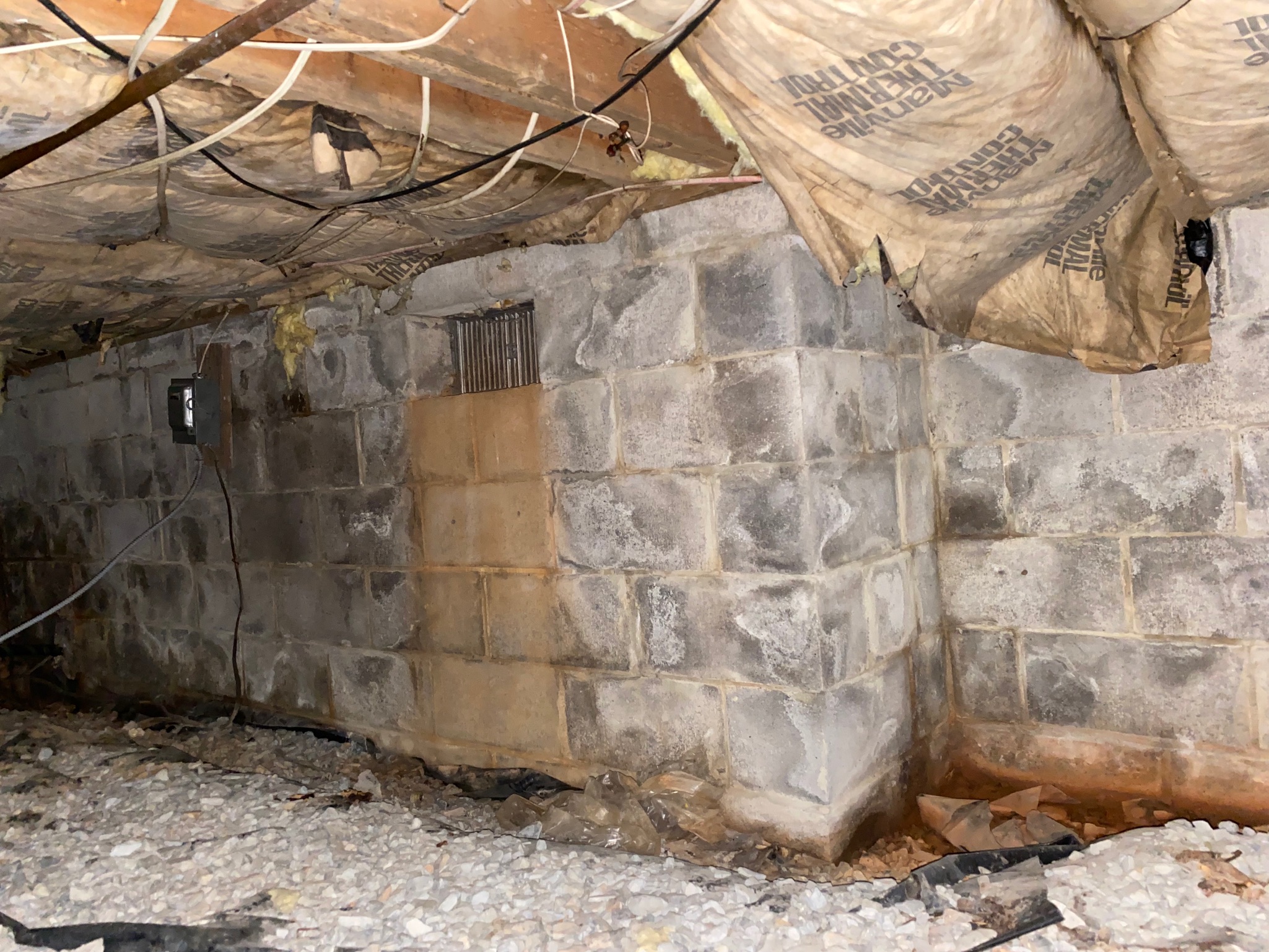
Regular maintenance is essential to the long-term effectiveness of your waterproofing efforts.
Here’s why:
- Preventing Future Damage: Even the best waterproofing methods can’t completely shield your crawl space from damage. Regular check-ups help you spot minor issues before they turn into major problems.
- Ensuring Continuous Protection: Waterproofing materials can degrade over time. Regular inspections allow you to repair or replace them as needed, ensuring your crawl space remains protected.
- Saving Money: Maintenance might appear like an unnecessary expense, but it’s far cheaper than dealing with structural damage or mold remediation caused by a neglected, damp crawl space.
You’ve put in the work to waterproof your crawl space. Don’t let it go to waste by skipping maintenance.
Make it a habit to inspect your crawl space at least twice a year, ideally in spring and fall. With regular maintenance, you’ll maximize the lifespan and effectiveness of your DIY crawl space waterproofing.
So, you’ve made the leap into DIY crawl space waterproofing. But remember, don’t ignore proper drainage or choose the wrong waterproofing products. Overlooked structural issues and improper ventilation can cause big problems. Don’t underestimate moisture levels and make sure you’re maintaining your space regularly. Steering clear of these common mistakes can save you a bundle in costly repairs. Make your crawl space a priority, and you’ll reap the benefits in the long run.

Seal-tite Basement Waterproofing Co. is a full service basement environment contractor. We carry an A+ Better Business Bureau rating. We repaired over 40,000 homes and structures in Virginia, West Virginia, Tennessee, and North Carolina. We are fully insured and licensed. We have worked in all types of locations, including residential and commercial locations, government agencies, colleges, hospitals, churches, and condo associations.
Seal-tite® offers a lifetime transferable warranty. We carry a Class A Contractor’s License and we are fully insured. Our satisfied customers range from government agencies to businesses, hospitals, colleges, churches, and thousands of homeowners. Your home is probably the single largest investment you will make in your lifetime. Don’t wait, call Seal-tite® to help make your home dry, safe and livable.

