
Key Takeaways
- Look for signs like discoloration, mold growth, spongy texture, peeling paint, and musty odors on basement walls indicating moisture damage.
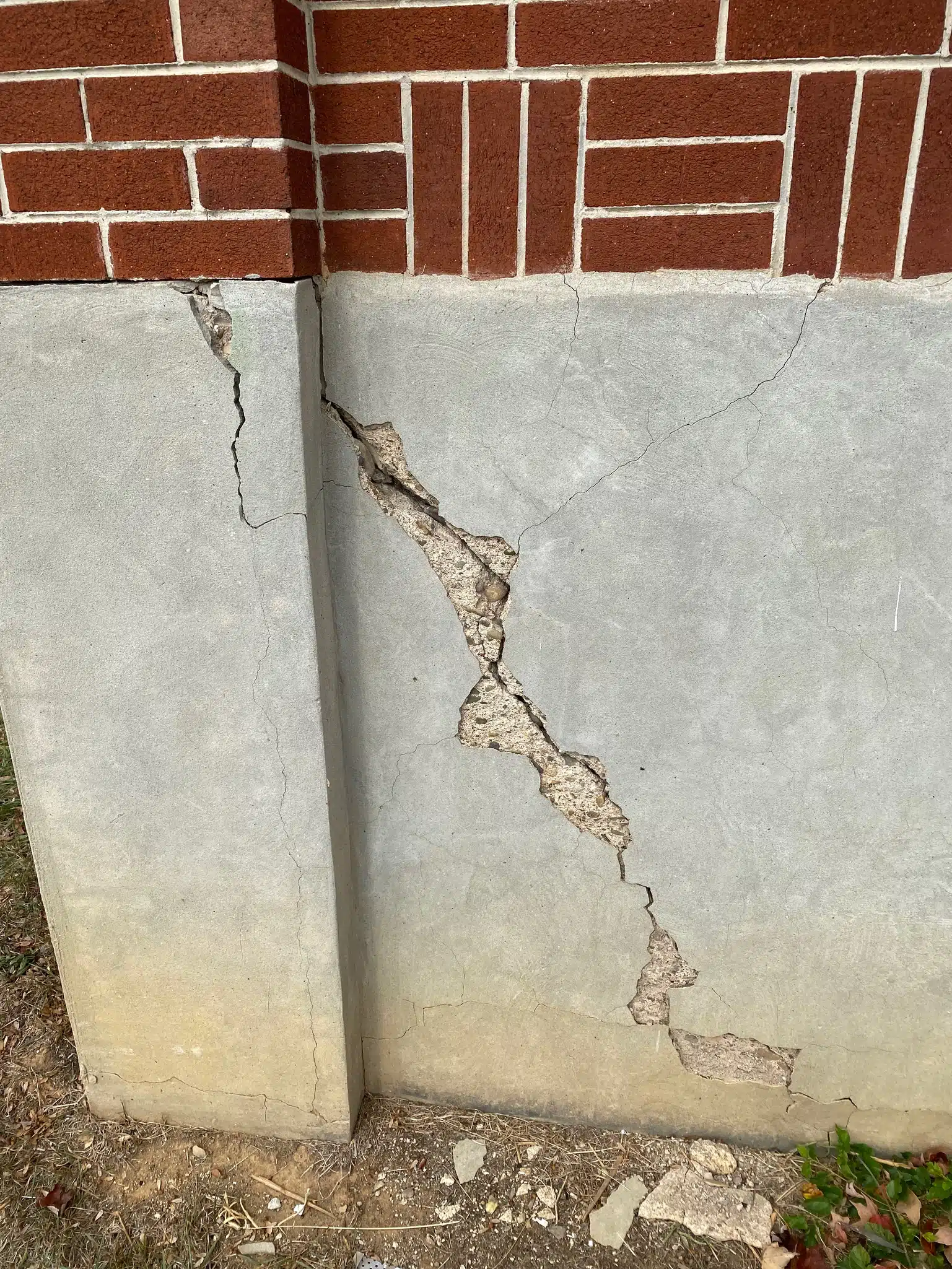
- Inspect for foundation cracks and faulty plumbing which can allow water seepage into the basement.
- Utilize tools like moisture meters and thermal imaging to accurately gauge moisture levels and detect temperature differences indicating moisture presence.
- Consider external factors like poor grading, malfunctioning downspouts, high rainfall, and soil type which contribute to basement moisture.
- Seek professional evaluation for accurate diagnosis and to assess the need for moisture barriers or drainage solutions.
Understanding Basement Moisture Issues
The problem of moisture in basements isn’t a rarity. You’re likely to face it if proper precautions aren’t in place. Understanding the issue demands an analytical, detailed, and technical approach.
Water can infiltrate your basement in multiple ways. It’s paramount to recognize the source to implement effective humidity control and drainage solutions. You see, poor grading around your home can lead to water seeping into the foundation.
Similarly, malfunctioning downspouts and gutters can dump water near your home’s foundation, causing seepage. Moreover, hydrostatic pressure, which is the pressure exerted by a fluid due to gravity, can force water into your basement.
If your basement is below the water table level, hydrostatic pressure might be your culprit. Humidity control within the basement is also vital. High humidity can lead to condensation on the walls and floor.
If you’re noticing an unusual dampness, investing in a dehumidifier might be your first step. Drainage solutions are equally critical. Installing a sump pump or French drains can help divert water away from the foundation.
Identifying Wet Wall Symptoms
Now, let’s shift your focus to identifying wet wall symptoms in your basement.
The first step is to recognize the signs of moisture damage, which might include discoloration, peeling paint, or a musty odor.
After that, it’s essential to pinpoint the locations of water infiltration to understand the severity of the issue and devise an appropriate solution.
Signs of Moisture Damage
Peeking into your basement, you might notice subtle signs indicating moisture damage on your walls. It’s crucial to identify these symptoms early as they can lead to significant issues affecting your home’s structural integrity.
Firstly, you’ll want to look out for discoloration. Water typically leaves behind yellow or brown stains as it seeps into wall materials. This staining often presents in a blotchy pattern, and if you’re seeing it, it’s a clear sign that moisture is penetrating your basement walls.
Next, look for signs of mold growth. Mold thrives in damp environments and its presence is a surefire sign of persistent moisture issues. It usually appears as black, green, or white spots on the wall surface. Ignoring this can lead to health issues for you and your family, so it’s essential to act swiftly.
Finally, be aware of any changes to your wall’s texture. If the wall feels soft or spongy, it’s likely that water has been saturating the material, compromising its structural integrity. This moisture can cause the wall to buckle or warp, posing further risks to your home’s stability.
Understanding these signs is the first step in diagnosing and addressing your wet basement issue.
Locating Water Infiltration
Diving into the task of locating water infiltration, you’ll need to understand specific symptoms of a wet wall. Start by looking out for discoloration, a common sign of moisture intrusion.
You’ll also notice a musty odor indicative of mold growth, which thrives in damp environments. Peeling paint or wallpaper is another clue, suggesting that water is seeping into your walls from underground water sources.
In your moisture mapping process, you’ll be identifying wet spots on your wall. This is a technical method that allows you to trace the water source.
You’ll want to start at the highest point of wetness on your wall and work your way down. This can help you determine if the water is entering from above (for instance, through a leaky roof or window) or from below (such as a high water table or poor drainage).
Common Causes of Wet Basement Walls
Often, the appearance of moisture on your basement walls could be a symptom of larger underlying issues. One of the most common causes is foundation cracks. These cracks, whether small or large, allow water to seep into your basement. It’s not just rainwater that’s the culprit; groundwater can also infiltrate through these fractures, especially if your house is situated in a low-lying area.
Another frequent cause is poor drainage solutions. If your property slopes towards your house or if the gutter system isn’t functioning correctly, water tends to accumulate around the foundation. This water pressure on the exterior of your basement walls can lead to moisture seepage.
Similarly, if your downspouts are too close to your foundation or if they’re not directing water far enough away, this too can contribute to a wet basement.
Even the type of soil around your home plays a part. Clay soil, for instance, retains water, increasing the likelihood of basement moisture. To solve this, it’s essential to evaluate your landscape grading or consider a better drainage system.
Knowing these common causes helps you determine the best route for remediation and prevention.
How to Inspect for Hidden Leaks
Unseen leaks can be silent culprits, causing moisture to accumulate in your basement walls without evident signs. Your first step in leak detection should be a thorough inspection of the wall for damp patches or signs of efflorescence. This can be a tedious process, but it’s essential in identifying the source of the moisture.
Next, consider moisture mapping. This involves tracking the moisture content in different areas of the wall, which can help pinpoint the location of hidden leaks. Pay attention to any areas where the moisture content is significantly higher.
Here’s a simple method to follow when inspecting your basement walls:
| Step | Action | Tool Required |
|---|---|---|
| 1 | Visually inspect for damp patches | Flashlight |
| 2 | Check for efflorescence | Magnifying glass |
| 3 | Perform moisture mapping | Moisture meter |
| 4 | Identify high moisture areas | Moisture meter |
| 5 | Confirm the presence of a leak | Professional help |
Professional Wet Wall Diagnosis
When it comes to diagnosing a wet basement wall, a professional perspective can be crucial.
You’ll need to proficiently identify basement wall moisture, understand the root causes of wet walls, and apply effective diagnosis techniques.
This technical expertise not only aids in accurate detection but also in formulating suitable remedial strategies.
Identifying Basement Wall Moisture
Without the aid of professional training, you might find it challenging to accurately identify moisture on your basement walls. But don’t despair. With the correct tools and a little know-how, you can perform a basic moisture test yourself.
The right moisture testing gear is essential. Seek out a reliable moisture meter; these devices can gauge the moisture level in a given area of your wall, helping you pinpoint any damp spots.
Wall permeability is another vital factor to consider when identifying moisture in your basement walls. Permeability refers to the ability of a material, in this case, your basement wall, to allow fluids (like water) to pass through it.
Some walls are more permeable than others, which can lead to moisture seepage. Even if you can’t see visible signs of dampness, if your wall is highly permeable, it may still be wet.
Causes of Wet Walls
Several factors can cause your basement walls to become wet, necessitating professional diagnosis. One significant cause is often a lack of effective humidity control. If your basement’s humidity levels are too high, condensation can form on the walls, leading to dampness. This is particularly common in basements without sufficient ventilation or dehumidifiers, where moist, warm air can easily become trapped.
Inadequate drainage solutions can also lead to wet walls. If your property’s external drainage system isn’t functioning properly, water can accumulate around your home’s foundation and seep into your basement, causing the walls to become wet. This is often the case if your home is on a slope, or in areas with high rainfall.
Faulty plumbing can be another culprit. Leaking pipes within or near your basement can cause persistent dampness on your walls.
Lastly, your basement walls themselves could be the problem. Poor quality wall materials or a lack of waterproofing can allow water to seep in, especially during periods of heavy rain.
Understanding these causes is the first step towards diagnosing your wet walls and finding the right solution.
Effective Diagnosis Techniques
Diagnosing wet basement walls requires a systematic and professional approach. You can’t just eyeball it and hope for the best. This is where effective diagnostic techniques come into play.
Firstly, moisture mapping is used to identify the extent of the wet area. It’s a process that involves using a moisture meter to measure the moisture content of different sections of the wall. This technique helps to pinpoint the exact areas where water has seeped in.
Next, thermal imaging is employed. This technology allows you to see the temperature differences within the wall. Areas with moisture will have a different temperature from the dry sections due to the properties of water. This method is especially useful as it allows for a non-invasive diagnosis, reducing the need for unnecessary wall destruction.
These techniques, when used in conjunction, provide a comprehensive diagnosis of the problem, helping you to quickly locate the source of the water intrusion. They also help in formulating a targeted solution, ensuring that the issue doesn’t recur.
Preventing Future Basement Moisture
Addressing moisture issues in your basement is paramount to maintaining the integrity of your home’s structure. Moisture barriers are a crucial part of preventing future basement dampness. They’re installed on the exterior of your basement walls, acting as a shield that blocks moisture from seeping through.
The science behind this is quite simple: the barrier is a physical layer that prevents water molecules from passing, hence keeping your basement dry.
However, moisture barriers aren’t the only line of defense. Pairing them with effective drainage solutions offers the best protection. Drainage systems, such as French drains, direct excess water away from your home’s foundation. They primarily function by creating a pathway for water to follow, leading it away from your house and into a safe disposal area.
It’s also essential to consider the grade of your home’s landscape. Sloping it away from your home helps water naturally flow away from the foundation, reducing the chances of it infiltrating your basement.
Frequently Asked Questions
What Materials Are Best for Basement Wall Construction to Prevent Wetness?
To prevent basement wall wetness, you’ll want to use concrete blocks or poured concrete, known for their durability and resistance to moisture.
Employ waterproofing techniques like applying a waterproofing membrane or sealant.
Don’t forget to install a moisture barrier behind your wall paneling.
This combination offers the best protection against water ingress, ensuring your basement remains dry.
It’s not just about material selection, but also effective damp proofing.
How Does Wet Basement Wall Impact a Homes Resale Value?
You’re asking about wet basement walls and home resale value.
Well, dampness effects can be significant. They may lead to structural damage, mold, and an unpleasant odor, all of which can lower your home’s resale value.
Buyers are often wary of these issues, causing resale concerns. Hence, it’s crucial to address any moisture problems promptly and professionally.
Can Wet Basement Walls Cause Health Issues?
Yes, wet basement walls can cause health issues.
When your basement walls are consistently damp, it’s an ideal environment for mold growth. This mold can significantly affect your home’s air quality.
You might experience respiratory issues, allergies, and even more serious health concerns.
It’s crucial to address the moisture problem promptly to prevent these potential health risks.
Are There Insurance Policies That Cover Damage From Wet Basement Walls?
Yes, there are insurance policies that cover damage from wet basement walls.
It’s essential to read your policy carefully to understand what’s covered. Typically, homeowner’s insurance won’t cover damage due to neglect or unresolved maintenance issues.
If moisture detection reveals a leak due to external events like storms or flooding, you’re more likely to get coverage.
However, if the wetness results from poor upkeep, you’ll likely have to pay for repairs yourself.
How Often Should I Conduct Routine Checks for Wet Basement Walls?
You should conduct routine checks on your basement walls every three months.
This frequency guideline ensures that you’re on top of any potential issues.
When inspecting, look for signs of dampness, discoloration, or a musty smell.
Don’t forget to check after heavy rainfalls.
It’s better to catch a problem early, rather than deal with the repercussions of a wet wall.
Conclusion
In diagnosing your wet basement wall, don’t overlook any signs. Discoloration, mold, peeling paint all indicate moisture issues. Use moisture meters for accuracy and check external factors like grading and gutters. Don’t miss hidden leaks; thermal imaging can help. Always consider professional diagnosis for a comprehensive solution. Finally, preventive measures are crucial to keep your basement dry. Careful inspection and proactive steps will ensure you’re not battling moisture problems again.

Seal-tite Basement Waterproofing Co. is a full service basement environment contractor. We carry an A+ Better Business Bureau rating. We repaired over 40,000 homes and structures in Virginia, West Virginia, Tennessee, and North Carolina. We are fully insured and licensed. We have worked in all types of locations, including residential and commercial locations, government agencies, colleges, hospitals, churches, and condo associations.
Seal-tite® offers a lifetime transferable warranty. We carry a Class A Contractor’s License and we are fully insured. Our satisfied customers range from government agencies to businesses, hospitals, colleges, churches, and thousands of homeowners. Your home is probably the single largest investment you will make in your lifetime. Don’t wait, call Seal-tite® to help make your home dry, safe and livable.

