
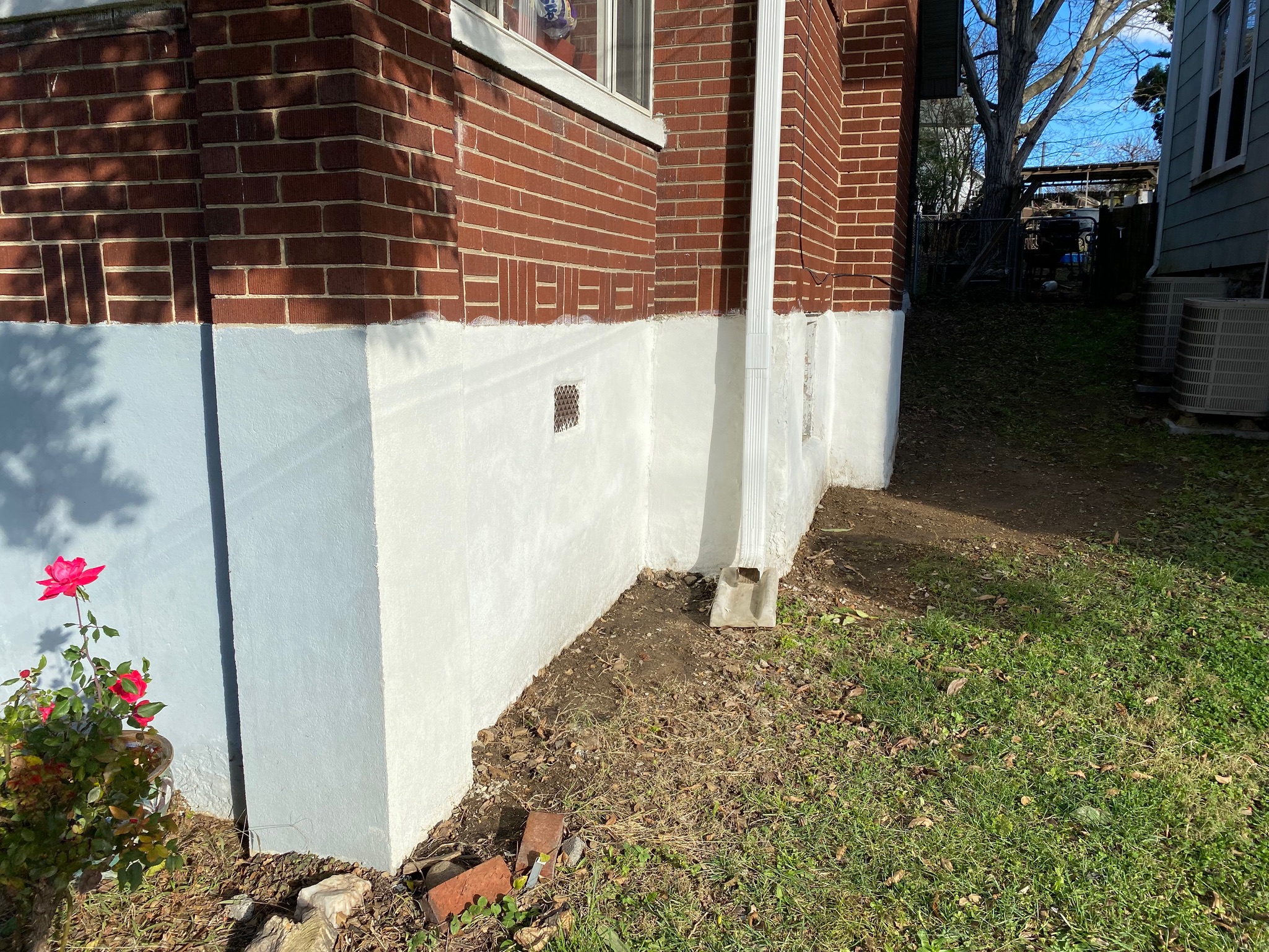
You’ve noticed some cracks in your home’s foundation and wonder, “how much is this going to set me back?” Well, you’re not alone. Foundation repairs can be a significant investment and costs vary greatly depending on a myriad of factors. What if you could anticipate these costs and plan accordingly? Let’s explore some essential aspects that impact foundation repair costs.
Key Takeaways
- Foundation repair costs vary widely based on the type of foundation, with average costs ranging from $1,000 to $10,000.
- The severity and urgency of the damage, choice of repair method, and quality of materials significantly influence repair costs.
- Geographical location, local climate, and soil composition can also impact the overall cost of foundation repairs.
- Homeowners can reduce costs through DIY solutions for minor issues, regular maintenance, and negotiation with repair companies.
- Professional assessments are crucial for accurate damage evaluation and can ultimately save money by preventing major future repairs.
Understanding Foundation Repair
One can never underestimate the importance of a solid foundation for a home. It’s the base on which your home stands, and its integrity is essential to your house’s overall structure.
Now, when you’re dealing with foundation repairs, you’ve got to take into account several factors, among which are soil stability and drainage solutions.
Soil stability directly affects your foundation’s strength. You see, if the soil beneath your house is prone to shifting or settling, it can lead to significant foundation issues. It’s your job as a homeowner to guarantee that the ground upon which your house stands is stable. If it isn’t, you’ll need to consult with a professional who can help you address the issue.
Drainage solutions, on the other hand, are critical in preventing water from pooling around your foundation. Excess water can lead to erosion and other issues that can weaken your foundation. You need to make sure that your home has proper drainage systems to direct water away from your foundation.
Understanding foundation repair isn’t something you can ignore. It’s an essential part of homeownership, and by taking the time to grasp it, you’ll be doing your home a great favor.
Common Foundation Problems
Understanding the importance of repairs, let’s shift our focus to identifying common foundation problems.
First up, cracked walls are a clear sign of structural instability that can stem from foundation settling due to soil erosion or settlement issues. You may also notice uneven floors, another symptom of a compromised base.
Now, put water intrusion on your radar. This problem usually results from drainage problems and can lead to significant moisture damage if not addressed promptly. A damp environment not only weakens your foundation but also attracts pest infestations, so it’s a double whammy you’d want to avoid.
Soil erosion is another culprit behind many foundation issues. It can cause your foundation to shift, leading to settlement issues and structural instability.
Determining Repair Needs
Before you can get a handle on the costs, you’ll need to identify your foundation issues.
This involves recognizing the signs of damage and understanding what they could mean.
Once you’ve done this, you can start to estimate the potential repair expenses.
Identifying Foundation Problems
Ever noticed cracks in your walls or uneven floors in your home? These are some of the clear foundation signs that your house could be in need of repair.
It’s important for you to be aware of these signs so you can take proactive steps to prevent further damage.
Your home’s foundation can be affected by various factors, with soil conditions being one of the primary culprits. When the soil beneath your home expands and contracts due to changes in moisture and temperature, it can cause your foundation to shift, leading to noticeable signs of damage.
Other signs to look out for include doors and windows that stick or won’t close properly, and gaps around the exterior doors or windows.
If you’re seeing these signs, there’s a good chance your home’s foundation may be compromised.
Estimating Repair Expenses
Once you’ve identified potential foundation problems, the next step involves estimating the costs associated with necessary repairs. You might feel overwhelmed, but don’t panic. You’ve already taken the first step by acknowledging the problem.
Now, it’s time to plan your repair budget. Start by seeking multiple quotes from reputable repair companies. Don’t settle for the first quote you get; different companies may offer varying prices for the same job.
While you’re at it, consider the expense breakdown. Some costs may be for labor, while others are for materials. Also, remember to account for any potential extra costs, such as permits or inspections.
Next, consider the scope of the damages. Minor cracks might be a quick fix, but extensive damage could require substantial work, increasing the cost. You’ll also need to factor in the type of foundation you have, as this could affect the repair methods used and, consequently, the price.
Lastly, remember that while you’re working within a budget, cheaper isn’t always better. Quality repairs save you more in the long run by preventing further damage.
Average Foundation Repair Costs
Wondering what you might expect to pay for an average foundation repair? You’re not alone. Many homeowners find themselves in your shoes, trying to estimate the average costs associated with different foundation types. To help you out, we’ve compiled some data.
Here’s a simple table outlining the average costs associated with various foundation repairs:
| Foundation Type | Average Repair Cost |
|---|---|
| Slab | $2,000 – $6,000 |
| Crawl Space | $1,500 – $4,000 |
| Full Basement | $4,000 – $10,000 |
| Pier and Beam | $1,000 – $5,000 |
| Block and Base | $4,000 – $8,000 |
Factors Influencing Repair Costs
You might be wondering, what exactly determines the cost of foundation repair?
The truth is, it’s not a one-size-fits-all answer. Factors such as the severity of the foundation damage, the repair method chosen, and even your geographical location can all play a role in the final cost.
Severity of Foundation Damage
The severity of your foundation damage greatly influences the overall repair costs. Minor damage may only require simple fixes, while severe damage could mean substantial repairs to maintain your home’s structural integrity.
You’ll notice that the foundation stability is directly linked to the severity of the damage. Here’s a table to help you visualize:
| Severity of Damage | Impact on Costs |
|---|---|
| Minor Damage | Lower Costs |
| Moderate Damage | Medium Costs |
| Severe Damage | Higher Costs |
The repair urgency is another factor to take into account. If you’ve got minor cracks, you could probably hold off on immediate repairs. But don’t wait too long, as the long term effects of neglected damage could lead to serious structural issues.
Your inspection frequency is key here. Regular checks allow you to catch minor issues before they escalate into more costly problems. The soil conditions around your house can also contribute to the severity of your foundation damage. It’s essential to get a professional assessment to understand the extent of the damage and plan your budget accordingly.
Repair Method Chosen
Choosing the right repair method for your foundation damage plays a significant role in the overall cost. It’s not just about picking the cheapest option; you’ve got to evaluate the extent of the damage, the suitability of the method, and the long-term effectiveness. A repair technique comparison is a great place to start.
Do you need simple sealing for minor cracks or a more extensive underpinning for major structural issues? Sealing might be cheaper initially, but if it doesn’t address the root cause, you might find yourself facing even greater expenses down the line.
On the other hand, underpinning, while more costly upfront, can provide a more permanent solution, potentially saving you money in the long run.
Your repair material options are another key factor in the cost equation. While some materials may seem cheaper, remember to assess their durability and suitability for your specific foundation type.
Using inappropriate or low-quality materials might seem like a budget-friendly solution, but it can cost you more in future repairs.
In essence, choosing your repair method wisely can make a significant impact on your foundation repair costs. Don’t simply go for the cheapest; weigh the long-term implications.
Geographical Location Impact
Surprisingly, your geographical location can considerably impact your foundation repair costs. Factors like regional pricing, climate effects, soil composition, and local regulations all play a significant role.
Regional pricing can vary wildly, influenced by market demand, contractor availability, and historical trends. For instance, in bustling urban areas where demand is high, you might face steeper costs than in quieter rural locations.
Climate effects are another major consideration. If you live in an area prone to harsh weather conditions, your foundation may suffer more damage, leading to higher repair costs.
Similarly, the soil composition in your area can also affect the cost. Sandy soils that drain well may cause less damage to foundations than clay-rich soils that retain moisture.
Local regulations can change the game, too. Some areas have strict building codes that can increase the cost of foundation repairs.
Contractor availability also heavily influences pricing. In areas with fewer contractors, you may end up paying more due to limited competition.
Tips for Cost Reduction
You might be feeling overwhelmed by the potential costs of foundation repair, but don’t worry. There are several ways you can reduce these costs.
First, look into DIY solutions. Some minor issues, such as small cracks, can be fixed without professional help, saving you a bundle. However, always seek professional advice before undertaking any DIY repairs to prevent exacerbating the issue.
Next, establish good maintenance practices. Regularly inspect your foundation, especially during seasonal changes, to catch any problems early when they’re easier and cheaper to fix.
Budget planning is essential, too. By setting aside a small amount each month, you’ll be prepared for any unexpected repair costs.
Material choices can also impact the final bill. Do a cost comparison of different materials to find the most cost-effective option for your situation. Some materials might be more expensive initially, but their durability and longevity can save you money in the long run.
Lastly, don’t be afraid to negotiate. Many repair companies are open to negotiation, and you might be able to secure a better price.
Finding Reliable Repair Services
Maneuvering the maze of foundation repair services may seem intimidating, but it’s crucial to find a reliable provider. Investing time in research will reward you with peace of mind and potentially significant cost savings.
Start by reading customer reviews online. It’s a quick, easy way to gauge a firm’s reputation. Look for providers with a majority of positive feedback, but don’t ignore the negatives. A company’s response to criticism can be telling. Do they address issues promptly and professionally, or do they react defensively?
Next, confirm the firm offers service guarantees. It’s an indication they stand by their work. Be sure to read the fine print, though. A seemingly impressive warranty might be less beneficial if it’s filled with exclusions or loopholes.
Don’t be afraid to ask for recommendations, either. Friends, family, or neighbors who’ve dealt with similar issues can offer valuable insights.
And when you’ve narrowed down your options, request quotes and compare them carefully. Price isn’t everything, but it’s still a crucial consideration.
Preparing for Future Foundation Issues
Having found a reliable repair service and understood the costs involved, it’s wise to think ahead and consider how to prevent future foundation issues. This is where preventive maintenance comes in. It’s akin to going for regular health check-ups, but for your home. It’s a proactive approach to keep your foundation in top shape and minimize potential damage.
Preventive maintenance involves regular inspection and upkeep of your home’s foundation. You’ll need to guarantee proper drainage, control vegetation around your home, and maintain the soil moisture level to prevent excessive expansion or contraction that can damage the foundation.
Early detection is another significant aspect of preventing foundation issues. It’s about catching potential problems before they escalate into costly repairs. Be on the lookout for signs of foundation damage like cracks in walls or doors that won’t close properly. If you notice any, don’t wait; call your trusted repair service immediately.
Frequently Asked Questions
Does Homeowners Insurance Typically Cover Foundation Repair Costs?
Typically, your homeowner’s insurance doesn’t cover foundation repair costs. Insurance policies often exclude damage due to wear and tear or faulty construction.
However, if your foundation damage results from a covered peril like a fire or flood, you might’ve some coverage. You’ll need to check your policy’s coverage limits and exclusions.
It’s important to understand your insurance terms to avoid unexpected out-of-pocket expenses.
Can Foundation Repairs Lead to an Increase in Property Value?
Absolutely, foundation repairs can lead to an increase in your property value.
When you fix foundational issues, you’re not only enhancing the structural integrity of your home but also its foundation value. This can positively impact your property appraisal.
Potential buyers often view a well-maintained foundation as a sign of a responsible homeowner.
How Long Does a Typical Foundation Repair Take to Complete?
You’re probably wondering how long a typical foundation repair takes.
Well, it’s not a quick fix. The repair duration can vary widely depending on the severity of the damage.
A minor repair might only take a few days, but a major repair could last several weeks.
It’s essential to get a detailed project timeline from your contractor to know what to expect and how to plan around the construction.
What Are the Signs of a Shoddy or Subpar Foundation Repair Job?
You’ll notice signs of a subpar foundation repair job in various forms.
Cracks reappearing or worsening, uneven floors, or misaligned doors and windows can indicate poor repair quality.
If water seepage persists or new leaks occur, that’s another red flag.
Remember, any signs of negligence like these shouldn’t be ignored.
It’s essential to hire reputable professionals for your foundation repairs to avoid these issues.
Can Foundation Repairs Be Done DIY or Should a Professional Always Be Hired?
While you might be tempted to try DIY techniques for foundation repairs, it’s not recommended.
Foundation issues can be complex and missteps can lead to bigger problems. A professional assessment is essential.
They’re trained to spot problems you may miss and have the right tools for the job.
Conclusion
So, you’ve got the scoop on foundation repair costs. They can range from $1,000 to $10,000, depending on a few factors. Regular check-ups and proactive maintenance can save you a bundle down the line. Remember, the type of foundation, severity of damage, location, and soil conditions can all influence the final bill. Choose reliable repair services and always be prepared for possible future issues. It’s about protecting your investment and peace of mind.

Seal-tite Basement Waterproofing Co. is a full service basement environment contractor. We carry an A+ Better Business Bureau rating. We repaired over 40,000 homes and structures in Virginia, West Virginia, Tennessee, and North Carolina. We are fully insured and licensed. We have worked in all types of locations, including residential and commercial locations, government agencies, colleges, hospitals, churches, and condo associations.
Seal-tite® offers a lifetime transferable warranty. We carry a Class A Contractor’s License and we are fully insured. Our satisfied customers range from government agencies to businesses, hospitals, colleges, churches, and thousands of homeowners. Your home is probably the single largest investment you will make in your lifetime. Don’t wait, call Seal-tite® to help make your home dry, safe and livable.

