
You’ve likely heard the saying, “A house is only as strong as its foundation.” But how much do you really know about foundation repair? From identifying early signs of damage to understanding the complexities of selecting the right contractor, it’s a topic that demands your attention as a homeowner. Let’s unpack some key insights that could save you time, money, and perhaps a few sleepless nights. We’ll explore 30 headlines that cover everything you need to know about foundation repair. Ready to get started?
Key Takeaways
- Understanding different signs of foundation damage, like cracks and uneven floors, is crucial for early identification and repair.
- Soil composition, improper drainage, and landscape features like tree roots significantly impact foundation health and stability.
- Various repair solutions, including underpinning, piering, slab jacking, and waterproofing, address different types of foundation issues effectively.
- Foundation repair costs are influenced by factors such as chosen repair methods, soil conditions, project timelines, and emergency situations.
- Choosing a qualified contractor with a strong reputation, transparent communication, and clear contract details is vital for successful foundation repair.
Understanding Foundation Repair
You may not give it much thought, but your home’s foundation serves as the bedrock of your living space. It’s up to you, as a homeowner, to maintain its structural integrity.
Foundation maintenance involves a plethora of responsibilities including soil stabilization and implementing drainage solutions to control moisture.
An assessment of your foundation can reveal settlement issues that could affect your property value. It’s not just about concrete quality, but also about understanding underpinning methods, foundation technology, and building codes.
This is where professional foundation inspections come into play. Experienced inspectors can debunk foundation myths and guide you on repair techniques based on construction practices, foundation types, and environmental impact.
Your home warranty may cover some repair timelines, but seasonal effects, like soil expansion and contraction, can complicate matters.
Seismic considerations also play a part, depending on where you live. It’s crucial to approach foundation repair with a good grasp of engineering principles and respect for landscape design.
Failure to do so could negatively impact your home’s market value, not to mention your peace of mind.
Signs of Foundation Damage
You might be wondering, “What are the signs of foundation damage?”
Well, let’s start by discussing foundation cracks, a major red flag in any structure.
Additionally, we’ll explore how your landscape can negatively affect your foundation over time.
Identifying Foundation Cracks
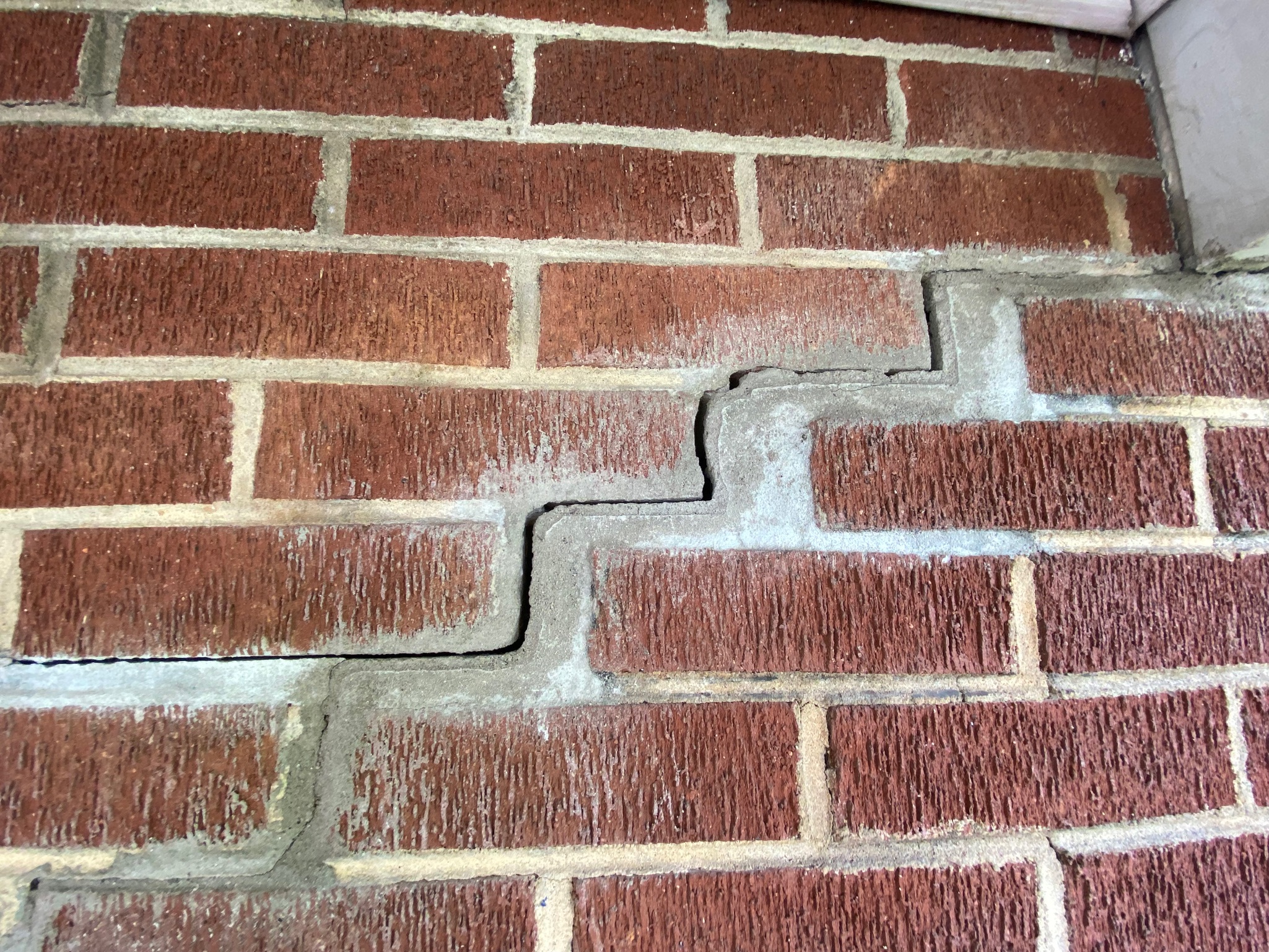
In the domain of home ownership, identifying foundation cracks is a task of vital importance. Crack types may vary based on several factors including foundation age, soil stability, and seasonal effects. Visual indicators such as uneven floors or sticking windows can signal foundation issues, but for a thorough diagnosis, you’ll need professional inspection techniques and diagnostic tools.
Environmental influences and moisture impact can exacerbate existing cracks, threatening the structural integrity of your home. So it’s essential to understand the long-term effects of these risk factors. Certain settlement patterns, for instance, can indicate serious damage. Expert assessments can help identify these patterns and recommend appropriate repair methods.
The type of your foundation—whether slab, crawl space, or basement—also impacts the repair materials used and the engineering principles applied.
Remember, the stability of your foundation directly impacts your home value. So, regular maintenance, guided by these insights, is key.
Don’t ignore the signs. Understand the various factors at play—seasonal changes, soil stability, and more. Arm yourself with knowledge and seek expert help when needed.
Landscape Effects on Foundation
Landscaping might boost curb appeal, but it can also considerably impact your home’s foundation. Soil composition, for instance, plays a big role. The more clay in your soil, the more susceptible you’re to environmental factors such as moisture levels and seasonal changes, which can lead to earth movement.
Drainage patterns also matter. Improper grading strategies may result in surface runoff that erodes the soil near your foundation, undermining its stability. Conversely, poor irrigation practices can produce excessive moisture, causing soil expansion that pressures the foundation.
The vegetation impact is another significant aspect. The root systems of large trees can disrupt your foundation, especially if planted too closely. Therefore, plant selection is a vital part of your landscaping choices.
Topographical influences and climate considerations further complicate matters. Areas with steep slopes or heavy rainfall need special construction techniques to guarantee foundation depth and land stability.
Lastly, always keep an eye on weather impacts. Seasonal freezing and thawing cycles can cause significant damage. Understanding these factors can help you make informed decisions about your landscaping and protect your foundation from potential harm.
Common Foundation Problems
You might be wondering about the most common foundation problems and their causes.
We’ll first take a look at identifying the typical flaws in foundations, followed by discussing what factors might lead to these issues.
Then, we’ll wrap it up with some effective solutions to repair these problems.
Identifying Foundation Flaws
Spotting foundation flaws early on can save you a lot of headaches down the line. Your first step is a thorough foundation inspection. This checks the structural integrity and foundation health, identifying any foundation settlement or other alarming signs.
Cracks are often the first visible sign of distress. Crack monitoring becomes essential to identify settlement patterns and assess whether they’re due to load distribution or thermal expansion issues. The type of crack can also signal different foundation types and the appropriate repair techniques.
Environmental factors like soil stability and moisture control play a significant role. Poor drainage issues can lead to soil compaction, which could undermine the foundation materials’ strength. Root intrusion is another environmental factor that can cause serious damage.
Here are three areas to focus on during the inspection:
- Soil Stability and Drainage: Look for signs of soil instability and drainage problems.
- Structural Integrity: Examine for any cracks or shifts in the foundation.
- Compliance with Building Codes: Verify that the foundation meets local building codes, which consider factors like seismic activity and engineering assessments.
Causes of Deterioration
Understanding the causes of foundation deterioration can help you take preventive measures. Many factors contribute to this issue, with soil erosion and poor water drainage being common culprits. Over time, these issues can lead to foundation settlement and land subsidence.
Similarly, tree roots can exert pressure on your foundation, causing cracks and other damage. Freeze-thaw cycles can also wreak havoc on your foundation. Expansive clay, poor soil compaction, and moisture imbalances can cause your foundation to shift and crack.
Likewise, seismic activity can lead to substantial foundation damage, especially in areas prone to earthquakes. Other factors, such as hydrostatic pressure, construction defects, aging infrastructure, and poor grading, can also contribute to foundation deterioration.
Inadequate ventilation can lead to moisture build-up, causing mold growth and wood rot. Pest infestations and plumbing leaks can compromise the structural integrity of your foundation. Heavy machinery, temperature fluctuations, and nearby excavation works can also have an impact.
Effective Repair Solutions
Facing foundation problems can be overwhelming, but there are effective solutions available to mitigate these issues. Understanding common foundation problems, their causes, and the appropriate repair methods is the first step to preserving your home’s structural integrity.
- Underpinning and Piering Systems: If your foundation inspection reveals settlement issues, underpinning methods using helical piers or other piering systems can strengthen and stabilize your foundation. These construction techniques work for various foundation types and are often covered by repair warranties.
- Slab Jacking and Soil Stabilization: Slab jacking is an effective solution for localized repairs. It involves pumping a mixture under the foundation to lift it into place.
Additionally, soil stabilization reduces the risk of future settlement issues.
- Waterproofing and Drainage Systems: Waterproofing solutions protect your foundation wall from moisture damage. Proper drainage systems, on the other hand, prevent water accumulation.
Both are critical for foundation maintenance.
Choosing a Repair Contractor
When it comes to foundation repair, choosing the right contractor can make all the difference. Check their qualifications and industry certifications. Verify their experience levels through client referrals and customer testimonials. A contractor’s reputation assessment can reveal a lot about their work ethic and delivery.
Ensure your potential contractor provides clear service timelines and project estimates. You’ll want to understand the equipment used and subcontractor roles. Who’ll supervise the project? Warranties and service guarantees should be part of the package.
Communication skills matter. Your contractor should explain contract details, repair warranties, and payment options in layman’s terms. Insist on pricing transparency to avoid hidden fees.
Insurance coverage is essential for any unforeseen accidents on your property. Familiarize yourself with local regulations to make sure the contractor complies.
If the initial quote seems high, don’t shy away from negotiation tips to get a fair deal.
Cost Factors in Foundation Repair
Maneuvering the cost factors involved in foundation repair can seem intimidating. However, understanding the key elements can help you navigate this process.
Let’s break down the major cost factors:
- Repair Methods and Material Costs: Different foundation types require specific repair methods, affecting both material costs and labor expenses. For instance, a slab foundation repair might need concrete injection, while a pier and beam foundation may require timber replacement.
- Inspection Fees and Soil Conditions: Soil conditions can impact the structural integrity of your foundation, leading to varying inspection fees. Regions with expansive clay soil, for instance, might demand more extensive, consequently more expensive, inspections.
- Project Timelines and Equipment Rentals: Longer project timelines can inflate costs due to equipment rentals. Additionally, emergency repairs often command premium pricing.
Preventive Measures for Foundation Issues
A handful of preventive measures can save you a significant amount of money and stress in the long run. Focusing on drainage solutions and soil stabilization can be your first line of defense.
It’s crucial to have proper moisture control around your property. Tree roots can cause foundation issues, so preventive maintenance is necessary.
Seasonal inspections should be part of your routine, identifying potential problems before they escalate. Landscaping techniques can influence how water flows around your property, affecting your foundation.
Install sump pumps, foundation barriers, and consider the construction materials used for your home. Water diversion techniques and erosion control should be in place.
It’s not just about following building codes, but also about taking extra steps for your peace of mind. Settlement monitoring can help you catch any changes early on.
Remember to check foundation vents and maintain a dry crawl space using grading techniques and waterproofing methods.
Don’t forget about your irrigation systems; they should work with your foundation, not against it. Foundation plantings should be chosen carefully to avoid future issues.
Frequently Asked Questions
What Is the Average Lifespan of a Properly Maintained Foundation?
If you’re diligent with foundation maintenance, your foundation’s lifespan can greatly increase.
Various factors affect this, like soil stability, moisture control, and structural integrity. Regular inspections can catch settlement issues early.
Be mindful of weather effects, root damage, and soil erosion. Using the right repair techniques and preventive measures can also prolong the life of different foundation types.
However, always adhere to building codes and consider repair costs.
Can Foundation Repairs Affect a Homes Market Value?
Yes, foundation repairs can greatly affect your home’s market value.
Factors such as repair costs, buyer perceptions, and home inspections play significant roles. If the structural integrity is compromised, it can lower your property’s assessment and impact future resale.
However, a well-done renovation might increase the value. It’s important to reflect on these financial implications and market trends while making investment decisions and selling strategies.
Are There Insurance Policies That Cover Foundation Damage?
Yes, some insurance policies cover foundation damage. However, coverage depends on policy limitations and the type of damage.
You’ll need to understand the claim process, exclusions, and how insurance assessments work. Factors like risk and underwriting guidelines influence coverage.
It’s essential you explore all policy options and guarantee your chosen coverage includes various repair types.
Can DIY Foundation Repairs Be as Effective as Professional Ones?
While you might be tempted to tackle foundation repairs yourself, it’s not always the best route.
DIY methods may seem cost-effective initially, but when comparing effectiveness to professional repair techniques, they often fall short.
Professionals bring experienced skill, correct tools, and knowledge of local regulations. They also guarantee long-term solutions and structural integrity.
What Are the Environmental Impacts of Foundation Repair Processes?
You mightn’t realize it, but foundation repair can have significant environmental impacts. Poor practices can lead to soil erosion, groundwater impact, and habitat disruption.
However, using eco-friendly materials and sustainable methods can reduce these effects. Proper water management and urban development strategies can also enhance foundation stability.
Adhering to environmental regulations will minimize your carbon footprint, construction waste, noise pollution, and energy consumption. It’s all about balance and climate resilience.
Conclusion
In wrapping up, foundation health is vital to protect your property investment. Knowing the signs of foundation damage, understanding repair solutions, and choosing a qualified contractor are all essential. Don’t forget about the preventive measures to avoid future issues. Keep in mind, costs can vary based on your unique situation. Remember, open communication and transparency throughout the process are key to a successful foundation repair. So, stay informed and proactive to safeguard your home’s found

Seal-tite Basement Waterproofing Co. is a full service basement environment contractor. We carry an A+ Better Business Bureau rating. We repaired over 40,000 homes and structures in Virginia, West Virginia, Tennessee, and North Carolina. We are fully insured and licensed. We have worked in all types of locations, including residential and commercial locations, government agencies, colleges, hospitals, churches, and condo associations.
Seal-tite® offers a lifetime transferable warranty. We carry a Class A Contractor’s License and we are fully insured. Our satisfied customers range from government agencies to businesses, hospitals, colleges, churches, and thousands of homeowners. Your home is probably the single largest investment you will make in your lifetime. Don’t wait, call Seal-tite® to help make your home dry, safe and livable.

