
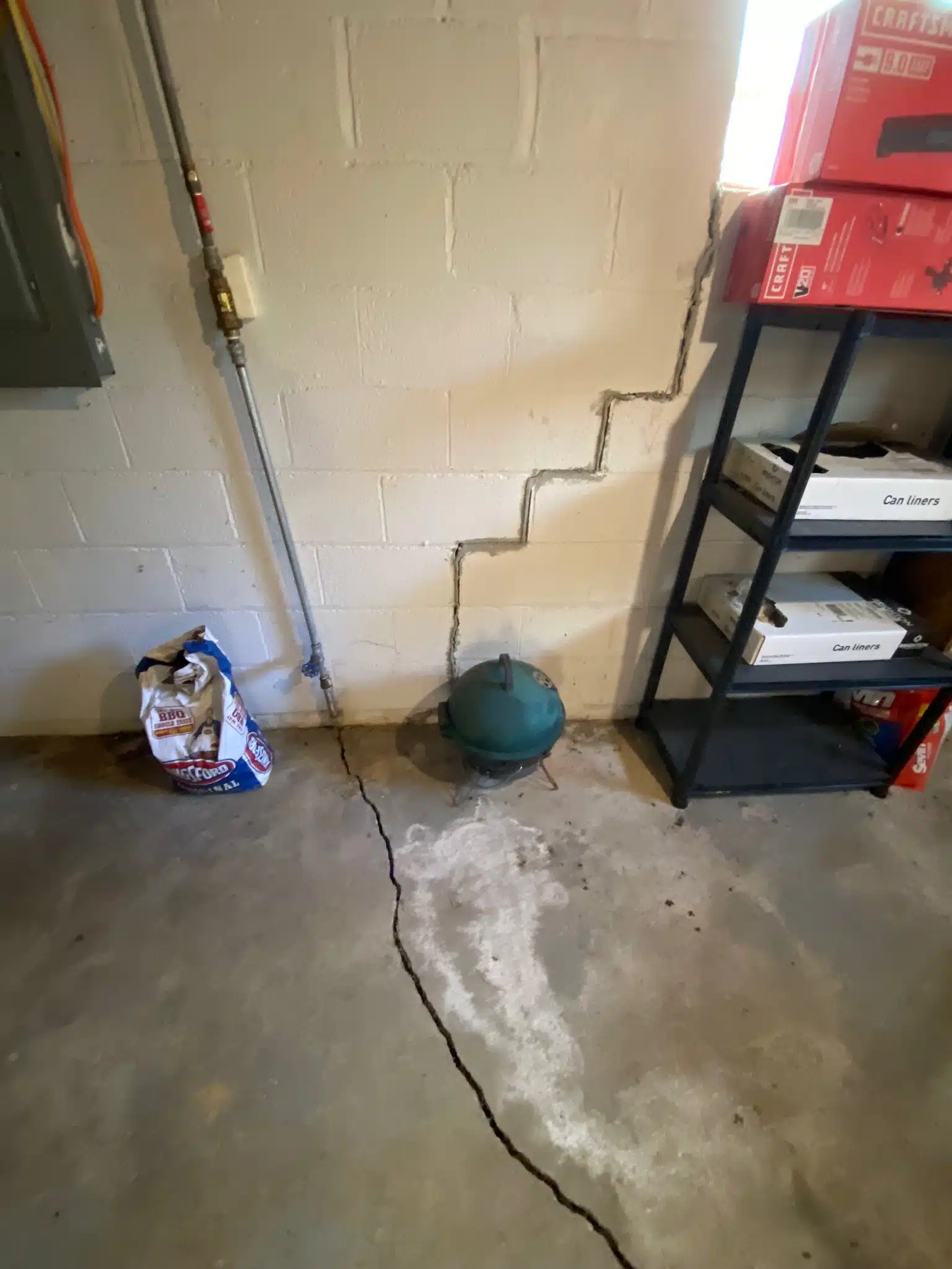
You’ve likely heard a few myths about foundation repair and, like many homeowners, you might be inclined to believe them. For instance, does the sight of a small crack send you spiraling into fear of major structural issues, or do you brush it off as nothing to worry about? And what about insurance, does it really cover all foundation damage? Also, can you rely on waterproofing alone to resolve all your foundation woes? The misconceptions are abundant, and understanding them can save you from unnecessary costs and stress. So, let’s debunk some of these myths together, shall we?
Key Takeaways
- Some homeowners mistakenly believe all foundation cracks are minor and easily fixable using DIY methods.
- There’s a misconception that insurance covers all foundation damage, while many standard policies do not.
- Many believe new homes can’t have foundation problems, overlooking the impact of soil settlement on new structures.
- A common myth is that waterproofing alone is a comprehensive solution for foundation issues, ignoring underlying structural or soil-related issues.
- Some homeowners underestimate the damaging impact of large tree roots on foundations, attributing cracks solely to age or environmental factors.
Myth 1: Foundation Cracks Are Normal
Deception often creeps into our understanding of home repairs, especially when it comes to foundation cracks. You may shrug off cracks as a sign of a house ‘settling’.
But, don’t be fooled. All foundation cracks aren’t created equal. It’s essential to understand crack types to accurately assess the damage.
Hairline cracks and vertical cracks could be benign, often appearing due to initial settling or minor concrete shrinkage.
On the other hand, diagonal cracks, often resulting from differential settling, may indicate serious issues. Horizontal cracks are the most worrisome, typically caused by external pressure and could lead to structural failure.
So, what repair methods should you rely on? In minor cases, you could use epoxy injections or sealants.
For more serious issues, you might need to engage a professional for underpinning, which strengthens the existing foundation. If horizontal cracks are present, you may require substantial reinforcement, such as installing wall anchors or braces.
Myth 2: Only Old Houses Need Repairs
You might believe that only old houses need foundation repairs, but this isn’t always true.
New construction can present its own set of challenges that can lead to foundation issues.
Additionally, environmental factors, like soil conditions and weather patterns, can also impact any home’s foundation, regardless of its age.
New Construction Challenges
While many may believe that only old houses require repairs, this is a common misconception. Even new constructions face their set of challenges. One such challenge is soil settlement.
You may assume that the soil underneath your brand new home is firm and unchanging, but that’s not always the case. Soil settlement refers to the process by which soil compresses over time due to weight and changes in moisture levels. This settlement can lead to uneven foundations, cracks in walls, and other structural issues.
Additionally, the quality of construction materials plays a significant role in the durability of your home. If builders cut corners and use substandard materials, it could result in necessary repairs sooner than you’d expect.
Even when using high-quality materials, if they aren’t suitable for the local climate or environmental conditions, you could still run into problems.
Environmental Impact on Foundations
Despite the popular belief, it isn’t just old houses that need repairs; even newly built homes can fall prey to environmental factors. Soil erosion, water drainage, climate change, temperature fluctuations, vegetation growth, seismic activity, flood risks, and humidity levels all interact to influence the stability of your home’s foundation.
For instance, soil erosion can undermine the support of your foundation, leading to potential cracks and instability. Likewise, poor water drainage can create pressure against your foundation, causing eventual damage. Climate change brings more intense weather patterns, increasing flood risks and soil erosion.
| Environmental Factor | Impact on Foundation |
|---|---|
| Soil Erosion | Undermines support, causing cracks and instability |
| Water Drainage | Creates pressure, leading to damage |
| Climate Change | Increases flood risks and soil erosion |
| Temperature Fluctuations | Causes expansion and contraction of foundation materials |
| Vegetation Growth | Roots can cause pressure and potential cracking |
Temperature fluctuations cause materials to expand and contract, possibly leading to foundation damage. Vegetation growth is another consideration; roots can exert pressure on your foundation and cause potential cracking. Understanding these factors can help you make informed decisions about foundation repair and maintenance.
Myth 3: All Foundation Problems Are Huge
Contrary to popular belief, not all foundation problems are catastrophic. You might be imagining huge cracks swallowing up your home, but many times, that’s not the case. In fact, numerous foundation issues are minor and can be fixed relatively easily.
Minor issues such as small cracks or slight shifts can occur due to changes in the soil, seasonal variations, or even just the age of your home. These aren’t necessarily signs of an impending disaster, but they’re red flags you shouldn’t ignore.
Early detection is your best friend when it comes to foundation problems. By catching these minor issues early, you can avoid bigger, more expensive problems down the line.
Think of it like going to the dentist. You wouldn’t wait until all your teeth are falling out to schedule a visit, right? It’s the same with your foundation. Regular check-ups and prompt attention to any issues can save you a lot of hassle and money.
Myth 4: Repairs Can Wait
You might think you can put off foundation repairs, but let’s debunk Myth 4: Repairs Can Wait.
Ignoring problems now can lead to serious dangers down the line.
We’ll look at the risks of delayed repairs and the true cost of procrastination.
Dangers of Delayed Repairs
While it might be tempting to put off foundation repairs, doing so can lead to serious and costly damage. You might think a small crack or a minor shift isn’t a big deal, but these seemingly minor issues are often the first signs of a bigger problem.
Urgent action is needed when it comes to foundation repair. Your home’s foundation is the core of its structure. If it’s compromised, the rest of your house is at risk. Doors and windows may stop functioning correctly, walls may begin to buckle, and your floors could start to slope.
The damage won’t stop at your foundation; it will spread throughout your home. Ignoring the problem doesn’t make it go away. In fact, it only exacerbates the situation. The longer you wait to fix your foundation, the more severe the damage will become.
This isn’t a scare tactic; it’s a reality. The long term consequences are severe, affecting not only your home’s structure but also its value. Foundation repair isn’t something to put on the back burner. It’s critical to address these issues swiftly to prevent further damage and protect your investment.
Cost of Procrastination
Countless homeowners fall prey to the myth that foundation repairs can wait. You might believe that a minor crack or a slight shift isn’t urgent, but this belief could lead to higher long-term expenses.
The cost of procrastination can be broken down into three significant impacts:
- Increased Damage: Small issues can quickly escalate into major problems if not addressed promptly. What might’ve been a simple fix could turn into a full foundation replacement.
- Higher Repair Costs: As the damage worsens, the cost to repair it climbs. Urgent assessments and repairs now can save you a fortune down the line.
- Decreased Property Value: Significant foundation issues can dramatically decrease your home’s value, making it harder to sell in the future.
Procrastination isn’t a cost-effective strategy when dealing with foundation repairs. It’s vital to remember that “time is money.”
Every moment you wait to fix these issues, the potential repair costs increase. So, stop believing the myth that repairs can wait. Prioritize your home’s stability, save money in the long run, and schedule an inspection today.
Myth 5: DIY Fixes Are Sufficient
Though it might seem tempting to pick up a hammer and head to the basement for some DIY foundation repair, it’s often an ill-advised course of action.
DIY techniques, while they can provide a sense of accomplishment, are often temporary solutions that could potentially lead to more costly repairs in the future.
Sure, you might patch a crack here, or fill a hole there, but underlying problems often persist. These superficial fixes might mask the issue, but they won’t solve the root problem.
DIY solutions may even exacerbate the issue if you’re not sure what you’re doing.
The complexity of foundation repairs extends beyond what most DIY fixes can handle. It’s not just about the visible damage; it’s also about understanding the soil conditions, hydrostatic pressure, and structural load distribution.
This sort of knowledge isn’t typically in the average homeowner’s toolbox.
It’s important to remember your home is an investment. While DIY repairs might seem cost-effective in the short term, they could end up costing you more in the long run.
Consequently, seeking professional help for foundation issues is often the best course of action.
Myth 6: All Repair Companies Are the Same
In the world of foundation repair, it’s easy to fall into the trap of thinking all companies provide the same service. This misconception can lead you down a frustrating and costly path.
Reality is, each company varies greatly in their approach, their repair company qualifications, and their understanding of warranties.
So, how can you tell them apart? Look out for:
- Experience and Qualifications – One company might’ve decades of experience, while another is still in their first year of operation. Look for reputable certifications and accreditations.
- Warranty Policies – Companies differ vastly in their warranty policies. Make sure you fully understand the warranty offered by the repair company you choose. Ask for clarity and get it in writing.
- Customer Reviews and Testimonials – Happy customers are a good sign. Look for reviews and testimonials to see how past clients rate their experience.
Don’t be fooled into thinking all repair companies are the same. Do your homework, check their credentials, and make sure you fully understand the warranty terms.
In the end, the right company can make all the difference in your foundation repair experience.
Myth 7: Insurance Always Covers Damage
Building on the idea of misconceptions about repair companies, another prevalent myth in the foundation repair sector is that your insurance will always cover the damage.
It’s essential to understand that this isn’t always the case. Insurance policies vary greatly, and there’s no one-size-fits-all when it comes to damage coverage. More often than not, standard homeowner’s insurance policies exclude coverage for damage due to “settling, cracking, shrinking, bulging or expansion” of the foundation.
That’s because insurers often classify these issues as maintenance problems, not unforeseen accidents or acts of nature. In contrast, if your foundation is damaged due to a covered peril like a fire or a windstorm, then you’re likely to receive coverage.
But issues stemming from poor construction, soil conditions or inadequate drainage are typically not covered. It’s important that you review your policy carefully, understand its limitations, and consider purchasing additional coverage if necessary.
Don’t fall into the trap of believing this myth. It’s always best to be proactive and guarantee you’re fully covered before any foundation issues arise. After all, assumptions can lead to costly surprises down the line.
Myth 8: Tree Roots Don’t Affect Foundations
Surprisingly, many homeowners believe the myth that tree roots don’t affect foundations. You may love the towering trees that provide shade to your home, but their root growth can indeed pose a risk to your foundation.
- Large tree roots can grow towards your home’s foundation, exerting pressure that causes cracks and structural damage.
- Roots also absorb large amounts of water from the soil, affecting its moisture content. This can lead to soil contraction around your foundation, causing it to shift or settle unevenly.
- Mature trees have extensive root systems. If they’re too close to your house, they can intrude into your foundation or plumbing lines.
Myth 9: Waterproofing Solves Everything
After debunking the myth about tree roots and foundations, we now move onto another popular misconception – the belief that waterproofing is an all-encompassing solution to foundation problems.
Don’t get us wrong. Waterproofing is a vital step in protecting your foundation from water damage, but it’s not a cure-all. It has its limitations.
Understanding waterproofing limitations is key to maintaining your home’s foundation. For example, waterproofing can’t fix structural issues or prevent them if the foundation was poorly constructed.
It’s a protective measure, not a repair method. It can’t correct soil-related issues or shifts in the ground that can cause damage to your foundation.
Moreover, waterproofing doesn’t address poor drainage. It’s important to pair waterproofing with adequate drainage solutions.
If water isn’t properly diverted away from your house, waterproofing alone won’t save your foundation from potential damage. Implementing efficient drainage systems like gutters, downspouts, and grading your landscape can guarantee that water flows away from your foundation, not towards it.
Frequently Asked Questions
What Are the Early Signs of Foundation Problems?
You might notice early signs of foundation problems if you’re seeing cracked walls or uneven floors in your home.
Don’t dismiss these as simple cosmetic issues or normal house ‘settling’. They’re often indicators of deeper structural issues.
Doors and windows sticking or not closing properly is another telltale sign.
How Often Should I Get My Foundation Inspected?
You’re on the right track asking about inspection frequency, as regular foundation maintenance is essential.
Generally, you should get your foundation inspected every 5-10 years, but if you’ve had issues before, you may want to do it more often.
Remember, it’s not just about spotting problems, it’s about prevention, too.
Don’t let myths deter you from keeping your home’s foundation in top shape. Better safe than sorry!
Does Soil Type Affect the Foundation of My House?
Absolutely, the type of soil your house is built on greatly impacts the foundation’s stability.
Different soil compositions, like clay or sandy soil, have varying capacities to bear weight and react differently to moisture. This can cause your foundation to settle, shift, or even crack.
As a result, it’s essential you’re aware of your property’s soil type and consider it when planning any construction or renovation.
Foundation issues aren’t a myth, they’re a reality you should take seriously.
Can Weather Impact the Foundation of My Home?
Absolutely, weather can impact your home’s foundation.
During periods of heavy rain or drought, the soil around your home expands or contracts. This foundation expansion and contraction can lead to cracks and other damage.
Moisture control methods, such as proper drainage, can help mitigate these effects. It’s important to monitor your foundation and consult with professionals if you notice changes.
Don’t let weather-related foundation myths mislead you.
Are There Specific Construction Materials That Make a Foundation Stronger?
Yes, there are specific construction materials that can make your foundation stronger.
Using reinforced concrete is one method that enhances foundation strength. The incorporation of steel bars in the construction process greatly boosts the durability and resilience of the foundation.
Additionally, adopting advanced construction techniques can also contribute to foundation reinforcement.
It’s not just about the materials used, but also how they’re used that determines the strength of your foundation.
Conclusion
Don’t fall for these foundation repair myths. Not all cracks are serious, and new homes can have issues too. Not every problem is a catastrophe, but don’t delay repairs. DIY isn’t always enough, and not all companies are created equal. Insurance doesn’t always foot the bill, tree roots can be harmful, and waterproofing isn’t a cure-all. Stay informed and proactive to protect your home’s foundation, saving you stress and costly repairs down the line.

Seal-tite Basement Waterproofing Co. is a full service basement environment contractor. We carry an A+ Better Business Bureau rating. We repaired over 40,000 homes and structures in Virginia, West Virginia, Tennessee, and North Carolina. We are fully insured and licensed. We have worked in all types of locations, including residential and commercial locations, government agencies, colleges, hospitals, churches, and condo associations.
Seal-tite® offers a lifetime transferable warranty. We carry a Class A Contractor’s License and we are fully insured. Our satisfied customers range from government agencies to businesses, hospitals, colleges, churches, and thousands of homeowners. Your home is probably the single largest investment you will make in your lifetime. Don’t wait, call Seal-tite® to help make your home dry, safe and livable.

