
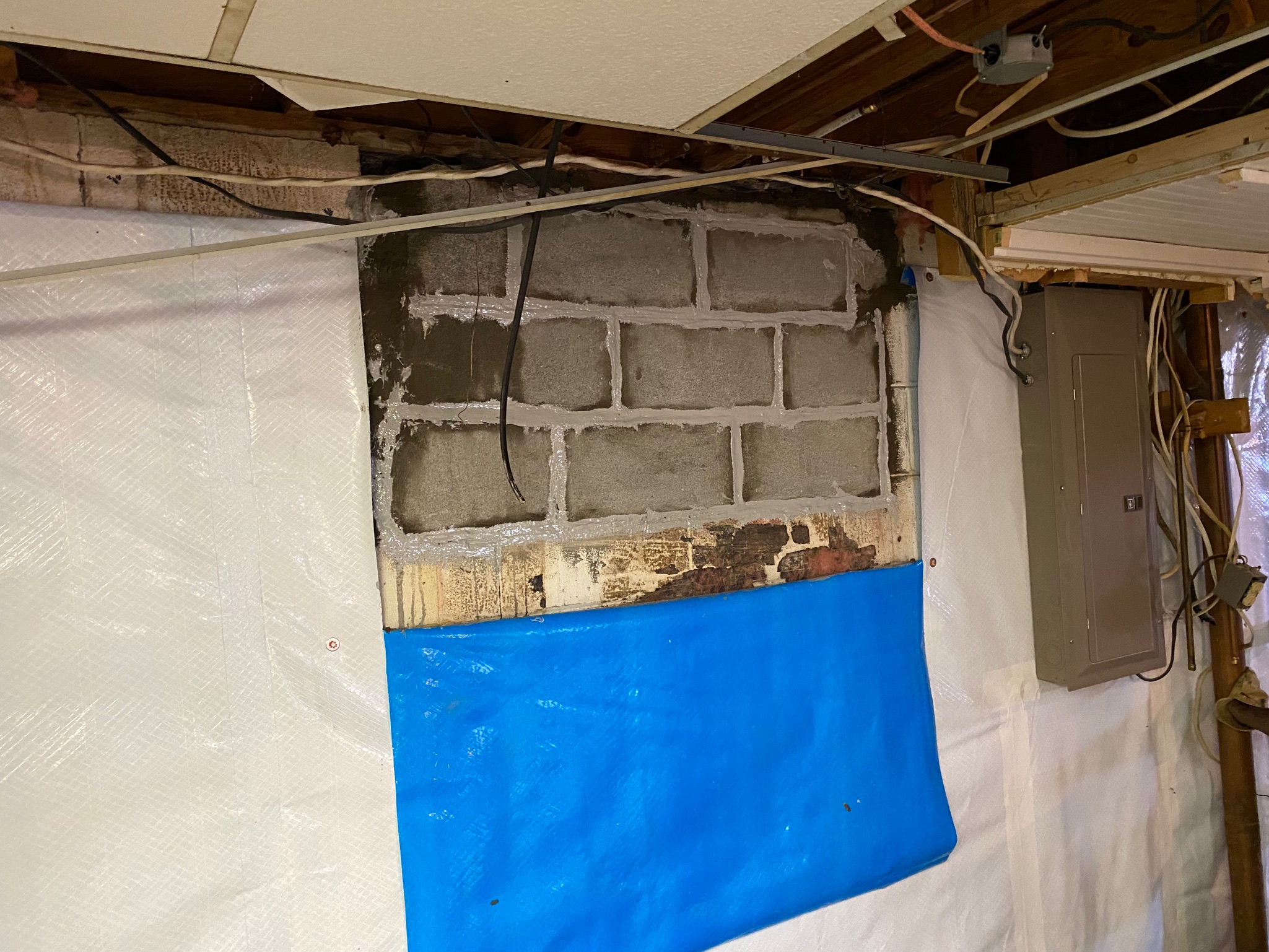
You’ve probably noticed cracks in a building’s foundation and brushed it off as normal wear and tear. But did you know that these small cracks can lead to significant water infiltration? Foundation damage, whether caused by natural soil settlement, poor drainage, or harsh weather, can create an easy path for water to enter your home. This water intrusion not only threatens the structural integrity of your building but also fosters mold growth and affects property value. Now, wouldn’t you want to know how to prevent such a situation?
Key Takeaways
- Foundation damage, often caused by soil settlement, tree roots, or construction flaws, can create cracks, allowing water to infiltrate the home.
- Water infiltration can occur due to increased hydrostatic pressure when surrounding soil is saturated, particularly if the foundation has been compromised.
- Improper waterproofing and poor groundwater management can exacerbate water infiltration if the foundation is damaged.
- Erosion, escalated by foundation damage, can shift the foundation, worsening infiltration issues and causing more severe structural problems.
- Drainage issues can raise moisture levels, leading to erosion and increased hydrostatic pressure, which can further damage the foundation and facilitate water infiltration.
Understanding Foundation Damage
One might underestimate the importance of a solid, damage-free foundation until issues start cropping up. You see, your home’s foundation stability is crucial to its overall health and longevity. The foundation serves as the backbone of your home, and any damage to it can lead to a plethora of problems, including water infiltration.
The soil conditions surrounding your home play a significant role in your foundation’s stability. Think of it like this: If the soil is too loose or too dense, it can cause your foundation to shift or sink, leading to cracks and other forms of damage. That’s why it’s so important to make sure that your home is built on a stable and solid foundation.
Water infiltration is one of the most common results of foundation damage. When your foundation has cracks or other damage, water can seep into your home, leading to dampness, mold growth, and even structural damage.
Causes of Foundation Cracks
While you may not see them right away, foundation cracks have a variety of causes you should be aware of. Soil settlement and tree roots can put pressure on your foundation leading to cracks. Drainage issues and freeze-thaw cycles can also play a role. When water doesn’t drain properly, moisture levels around your foundation can rise, causing erosion and hydrostatic pressure. If the soil freezes and thaws repeatedly, it can expand and contract, leading to cracks.
Construction flaws are another common cause. If your foundation wasn’t built correctly, it’s more susceptible to cracking. Seismic activity can also cause cracks. Even minor earthquakes can damage your foundation if it’s not built to withstand them.
Expansive soil is a less known, but critical factor. This type of soil swells when it gets wet and shrinks when it dries, putting pressure on the foundation.
| Causes of Cracks | Explanation |
|---|---|
| Soil Settlement & Tree Roots | Can exert pressure leading to cracks |
| Drainage Issues & Freeze Thaw | Improper drainage and weather changes affect soil moisture leading to cracks |
| Construction Flaws & Seismic Activity | Faulty construction or ground movement can lead to cracks |
Knowing these causes helps you prevent foundation damage and avoid water infiltration.
How Water Infiltrates Foundations
Foundation cracks aren’t the only issue; water infiltration is another major concern. It’s essential to understand how water breaches your home’s defenses.
When it rains, soil saturation occurs. Your home’s drainage systems try to divert this water, but if they’re inadequate, problems arise.
As the soil around your foundation becomes saturated, hydrostatic pressure increases. This pressure pushes water into any available space, including your foundation. If your foundation isn’t equipped with proper waterproofing techniques, water will find its way in, compromising your home’s structural integrity.
Groundwater management is another key factor. The water table can rise due to seasonal changes or persistent wet weather. If your foundation isn’t properly sealed, groundwater can seep in, leading to dampness and potential damage.
Erosion control is essential too. Over time, water can erode the soil supporting your foundation, causing it to shift or crack. This exacerbates water infiltration issues.
Signs of Water Infiltration
You’ve learned how water infiltrates foundations, but how do you spot the signs of this happening in your own home?
Recognizing infiltration symptoms early can save you from costly damage down the line.
Let’s discuss these indicators as well as the potential consequences of water infiltration.
Identifying Infiltration Symptoms
Many homeowners often overlook subtle signs of water infiltration until it’s too late. It’s essential to be proactive in infiltration detection to prevent escalating water damage. Here are some symptoms you should watch for.
First off, you might notice an unusual increase in your water bill due to unidentified leaks. Additionally, the presence of mold and mildew signals high moisture levels, possibly due to water infiltration.
Don’t dismiss a musty smell, as it could indicate hidden mold growth.
You should also be on the lookout for wall stains. Water can leave behind unsightly brown spots on your walls or ceilings.
Peeling paint or wallpaper is another sign, indicating that water is seeping into wall structures.
Consequences of Water Infiltration
Ignoring the subtle signs of water infiltration can lead to severe repercussions for your home. Water infiltration affects your water quality, making it unsafe for consumption. Your drainage systems may also suffer, causing soil erosion around your home’s foundation.
This erosion can lead to foundation settling, a serious concern that can threaten the structural integrity of your home. If you’re not maintaining proper moisture control, hydrostatic pressure can build up, exacerbating the water infiltration problem.
This pressure can cause plumbing leaks, leading to an even greater moisture problem within your home. Landscaping issues can also arise due to inadequate drainage and moisture control, further jeopardizing the stability of your home’s foundation.
The climate impact on your home also can’t be ignored. Changes in weather patterns can increase the likelihood of water infiltration, especially if your home lacks effective vapor barriers.
These barriers are essential for preventing moisture from entering your home, helping to protect your foundation from water-related damage.
Don’t underestimate the potential consequences of water infiltration. Take action now to safeguard your home and protect your investment.
Implications of Water Infiltration
Now that you’re familiar with the signs of water infiltration, let’s talk about its implications.
You need to understand the dangers it poses, how to assess the damage, and consider preventive measures and solutions.
These are essential steps in mitigating harm to your property.
Dangers of Water Infiltration
Unchecked water infiltration can stealthily wreak havoc on your home. It can compromise your water quality, turning a basic necessity into a potential health hazard.
Soil erosion, often dismissed as a minor issue, can actually disrupt your property’s drainage systems. This, in turn, exacerbates flood risks, particularly during seasonal changes when rain is more prevalent.
The structural integrity of your home is also at risk. Water seeping into your foundation can weaken it over time, driving down your property value and creating a ticking time bomb of costly repairs.
The increased humidity levels foster a damp environment, which is a breeding ground for mold and a beacon for pest infestations.
In essence, water infiltration isn’t just about physical damage. It’s also about the unseen threats – the health hazards from contaminated water and mold, the pests that come uninvited, and the silent erosion of your biggest investment: your home.
It’s imperative to remember that preventative measures aren’t just about maintaining aesthetics, but safeguarding your health and financial security as well.
Damage Assessment Techniques
Evaluating the damage from water infiltration requires a keen eye and methodical approach. You must be both thorough and systematic, as the full extent of damage mightn’t be immediately apparent.
The first step is a visual inspection. You’re looking for signs of water damage like staining, mold growth, or warped materials.
But remember, not all damage is surface level. A structural analysis is essential to assess the integrity of your home’s foundation.
Here’s a basic rundown of damage assessment techniques you can use:
- Conduct a visual inspection for immediate signs of water damage
- Perform a structural analysis to assess the overall integrity of your home’s foundation
- Check for dampness or moisture using a moisture meter
- Monitor for changes in temperature, which could indicate hidden water damage
- Hire a professional inspector if you suspect severe damage or can’t pinpoint the source of the problem
Preventive Measures and Solutions
In the domain of home maintenance, prevention is often much simpler and more cost-effective than after-the-fact repairs.
You don’t want to wait for water to start infiltrating your home’s foundation before you take action. Instead, proactively implementing waterproofing techniques and drainage solutions can save you from a world of hassle down the line.
There’s a variety of waterproofing techniques you can employ. You might consider applying a waterproofing sealant to your foundation, which forms a barrier that keeps water out.
Another option is to install a waterproofing membrane, a tough, flexible material that’s designed to resist hydrostatic pressure.
Drainage solutions are equally important. Installing a drain system around your foundation can help direct water away from your home.
You could also consider a sump pump, which removes water that’s accumulated in a water-collecting sump basin.
Link Between Mold and Water Damage
When your foundation suffers from water damage, it opens the door for a nasty guest: mold. The link between water damage and mold growth is straightforward. Water seepage leads to moisture retention, creating a damp environment perfect for mold to thrive. This can severely affect your home’s structural integrity and air quality.
Mold brings about numerous health risks, including allergies and respiratory issues. Plus, it’s unsightly and can decrease your property’s value.
Here are key points to remember:
- Mold thrives in damp environments.
- Poor air quality can be an indicator of mold presence.
- Exposure to mold poses health risks.
- Structural integrity can be compromised by mold infestation.
- Effective remediation techniques and cleaning methods are necessary to eliminate mold.
Always keep in mind that prevention is better than cure. It’s essential to incorporate prevention strategies to avoid water damage in the first place.
Preventing Foundation Damage
Understanding the risks that come with water damage and mold growth, it’s clear that prevention is the key to keeping your home safe.
It’s crucial to implement drainage solutions and systems that mitigate water build-up. The use of sump pumps, for instance, can help keep your basement or crawlspace dry.
Soil grading is another critical aspect of prevention. Ensuring proper slope away from your home helps prevent water from pooling against your foundation.
Coupled with good landscaping practices, you’ll not only enhance your property’s visual appeal but also contribute to erosion control.
Moisture barriers and waterproof coatings are another layer of protection. They help prevent moisture penetration into your foundation.
Regular foundation maintenance is important as well. This includes inspecting and repairing expansion joints, which can let in water if they become damaged.
Lastly, consider the role of your landscaping. Aside from aesthetic purposes, it should also serve to direct water away from your home.
Through strategic placement of plants, trees, and other elements, you can improve drainage and protect your foundation.
Repairing Damaged Foundations
Cracks in your foundation are more than just an eyesore; they’re an open invitation for water infiltration. Here’s how you can repair them:
- Foundation repair: The first step is identifying the extent of the damage. You might need to hire a professional to guarantee structural integrity.
- Crack sealing and waterproofing techniques: Next, seal the cracks using epoxy or polyurethane injections. After sealing, apply a waterproofing membrane for added protection.
- Underpinning methods and foundation stabilization: Depending on your soil composition, you might need to use underpinning methods to strengthen the foundation. This process involves extending the foundation depth or breadth to more stable soil, guaranteeing foundation stabilization.
- Drainage solutions: Install proper drainage solutions like French drains to redirect water away from your foundation.
- Masonry restoration and excavation processes: If the damage is severe, masonry restoration or excavation processes might be necessary. These processes can be labor-intensive and costly, so they’re typically the last resort.
Importance of Regular Foundation Checks
Regular foundation checks are a non-negotiable part of home maintenance. They’re not just a box to tick off your to-do list; they’re essential to ensuring your home’s structural integrity. You can’t afford to neglect this task, it’s that simple.
Think about it. Would you let your health deteriorate before seeing a doctor? Probably not. The same goes for your home. Foundation inspections are like a health check for your home. They can reveal issues early on before they turn into costly repairs.
Consider this table:
| Without Regular Checks | With Regular Checks |
|---|---|
| Expensive repairs | Preventive maintenance |
| Structural damage | Structural integrity |
| Decreased property value | Maintained property value |
| Potential water infiltration | Reduced risk of water infiltration |
| Stress and worry | Peace of mind |
See the difference? Regular checks can save you a lot of stress, money, and potential heartache. Don’t wait for a problem to become visible or for water to infiltrate your home. Be proactive, perform regular foundation inspections, and preserve the health and value of your home.
Frequently Asked Questions
What Is the Average Cost of Repairing Foundation Damage?
You’re probably wondering about the cost of repairing foundation damage.
It’s not a simple answer. Various factors, including the extent of damage and chosen repair methods, influence the price. The cost might range from a few hundred to several thousand dollars.
Usually, minor repairs won’t break the bank, but extensive damage can be pricey to fix.
It’s best to get multiple estimates to guarantee you’re getting a fair deal.
How Long Does It Take to Repair a Damaged Foundation?
When you’re dealing with foundation damage, the repair time varies.
It depends on the extent of the damage and the repair techniques used. Structural assessments usually take a few hours, but actual repairs may last several days to a few weeks.
Don’t rush it, though. It’s essential to guarantee the job’s done right to avoid further issues down the line.
Can Foundation Damage Affect the Overall Value of My Property?
Absolutely, foundation damage can greatly lower your property’s value.
If a foundation inspection reveals substantial issues, it’s a red flag for potential buyers and can impact your property appraisal negatively. They’ll likely factor in the repair costs into the offering price.
Addressing these issues promptly can help you maintain your property’s worth, ensuring you get the best possible return on your investment.
Do I Need a Permit to Repair the Foundation of My Home?
Yes, you’ll typically need a foundation repair permit to mend your home’s foundation.
It’s essential to abide by local building codes when performing repairs. Without a permit, you risk violating these codes, which could lead to fines or issues when selling your home.
Always check your local municipality’s requirements to ascertain proper procedure.
What Are the Potential Health Risks Associated With Mold From Water Damage?
When you’re exposed to mold from water damage, you’re at risk for various health issues.
Mold exposure can cause allergic reactions like sneezing, runny nose, red eyes, and skin rash.
It can also lead to more serious health implications such as asthma attacks.
In severe cases, prolonged exposure can cause chronic lung illnesses.
It’s essential to address mold issues immediately to prevent these health risks.
Conclusion
So, you’ve seen how foundation damage can lead to water infiltration. It’s not just an eyesore—it’s a threat to your home’s structure and value. Don’t ignore those cracks and signs of moisture. They could lead to mold growth and more. Preventing and repairing foundation damage is key. Regular checks are a must. Be proactive, protect your home, and guarantee its longevity. It’s not just about maintaining your property, it’s about safeguarding your biggest investment.

Seal-tite Basement Waterproofing Co. is a full service basement environment contractor. We carry an A+ Better Business Bureau rating. We repaired over 40,000 homes and structures in Virginia, West Virginia, Tennessee, and North Carolina. We are fully insured and licensed. We have worked in all types of locations, including residential and commercial locations, government agencies, colleges, hospitals, churches, and condo associations.
Seal-tite® offers a lifetime transferable warranty. We carry a Class A Contractor’s License and we are fully insured. Our satisfied customers range from government agencies to businesses, hospitals, colleges, churches, and thousands of homeowners. Your home is probably the single largest investment you will make in your lifetime. Don’t wait, call Seal-tite® to help make your home dry, safe and livable.

