
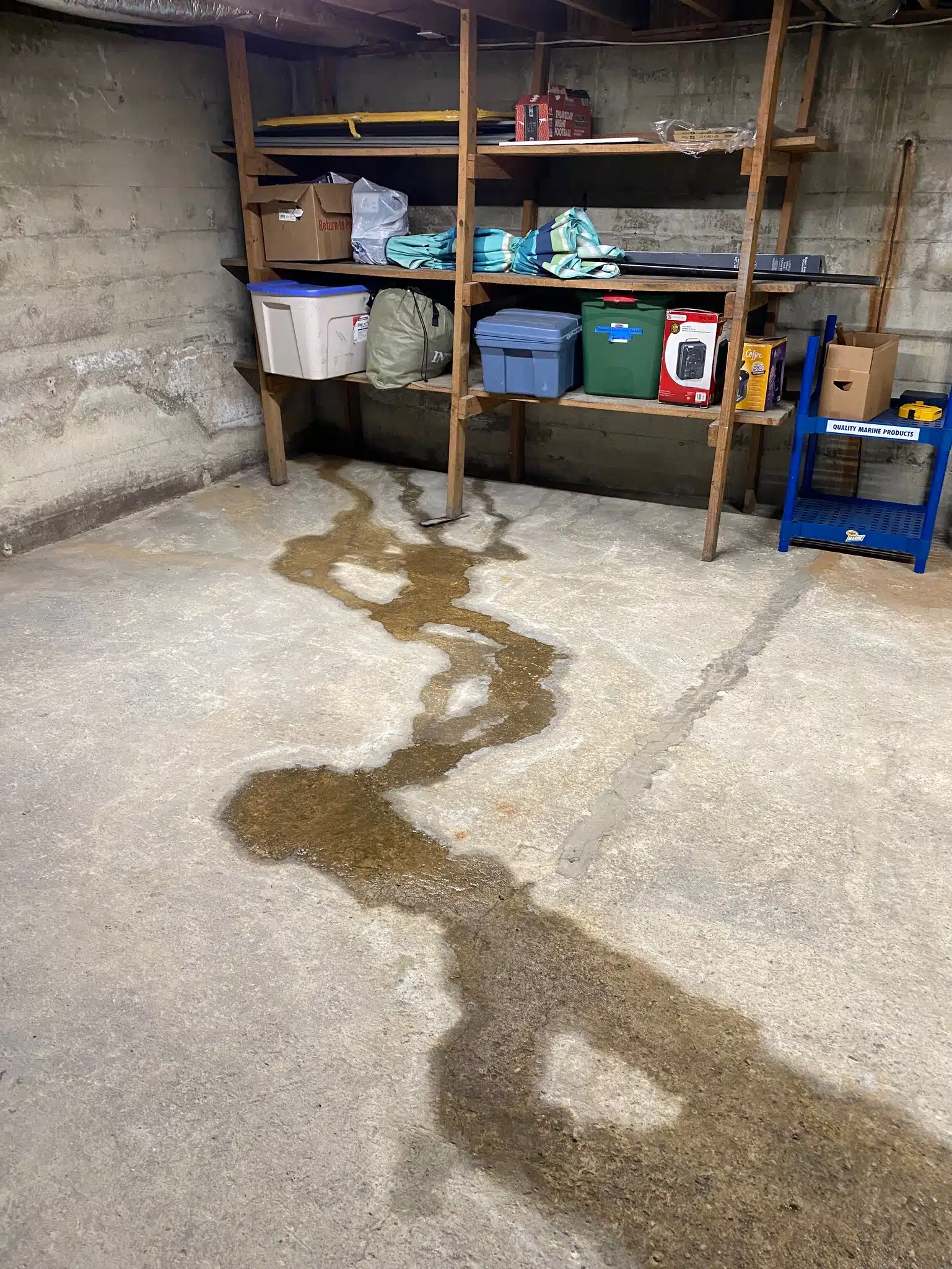
You’ve probably noticed that pesky water seeping up through your basement floor, haven’t you? It’s not just a nuisance, but a potential threat to your home’s structural integrity. By tackling both drainage and waterproofing, you’ll be on the right path to a dry and safe basement. From implementing proper landscape grading to sealing cracks and installing a sump pump, there are several methods to consider. Curious about which ones will work best for you? Stick around, we’re about to explore this in more detail.
Key Takeaways
- Install a sump pump to collect and discharge excess water away from the basement.
- Use interior waterproofing methods, such as sealing with waterproof paint or sealants.
- Install interior weeping tile systems to manage water accumulation within the basement.
- Regularly inspect and maintain your sump pump and waterproofing systems to ensure their functionality.
- Seal any cracks and gaps in your basement walls and floors to prevent water seepage.
Understanding the Causes of Water Seepage
Before diving into the solutions, you must first understand the causes of water seepage in your basement. It’s often due to two main factors: hydrostatic pressure and groundwater levels.
Hydrostatic pressure refers to the force that water exerts when it’s at rest. Think about it like this: when it rains heavily, the soil around your house absorbs the water, causing it to expand. This expansion increases the pressure on your basement walls and floor. Over time, this pressure can cause small cracks to form, allowing water to seep into your basement.
Now, let’s talk about groundwater levels. The water table, or the upper level of saturated soil, can fluctuate with the seasons and rainfall. When the groundwater level rises above the level of your basement floor, water can seep in through any existing cracks or weaknesses in the foundation.
Understanding these causes is essential in preventing water seepage in your basement. It’s not enough to just fix the damage once it’s done.
You’ve got to dig deeper and address the root of the problem. That’s how you’ll keep your basement dry and your home safe from potential water damage.
Evaluating Your Home’s Drainage
The first step towards maintaining a dry basement is evaluating your home’s drainage system. Your property’s drainage systems play a pivotal role in steering water away from your foundation. If they’re not functioning properly, you’ll likely witness water seeping into your basement from below.
Start by inspecting your gutters and downspouts. They should be directing water at least six feet away from your home’s foundation. If they’re not, you’re inviting trouble. Any clogs or leaks in these systems can lead to water pooling around your home, increasing the risk of seepage through your basement floor.
Next, assess your landscape grading. Proper landscape grading slopes away from your home, encouraging water to flow away from your foundation. If you notice water pooling in certain areas of your yard after a rainfall, it’s a clear sign your landscape grading needs adjustment.
Lastly, consider installing a French drain system. This underground trench filled with gravel and a perforated pipe swiftly carries water away from your home.
Basement Waterproofing Methods
Even with a well-functioning drainage system, your basement could still be at risk of water intrusion. This is where basement waterproofing methods come in handy. You can choose from a range of options, each designed to offer a unique solution.
One of the most common methods is interior sealing. This involves applying waterproofing paint or a sealant to the inside of your basement walls. It’s a quick and relatively inexpensive way to keep moisture out, but it’s not a permanent solution.
Exterior drainage is more intensive and costly but can provide long-term protection. It involves excavating around your home to install a drainage system that directs water away from your basement walls.
Here are some additional waterproofing methods:
- Installing a French drain
- Applying a waterproofing membrane
- Utilizing a capillary break and vapor barrier
- Installing an interior weeping tile system
- Incorporating a water-resistant concrete
Each method has its pros and cons, and the best one for you depends on your home’s specific needs and your budget.
Installing a Sump Pump
With a sump pump in place, you can significantly reduce the risk of water accumulation in your basement. It’s a powerful tool that collects excess water and safely discharges it away from your home.
There are two main sump pump types you should know about: submersible and pedestal.
Submersible pumps are submerged in the water, typically housed in a sump pit. They’re quiet and efficient, but they can be more expensive and harder to access for maintenance.
On the other hand, pedestal pumps sit above the water level. They’re less expensive, easier to maintain, but can be noisier.
To start with your sump pump installation, first, you need to dig a pit in the lowest part of your basement. It’s usually about two feet deep and 18 inches wide.
Set the pump in the pit, connect it to the drainage pipe, and plug it into a GFCI outlet. Make sure the pump is level and secure, as any tilt can affect its operation.
Check the manufacturer’s instructions for any specific installation requirements.
Maintenance Tips for a Dry Basement
Having a sump pump installed is a great first step to avoid water issues in your basement, but it doesn’t end there.
Regular maintenance is key to keeping your basement dry. Here are some tips to help you maintain a dry basement:
- Regularly inspect your sump pump and other basement waterproofing systems. Make sure they’re functioning properly and fix any issues immediately.
- Make use of a dehumidifier. It reduces the amount of moisture in the air, which can help prevent condensation and mold growth.
- Seal any cracks or gaps in your basement walls, floor, and around windows. Water can seep through these areas, so it’s important to keep them sealed.
- Clean your gutters and downspouts regularly. They help direct rainwater away from your home, so keeping them clear is crucial.
- Maintain proper grading around your home. The ground should slope away from your home to keep water from pooling around the foundation.
Frequently Asked Questions
What Are the Signs of Potential Water Damage in a Basement?
You’ll notice potential water damage in your basement through a few key signs.
Look out for water stains on walls, floors, or ceilings. These could be dark or discolored patches.
Also, be aware of musty odors. This can be a sign of mold or mildew, often a result of water damage.
If you notice these signs, it’s crucial to address the issue immediately to prevent further damage.
How Much Does It Typically Cost to Waterproof a Basement?
The cost to waterproof your basement varies greatly, depending on several factors.
These include the size of your basement, the severity of the water issue, and the waterproofing methods used.
On average, you’re looking at a range from $500 for minor repairs, up to $10,000 for extensive work.
It’s a significant investment, but it’s crucial to prevent further damage, mold growth, and to maintain the structural integrity of your home.
How Long Does It Usually Take to Install a Sump Pump?
Installing a sump pump doesn’t take too long. If you’re handy, you could do it yourself in a weekend.
However, if you’re hiring a professional, it typically takes about a day. The exact time can vary based on the complexity of the installation.
It’s important to remember that sump pump maintenance is crucial to prevent future issues. This involves checking and cleaning it regularly, especially during rainy seasons.
Are There Any Health Risks Associated With a Wet Basement?
Yes, there are health risks associated with a wet basement.
It’s a breeding ground for mold growth which can drastically affect your indoor air quality.
Over time, exposure to mold can lead to respiratory issues like asthma or allergies.
It’s important to keep your basement dry to maintain a healthy living environment.
If you’re dealing with persistent dampness, it’d be wise to consult a professional for an effective solution.
Is There a Specific Time of Year When Basement Flooding Is More Prevalent?
Yes, basement flooding is often more prevalent during periods of heavy seasonal rainfall and snowmelt runoff.
During these times, the ground can become oversaturated with water, which then pushes up through your basement floor.
It’s important to monitor weather forecasts and be prepared, especially if you’ve had basement water issues before.
Take proactive steps to manage water flow around your home to reduce the risk of basement flooding.
Conclusion
By understanding the causes of water seepage and evaluating your home’s drainage, you can effectively prevent water from coming up through your basement floor. Implement waterproofing methods, install a sump pump, and maintain these systems for a dry basement. Remember, directing water away from your foundation, sealing off cracks, and managing water effectively keeps your basement dry and helps maintain your home’s overall health and integrity. It’s work, but it’s worth it.

Seal-tite Basement Waterproofing Co. is a full service basement environment contractor. We carry an A+ Better Business Bureau rating. We repaired over 40,000 homes and structures in Virginia, West Virginia, Tennessee, and North Carolina. We are fully insured and licensed. We have worked in all types of locations, including residential and commercial locations, government agencies, colleges, hospitals, churches, and condo associations.
Seal-tite® offers a lifetime transferable warranty. We carry a Class A Contractor’s License and we are fully insured. Our satisfied customers range from government agencies to businesses, hospitals, colleges, churches, and thousands of homeowners. Your home is probably the single largest investment you will make in your lifetime. Don’t wait, call Seal-tite® to help make your home dry, safe and livable.

