Seal-Tite provides affordable and professional basement waterproofing in TN, VA, WV, and NC.
How to Spot Efflorescence and Why It Signals Waterproofing Needed
Have you ever noticed white, powdery deposits on your brick or concrete surfaces? That’s efflorescence, and it’s a revealing sign of moisture issues. When water seeps into your material, it carries salts to the surface that leave a residue during evaporation. It’s not just an eyesore; it’s a clear signal that waterproofing is needed. Ignoring efflorescence could lead to more than an aesthetic problem; it could result in structural damage that’s costly to repair. So, how can you address it effectively? Stick around to find out.
Key Takeaways
Spot efflorescence by checking for chalky, color-varied deposits and performing a salty residue test on masonry surfaces.
Efflorescence indicates water seepage, suggesting potential structural issues and the need for waterproofing measures.
Climatic factors like frequent rain, high humidity, and temperature changes can increase efflorescence occurrence, indicating a need for waterproofing.
Untreated efflorescence can weaken masonry, increase floor slipperiness, and lead to mold growth, all of which waterproofing can prevent.
Engage professional services for timely intervention and to implement effective waterproofing solutions, preventing further damage and maintaining property value.
Understanding Efflorescence
When it comes to efflorescence, it’s crucial to know what you’re looking for. You might spot it as a chalky, crystalline deposit on surfaces like concrete, bricks, or stones. It’s often white or grey, but don’t be fooled — its colors can range from yellow to brown, depending on the salts involved.
Now, you’re likely thinking, “Alright, but how does it feel?” Well, efflorescence usually has a powdery texture, but it can be hard if the salt crystals have had time to grow. You’ll find it on the surface, but it’s not surface deep. It’s a sign of water seeping through your materials, pulling salts to the surface as it evaporates.
Yes, it’s unsightly, but efflorescence isn’t just about aesthetics. It’s a red flag, signaling possible structural issues. The same water causing efflorescence may be weakening your building’s integrity.
Causes of Efflorescence
You’ve got a grasp on what efflorescence is, now let’s talk about why it happens.
From the formation process to common sources and even how climate plays a part, there’s a lot to cover.
Understanding Efflorescence Formation
Understanding the formation of efflorescence boils down to understanding the science behind it. Efflorescence is a crystalline deposit of salts that can form when water is present in or on brick, concrete, stone, stucco or other building materials. It’s a visual clue that water is moving through your masonry.
The process starts when water seeps through the material. This water dissolves salts present within the structure, creating a salt-water solution. As the water evaporates, it leaves the salt behind, which crystallizes and becomes visible on the surface. This is efflorescence.
Knowing what triggers efflorescence helps you better understand it. Here’s a simple breakdown:
Trigger
Description
Result
Water Infiltration
Water seeping into your masonry
Dissolves salts within the material
Evaporation
Water within the material evaporates
Leaves the dissolved salts behind
Crystallization
Leftover salt water solution crystallizes
Visible efflorescence on the surface
Common Efflorescence Sources
Let’s explore the typical sources of efflorescence. You’ve probably seen it on brick, concrete, or stone surfaces. This chalky white residue isn’t just a cosmetic issue; it’s a sign of a deeper problem.
The main cause of efflorescence is water. Water can carry salts from the ground or from the materials used in construction. When this water reaches a porous surface, it evaporates and leaves behind these salts, which crystallize to form efflorescence.
Poor drainage is another common source. If water doesn’t drain properly, it can saturate the ground and walls, leading to more efflorescence. Broken pipes and leaks can also contribute, as they can lead to water infiltration.
Inadequate waterproofing plays a significant role too. If surfaces aren’t properly sealed, they can allow water and salts to seep through, causing efflorescence.
The use of salty water in construction is another factor. If the water used to mix concrete or mortar contains salts, it can lead to efflorescence once the water evaporates.
Lastly, the type of materials used in construction can affect efflorescence. Certain materials, such as some types of bricks, are more prone to efflorescence because they contain more salts.
Climatic Influence on Efflorescence
In areas with frequent rain or high humidity, efflorescence is more likely to occur. The moisture in the atmosphere interacts with the minerals in your building materials, causing them to crystallize on the surface. This is what you’re seeing when you spot that powdery, white residue.
Don’t think you’re off the hook if you live in a drier climate, though. Efflorescence can still happen due to changes in temperature. When it’s hot, water within your materials can vaporize and migrate to the surface. Once it cools, the water condenses and the salts are left behind.
That’s why it’s essential to keep an eye out for efflorescence regardless of your local climate. It’s not just an aesthetic issue—it’s a big red flag that there’s excess moisture in your structure. If you spot it, don’t ignore it. Act quickly to waterproof your building, minimizing the risk of structural damage down the line.
Whether it’s damp or dry, hot or cold, your environment can contribute to efflorescence. Be vigilant, and you’ll stand a better chance of catching it early.
Identifying Efflorescence
Efflorescence can be a silent invader, creeping up on your walls and floors without a warning.
It’s essential you know what to look for to nip it in the bud before it spreads further.
Here’s how you can spot efflorescence:
Look for a powdery substance: Efflorescence is often seen as a white, powdery substance on concrete, bricks, or stone surfaces.
Test the color: While it’s commonly white, efflorescence can also be yellow, green, or brown. Its color depends on the minerals present in the water seeping through your walls and floors.
Check for a salty residue: If you’re not sure if it’s efflorescence or not, rub the surface. If it feels salty or gritty, chances are, it’s efflorescence.
Observe any changes during dry weather: Efflorescence often fades or disappears during dry weather as the water evaporates, only to reappear in damp conditions.
Damage Caused by Efflorescence
Often underestimated, efflorescence can cause considerable damage to your property if left unchecked. This white, powdery substance is more than just an eyesore—it’s a warning sign of moisture problems that could seriously compromise the structural integrity of your home or building.
While it might seem harmless at first glance, efflorescence can actually eat away at your masonry, causing it to weaken and crumble over time. It’s not just an aesthetic issue; it’s a potential safety hazard. If it’s on your walls, it can lead to bubbling and peeling paint, which can be costly to repair.
And if it’s on your floors, it can make them slippery and unsafe.
Moreover, efflorescence indicates a larger issue: moisture intrusion. This can cause rot, mold, and mildew, which can have serious health implications for you and your family.
Also, if you’re planning to sell your property, efflorescence can considerably decrease its value.
Waterproofing as a Solution
You’ve recognized efflorescence and understood its causes, now let’s tackle the solution – waterproofing.
It’s essential to take into account effective waterproofing techniques to prevent efflorescence from damaging your structures.
Stay with us as we explore this vital step in managing and preventing efflorescence.
Understanding Efflorescence Causes
While it may not be immediately obvious, the primary cause of efflorescence is water intrusion. If you’re seeing a white, powdery substance on your walls or floors, it’s likely you’re dealing with this issue.
But how does water result in efflorescence? It’s a process that involves four essential steps:
Water Intrusion: First, water finds its way into your structure. It could be through cracks, holes, or porous materials.
Dissolving Salts: Once inside, the water dissolves salts present in the construction materials.
Migration: The water then moves towards the surface, carrying the dissolved salts with it.
Evaporation and Crystallization: As the water reaches the surface and begins to evaporate, it leaves behind the salts which crystallize, forming the white, chalky substance you see.
Understanding these causes is half the battle.
Now, you’re equipped to identify the source of the problem and make the necessary corrections.
But remember, a proper waterproofing solution is your best bet to prevent efflorescence.
We’ll discuss this in the next section. Keep reading!
Implementing Waterproofing Techniques
Implementing waterproofing techniques is your first line of defense against efflorescence. It’s not just about slapping on a coat of waterproof paint, though. Effective waterproofing entails a thorough process that you’ve got to get right.
First, you need to identify the source of the moisture. Is it coming from the ground, the air, or perhaps it’s a plumbing issue? Once you’ve figured this out, you can then choose the appropriate waterproofing technique.
You’ve got several options, and it’s crucial to pick the one that’s right for your situation. Here’s a quick guide:
Technique
Best For
Downsides
Sealing
Surface-level water issues
Not effective for severe problems
Drainage
Groundwater issues
Can be expensive and disruptive
Waterproofing paint
Minor moisture issues
Not a long-term solution
Hiring Professional Waterproofing Services
After identifying efflorescence on your walls, it’s time to take action.
It’s essential to hire a professional waterproofing service to address the problem effectively.
But, how do you choose the right one? Here’s a simple guide:
Check Experience: It’s important to hire a service with extensive experience in dealing with efflorescence. They’ll have a better understanding of the issue and how to resolve it.
Look for Certifications: Professional waterproofing services should have valid certifications. These certifications indicate that they follow standard procedures and use high-quality materials.
Ask for References: A reputable company won’t hesitate to provide references. Reach out to these references and find out about their experiences.
Compare Quotes: Don’t go with the first service you find. Get quotes from multiple services, compare them, and then make an informed decision.
So, you’ve learned about efflorescence and its impact on your property. It’s a clear sign of water infiltration that can lead to serious structural problems. Don’t ignore these white, chalky deposits. Waterproofing is the key to tackling this issue. Consider hiring professional waterproofing services for a thorough job. It’s better to invest in prevention now, rather than face hefty repair bills later. Remember, when it comes to your property, early action is always the smart move.
Seal-tite Basement Waterproofing Co. is a full service basement environment contractor. We carry an A+ Better Business Bureau rating. We repaired over 40,000 homes and structures in Virginia, West Virginia, Tennessee, and North Carolina. We are fully insured and licensed. We have worked in all types of locations, including residential and commercial locations, government agencies, colleges, hospitals, churches, and condo associations.
Seal-tite® offers a lifetime transferable warranty. We carry a Class A Contractor’s License and we are fully insured. Our satisfied customers range from government agencies to businesses, hospitals, colleges, churches, and thousands of homeowners. Your home is probably the single largest investment you will make in your lifetime. Don’t wait, call Seal-tite® to help make your home dry, safe and livable.



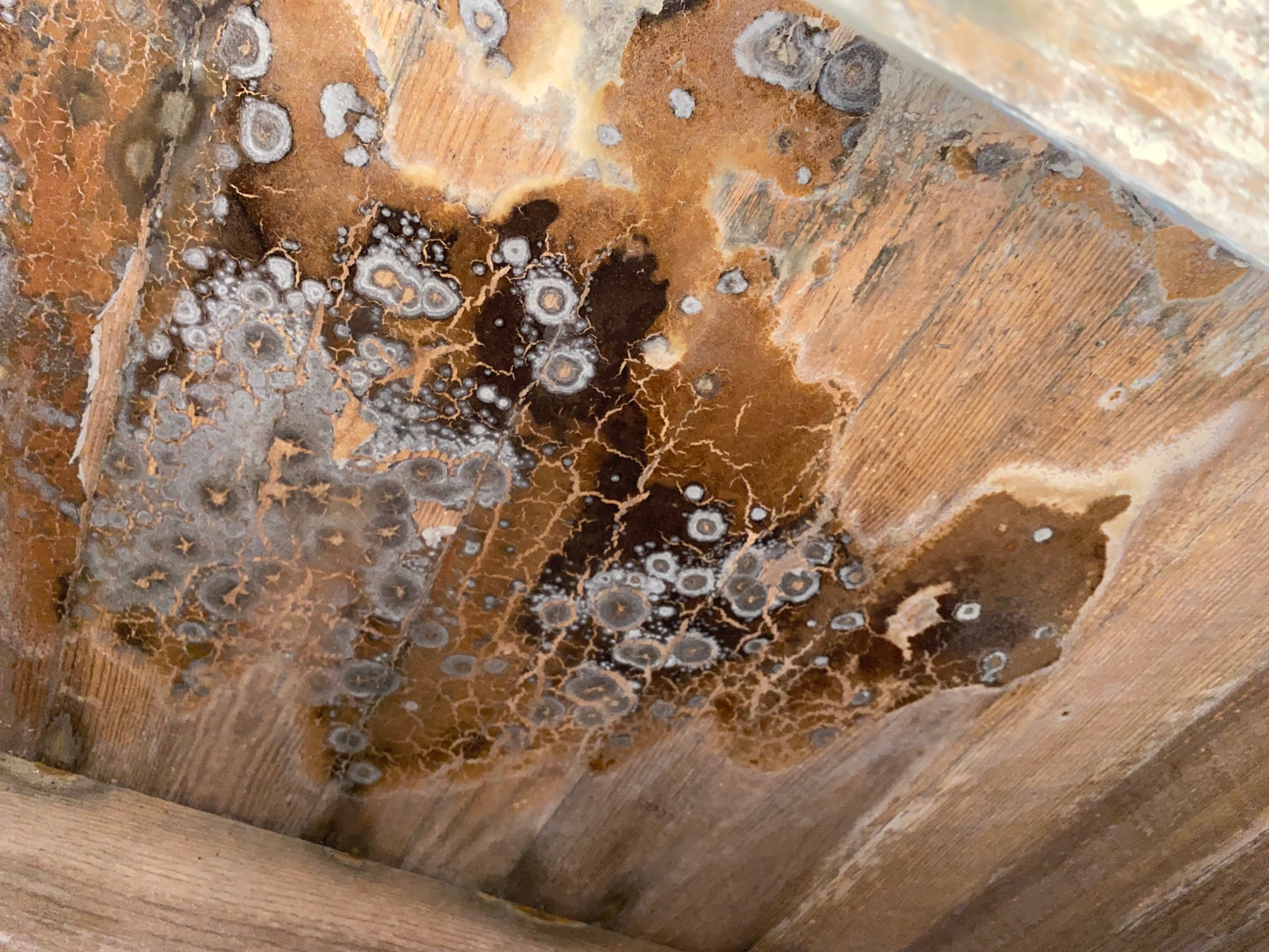 Implementing waterproofing techniques is your first line of defense against efflorescence. It’s not just about slapping on a coat of waterproof paint, though. Effective waterproofing entails a thorough process that you’ve got to get right.