
Ever noticed a wet spot on your basement floor or a musty smell lingering in the air? These could be tell-tale signs that your basement waterproofing isn’t quite up to snuff. It’s not just about standing water or damp walls – things like efflorescence, blistering paint, and even certain odors can all hint at a larger issue. But how do you know for sure? And what do you do if your waterproofing has indeed failed? Stay tuned, we’re about to explore this topic further.
Understanding Basement Waterproofing
Basement waterproofing is an essential aspect of home maintenance that you shouldn’t overlook. It’s the process of preventing water from penetrating your basement, keeping it dry and protected from potential water damage.
But how does it work, you ask? Well, the process typically involves the use of different materials and methods. These can include sealants applied to the interior walls and floor, exterior waterproofing coatings, and even more thorough measures like installing a sump pump or a drainage system to divert water away from your home’s foundation.
Basement waterproofing isn’t just about keeping things dry, though. It’s also about protecting the structural integrity of your home.
You see, when water seeps into your basement, it can lead to serious problems like mold growth, which can affect your home’s air quality. It can also lead to structural issues if left unchecked, causing damage that can be costly to repair.
Common Signs of Water Intrusion
Spotting the signs of water intrusion in your basement can be a game-changer in your fight against potential water damage. Recognizing these signs allows you to take immediate action, averting structural damage and costly repairs.
Let’s discuss some common signs of water intrusion. The most obvious is standing water. If you see pools of water on your basement floor, it’s a clear sign that your waterproofing has failed. However, water intrusion isn’t always this apparent.

Look out for damp or discolored walls. These are often a result of water seeping through your basement walls. If your walls are painted, you might notice blistering or peeling paint. You could also see efflorescence, which is a chalky, white mineral deposit left behind when water evaporates.
Pay attention to musty odors as well. This is a telltale sign of moisture present in your basement. Even without visible signs of water, a persistent musty smell suggests a hidden water intrusion issue.
Lastly, you might notice cracks in your basement walls or floor. While these cracks may not always signify water intrusion, they can potentially lead to it, inviting water from the outside in.
The Dangers of Mold and Mildew
When your basement waterproofing fails, it’s not just the dampness you need to worry about; it’s the potential for mold and mildew as well.
These unwelcome guests can pose serious health hazards, from allergies to respiratory issues. Knowing how to detect a mildew infestation early is key to maintaining a safe and healthy home environment.
Health Hazards of Mold
Don’t brush off the presence of mold in your basement as a mere eyesore. This seemingly innocuous intruder carries with it serious health risks. Mold, especially the dreaded black mold, produces mycotoxins, harmful substances that can wreak havoc on your health.
You might experience mild symptoms at first, like a runny nose, irritated eyes, or a skin rash. However, prolonged exposure can lead to more serious conditions. Chronic coughing, persistent headaches, and fatigue are just the tip of the iceberg.
In severe cases, mold exposure can exacerbate asthma, trigger allergic reactions, and even cause respiratory infections. Moreover, it’s not just those with pre-existing conditions who are at risk. Even healthy individuals can fall prey to the harmful effects of mold.
You might start feeling mentally foggy, battle with insomnia, or even face neurological issues over time. In short, mold isn’t just an unsightly problem—it’s a silent health hazard.
It’s vital to address any mold problem promptly to safeguard your health and the well-being of your family. Remember, a mold-free basement isn’t just about maintaining aesthetics, it’s about preserving your health.
Detecting Mildew Infestation
Having understood the dangers of mold, it’s equally important to recognize the signs of a mildew infestation in your basement. Mildew, a form of fungus like mold, thrives in damp environments and poses similar health risks.
Firstly, you’ll notice a musty odor, often described as damp or earthy. This is your first clue. Don’t ignore it.
Next, check for visual signs. Mildew typically appears as a thin, powdery or downy layer, often white or gray. Unlike mold, it stays on the surface and won’t penetrate the material it grows on.
Focus on areas prone to moisture, like corners, around pipes, and near windows. If you spot any discoloration, it’s a clear indicator of a problem.
To confirm, dab a few drops of household bleach on the suspected area. If it lightens quickly, you’re likely dealing with mildew.
Detecting Structural Damage
Now, let’s turn our attention to detecting structural damage.
You’ll need to be on the lookout for common signs of damage, such as wall cracks and the presence of moisture and mold.
Understanding and evaluating these will help you assess the effectiveness of your basement waterproofing.
Common Signs of Damage
Over time, your basement’s structural integrity may start to deteriorate, signalling that your waterproofing system has failed. You might notice that the floors and walls are no longer as solid as they once were. This could be due to water seepage, which causes materials to weaken and degrade. At this point, it’s important to take immediate action.
One sign to look for is a musty, damp smell. If it’s persistent and doesn’t disappear after airing out the room, it’s a clear sign that moisture is getting in.
Another visible sign is the presence of mould. This is a serious issue that shouldn’t be overlooked as it can lead to health problems.
You might also see efflorescence, a white, chalky substance on your basement walls. It’s a result of salts carried by water that are left behind as the water evaporates.
Additionally, look out for warped walls and floors, rust on metal items, and rotting wood. All these signs indicate that your basement waterproofing has failed.
Evaluating Wall Cracks
Crack analysis, an essential part of evaluating your basement’s structural integrity, requires a keen eye. Not all wall cracks signify a failure in your basement waterproofing. Some are merely cosmetic, resulting from the natural settling of your home over time.
However, larger cracks, especially those that are horizontal or diagonal, often signal serious issues. To effectively evaluate wall cracks, you’ll need to assess their width, length, and direction. Hairline cracks typically aren’t a cause for alarm, but any crack wider than 1/8 inch should be inspected by a professional.
The same goes for long, continuous cracks or those that are growing. The direction of the crack can also provide valuable information. Vertical cracks are often less concerning and may be due to settling.
But horizontal or diagonal cracks suggest more severe issues, like water pressure buildup or foundation shifting, both indicative of a potential waterproofing failure.
Moisture and Mold Presence
Spotting signs of moisture or mold in your basement is a clear indication of structural damage and potential waterproofing failure. Don’t ignore these signs; they’re your home’s way of telling you something isn’t right.
Moisture may appear as damp spots or a musty smell in your basement. It’s a telltale sign your waterproofing system isn’t working as it should. Excess moisture can seep into your basement through cracks or gaps in the walls or floor, often a result of underlying structural damage.
Mold, on the other hand, is a more ominous sign. It thrives in moist environments and can quickly spread if left unchecked. Mold usually presents as dark, fuzzy patches on walls, floors, or ceilings and can cause health issues if not dealt with promptly.
To detect whether you’re dealing with mold or mildew, try the bleach test. Dab a small amount of household bleach onto the suspicious area. If it lightens after a few minutes, you’re dealing with mildew. If it remains dark, it’s likely mold.
The Smell Test: Unpleasant Odors
If you’ve ever walked into your basement and been greeted by a musty, damp odor, that’s a clear sign your basement waterproofing may have failed. This isn’t just an unpleasant smell; it’s a symptom of a potentially serious issue. This odor indicates that moisture is present and likely trapped within the walls or floor.
The moisture can result from failed waterproofing systems, poor ventilation, or even a small leak that’s gone unnoticed. It’s not just water that can cause this musty scent. The humidity in your basement can lead to the growth of mold and mildew, which produce their own unappealing odors.
Don’t ignore this smell. It’s not something an air freshener can mask or resolve. You’ll need to identify the source of the moisture and address it directly.
Check for visible signs of dampness or water damage. Inspect for cracks in the walls or floor where water might be seeping in.
Professional Inspection and Repair Options
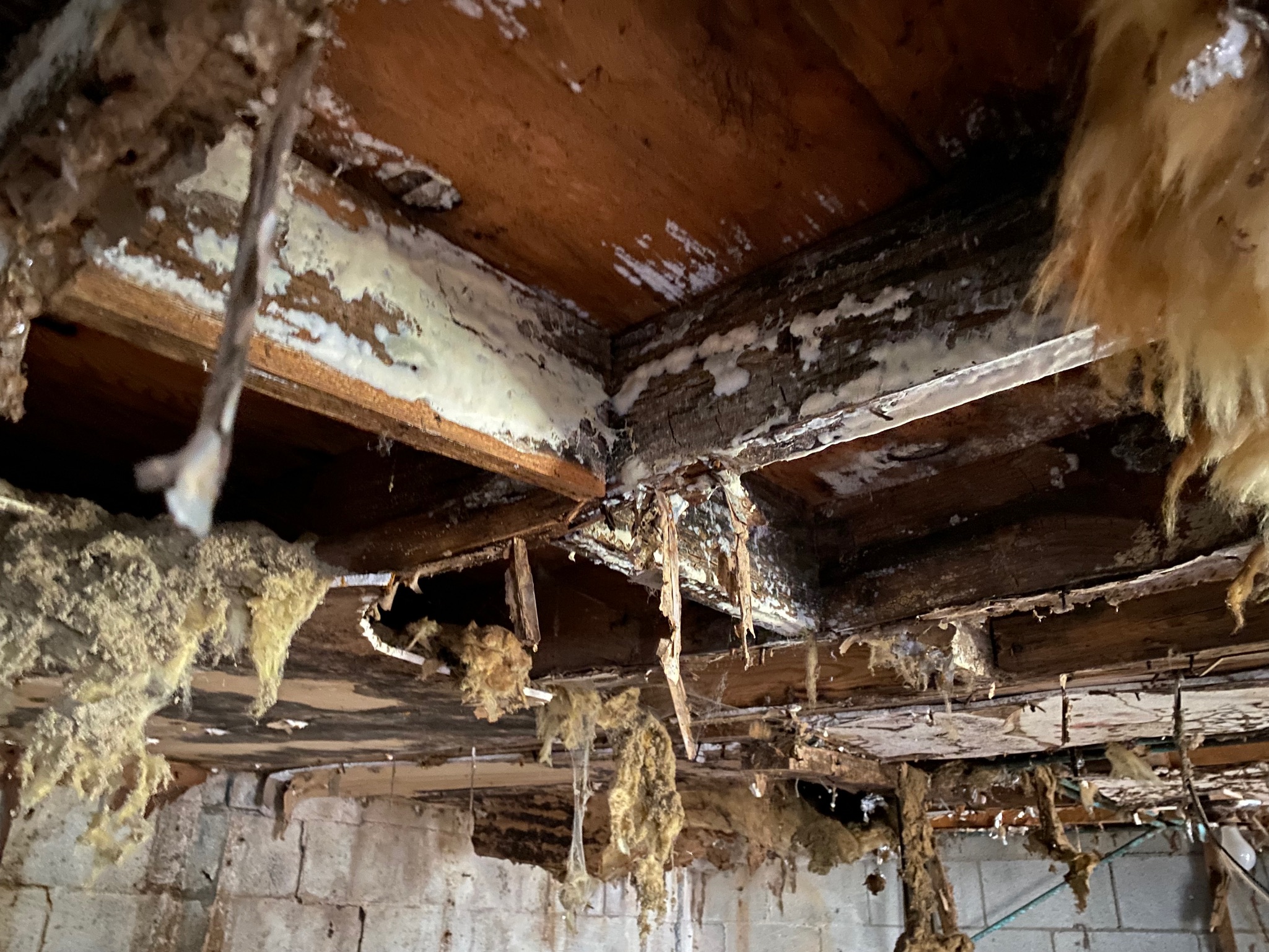 Once you’ve detected signs of a potential waterproofing failure in your basement, it’s vital that you don’t attempt to handle the problem on your own.
Many of the issues associated with failed waterproofing are complex and require professional expertise to diagnose and repair correctly. Attempting to fix these problems yourself could lead to further damage and more costly repairs down the line.
Contact a professional waterproofing company immediately. They’ll conduct a thorough inspection of your basement, identifying the source of the problem and evaluating the extent of the damage.
It’s critical to choose a company that’s highly rated, experienced, and certified to guarantee quality work.
After the inspection, the professionals will discuss their findings with you and propose the best repair options. This might involve a complete waterproofing system installation, patching cracks, or replacing damaged elements.
It’s important to understand that the cost will vary depending on the severity of the damage and the type of repair required. Don’t hesitate to ask questions or request a detailed estimate before any work begins.
So, you’ve learned to spot the signs of failed basement waterproofing. It’s alarming to contemplate that about 60% of U.S. homes suffer from below-ground wetness, according to the American Society of Home Inspectors. From standing water and damp walls to musty odors and structural cracks, these issues aren’t just annoying – they’re potentially dangerous. Stay vigilant and contact a professional if you notice these signs. It’s your home’s health at stake.

Seal-tite Basement Waterproofing Co. is a full service basement environment contractor. We carry an A+ Better Business Bureau rating. We repaired over 40,000 homes and structures in Virginia, West Virginia, Tennessee, and North Carolina. We are fully insured and licensed. We have worked in all types of locations, including residential and commercial locations, government agencies, colleges, hospitals, churches, and condo associations.
Seal-tite® offers a lifetime transferable warranty. We carry a Class A Contractor’s License and we are fully insured. Our satisfied customers range from government agencies to businesses, hospitals, colleges, churches, and thousands of homeowners. Your home is probably the single largest investment you will make in your lifetime. Don’t wait, call Seal-tite® to help make your home dry, safe and livable.

