
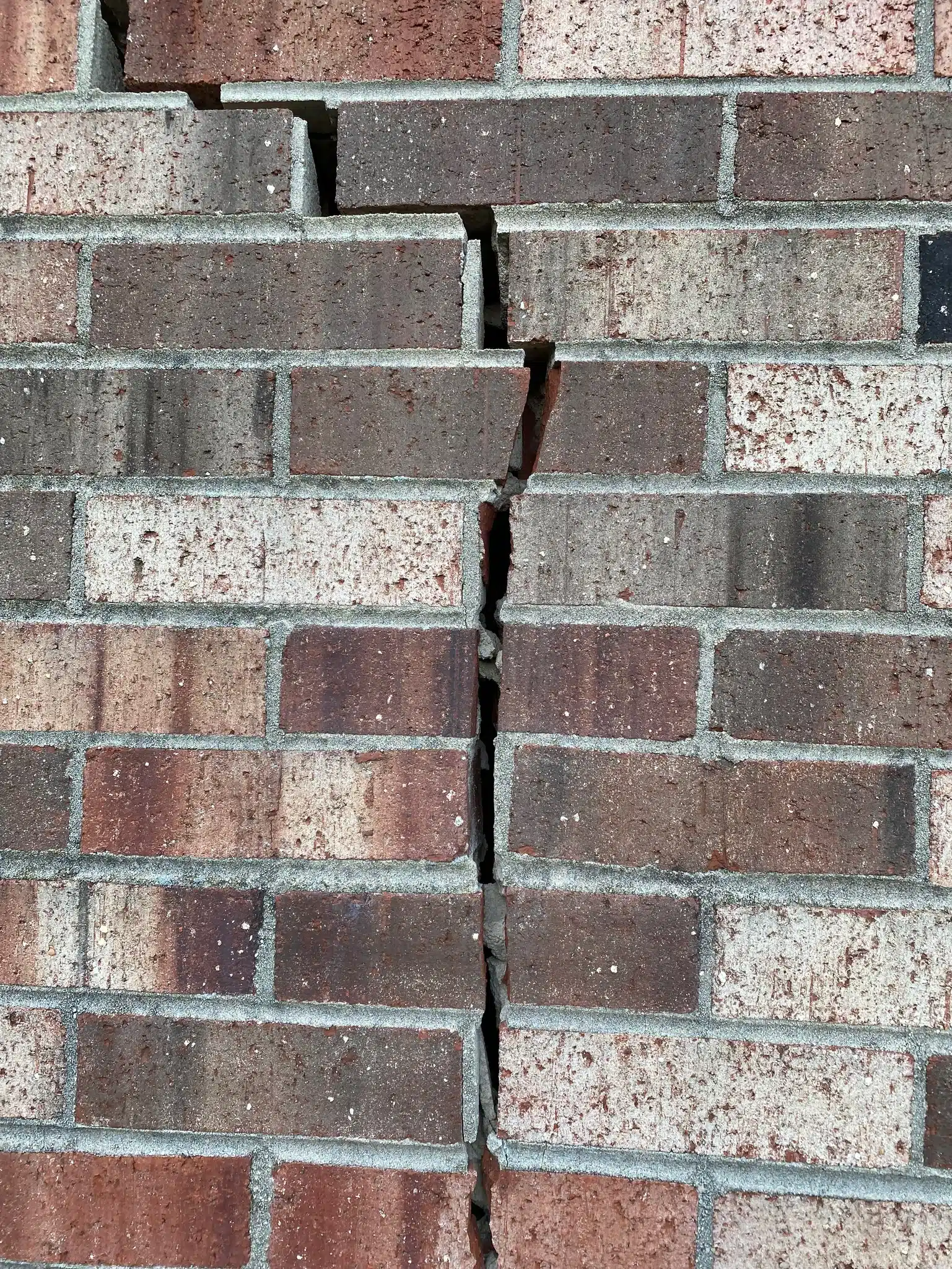
When homeowners think of threats to their foundation, they often imagine dramatic events: earthquakes, floods, or severe storms. However, one of the most common — and silent — causes of basement wall damage is something far less visible: hydrostatic pressure.
While you can’t see it with the naked eye, hydrostatic pressure can exert thousands of pounds of force against your basement walls every single day. Over time, this invisible enemy can create cracks, cause bowing walls, and lead to serious water infiltration problems that jeopardize your home’s structural integrity.
In this article, we’ll explore what hydrostatic pressure is, how it affects your basement, warning signs to watch for, and professional solutions that can protect your home for years to come.
🔑 Key Takeaways
- Hydrostatic pressure is the force exerted by water-saturated soil against basement walls.
- It can cause horizontal cracks, inward bowing, and water seepage.
- Poor drainage, improper grading, and heavy rain increase hydrostatic pressure.
- Solutions include exterior waterproofing, interior drainage systems, and wall reinforcements.
- Early detection and intervention prevent costly structural repairs.
What Is Hydrostatic Pressure?
Hydrostatic pressure refers to the force exerted by standing or slow-moving water against a surface. In the context of your home, it’s the pressure that groundwater in the surrounding soil exerts on your basement walls and floor.
Why Does It Happen?
When it rains or snow melts, the soil around your foundation absorbs water. In areas with poor drainage or heavy clay content, the soil retains moisture longer, becoming saturated. As water accumulates, it exerts outward pressure against any surfaces it contacts — in this case, your basement walls.
How Hydrostatic Pressure Affects Basement Walls
While your basement walls are designed to withstand soil pressure, they aren’t built to resist the added force of saturated soil indefinitely.
Horizontal Cracks
Hydrostatic pressure often causes horizontal cracks along the middle or lower section of basement walls. These cracks indicate that the wall is being pushed inward, a red flag for potential structural failure.
Bowing or Bulging Walls
Over time, continuous pressure can cause basement walls to bow or bulge inward. Even a small deviation from vertical can be a serious structural concern.
Water Seepage
As cracks form and widen, water begins to seep into the basement. This leads to dampness, mold growth, and potential damage to belongings and finished spaces.
Floor Slab Cracks
Hydrostatic pressure doesn’t only act sideways; it can also push upward against basement floors, causing cracks or heaving.
Factors That Increase Hydrostatic Pressure
Poor Exterior Drainage
If water isn’t effectively directed away from your home, it collects around the foundation, increasing saturation levels and pressure.
Improper Grading
When the ground slopes toward your home instead of away, rainwater and melting snow naturally pool near the foundation walls.
Heavy or Frequent Rainfall
Extended periods of rain or rapid snowmelt overwhelm the soil’s ability to drain, contributing to persistent pressure against your basement walls.
Clay-Rich Soils
Clay soils absorb and retain more water than sandy soils. Homes built on clay-heavy terrain are at higher risk of hydrostatic pressure damage.
Warning Signs of Hydrostatic Pressure Damage
Knowing what to look for can help you catch problems early before they escalate.
| Sign | What It Suggests |
|---|---|
| Horizontal cracks in walls | Pressure pushing the wall inward. |
| Bowed or bulging basement walls | Advanced lateral soil pressure damage. |
| Water stains or damp patches | Water infiltration through cracks. |
| Efflorescence (white mineral deposits) | Repeated water seepage. |
| Mold or musty odors | Ongoing moisture issues. |
| Floor cracks or heaving | Upward water pressure beneath slab. |
Risks of Ignoring Hydrostatic Pressure
Structural Failure
If left untreated, continuous inward movement can cause basement walls to collapse, resulting in extensive and expensive repairs.
Chronic Water Damage
Water intrusion damages stored belongings, finished walls, and flooring. Persistent dampness also leads to mold and poor indoor air quality.
Decreased Property Value
Foundation issues are a major red flag for potential buyers and can significantly reduce your home’s resale value.
Increased Repair Costs
What starts as a manageable crack or minor bowing can quickly escalate into full structural stabilization, which is far more costly and invasive.
Professional Solutions to Manage Hydrostatic Pressure
Exterior Waterproofing
A comprehensive approach that involves excavating around your foundation to:
- Apply waterproof membranes or coatings to the exterior walls.
- Install drainage boards to channel water downward.
- Add exterior French drains to redirect groundwater away from the foundation.
Interior Drainage Systems
If exterior excavation isn’t feasible, interior solutions include:
- Installing a perimeter drainage system (also called a drain tile system) beneath the basement floor.
- Connecting the system to a sump pump to remove water safely.
- Sealing cracks and wall joints to minimize seepage paths.
Wall Reinforcement
For walls that are already bowing or cracking:
- Carbon fiber straps: Bonded to the interior wall surface to halt further inward movement.
- Wall anchors: Installed through the wall into stable soil to gradually straighten and stabilize walls.
- Steel I-beams: Installed vertically to support and prevent further bowing.
Grading and Drainage Corrections
- Regrade your yard to slope away from your home.
- Extend downspouts at least 6–10 feet from the foundation.
- Clean and maintain gutters to prevent overflow.
Real-Life Example: Turning Pressure into Peace of Mind
A homeowner in Salem, VA, noticed small horizontal cracks forming in their basement walls and a musty odor after heavy rains. Over time, the cracks widened, and slight bowing became visible.
Seal-Tite Basement Waterproofing conducted a thorough assessment and determined that hydrostatic pressure from poor grading and inadequate drainage was the culprit.
Solution Implemented:
- Exterior excavation and application of waterproof membranes.
- Installation of an exterior French drain system.
- Interior carbon fiber straps to reinforce bowed walls.
- Grading corrections and extended downspouts.
After these repairs, not only was the basement dry, but the walls were stabilized, and the homeowner avoided a potential wall collapse and extensive structural repair costs.
FAQs: Hydrostatic Pressure and Basement Walls
Can I fix hydrostatic pressure issues myself?
Basic drainage improvements like extending downspouts can help, but addressing structural wall damage or major drainage problems should always be left to professionals.
Are horizontal cracks always caused by hydrostatic pressure?
Most horizontal cracks are related to lateral soil pressure, often from hydrostatic forces. However, each crack should be professionally evaluated to determine the exact cause.
Will interior waterproofing alone solve the problem?
Interior systems manage water after it enters. For full protection, especially when structural integrity is at risk, exterior waterproofing and wall reinforcement are usually necessary.
How long do wall reinforcements last?
Properly installed carbon fiber straps, wall anchors, and steel beams are designed as permanent solutions and often come with long-term or lifetime warranties.
How much does it cost to repair hydrostatic pressure damage?
Costs vary depending on severity and methods used. Interior drainage systems may start around $5,000, while exterior waterproofing and wall reinforcement can range from $10,000 to $25,000 or more.
Conclusion: Fight Back Against the Invisible Force
Hydrostatic pressure may be invisible, but its impact on your foundation is anything but. Over time, this silent force can undermine your home’s structural stability, compromise indoor air quality, and create expensive repair headaches.
The good news? With early detection and a comprehensive professional solution, you can stop hydrostatic pressure from turning your basement into a disaster zone.
If you’ve noticed cracks, bowing walls, or unexplained dampness, don’t wait. Contact Seal-Tite Basement Waterproofing today for a thorough foundation assessment. Our experienced team will help you develop a customized plan to keep your basement dry and your walls standing strong for years to come.
Your foundation deserves the same attention as your roof or siding — because the safety of your entire home depends on it.

Seal-tite Basement Waterproofing Co. is a full service basement environment contractor. We carry an A+ Better Business Bureau rating. We repaired over 40,000 homes and structures in Virginia, West Virginia, Tennessee, and North Carolina. We are fully insured and licensed. We have worked in all types of locations, including residential and commercial locations, government agencies, colleges, hospitals, churches, and condo associations.
Seal-tite® offers a lifetime transferable warranty. We carry a Class A Contractor’s License and we are fully insured. Our satisfied customers range from government agencies to businesses, hospitals, colleges, churches, and thousands of homeowners. Your home is probably the single largest investment you will make in your lifetime. Don’t wait, call Seal-tite® to help make your home dry, safe and livable.

