
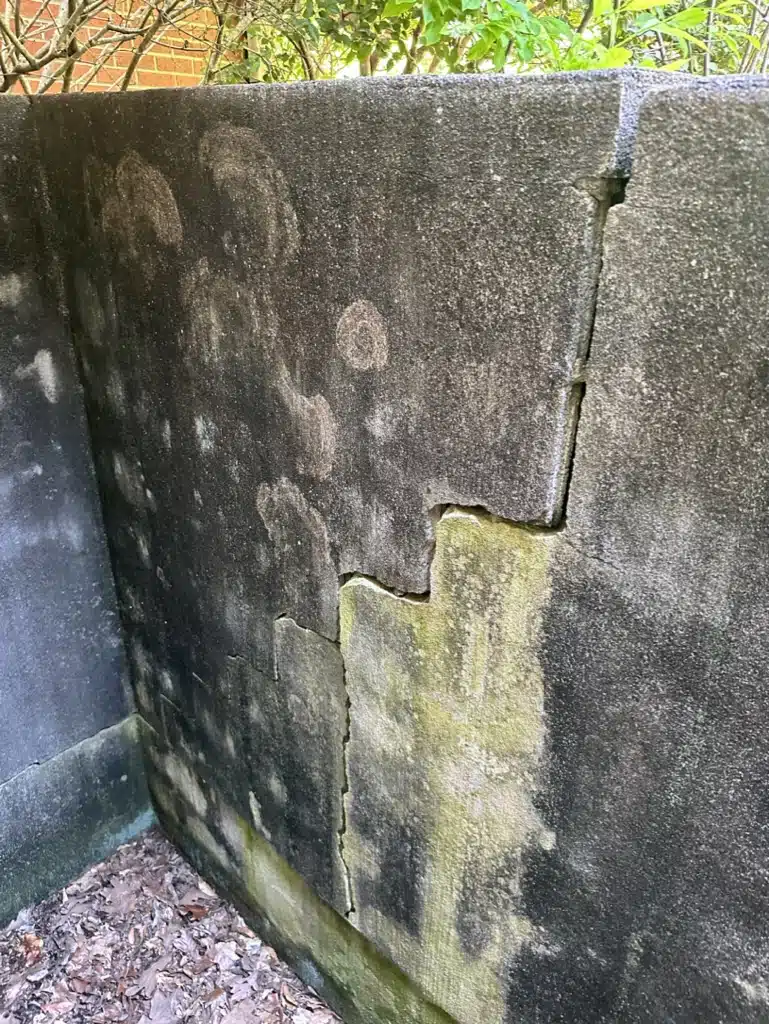
Have you ever noticed new cracks forming in your walls after a long dry summer? Or doors sticking right after a season of heavy rain? These aren’t just quirks — they could be signs your home’s foundation is shifting due to seasonal weather changes.
The movement of your home’s foundation throughout the year is a natural response to environmental conditions, especially soil moisture. While some movement is expected, excessive or uneven shifting can signal deeper issues that require professional attention.
In this article, we’ll explore how changing seasons affect your foundation, what signs to look for, and how to protect your home from long-term damage.
🔑 Key Takeaways
- Seasonal weather patterns cause soil to expand, contract, or shift — which affects your foundation.
- Signs of seasonal movement include wall cracks, uneven floors, and sticky doors.
- Homes built on expansive clay soils are especially vulnerable.
- Prevention includes proper drainage, soil moisture control, and annual foundation inspections.
- Professional stabilization can prevent future shifting and damage.
How the Seasons Impact Your Foundation
Your home’s foundation rests on soil — and soil is constantly influenced by the weather. From wet springs to dry summers and freezing winters, the ground beneath your house goes through cycles of expansion and contraction that can compromise its stability.
Spring: The Wet Season
Spring typically brings more rainfall and thawing snow. This increases soil saturation, particularly in clay-heavy regions. As the soil soaks up water, it expands, putting lateral pressure on foundation walls and lifting parts of the slab or footing.
Summer: The Dry Season
Hot, dry conditions lead to soil contraction. The water evaporates from the ground, causing clay-based soils to shrink. This creates voids beneath the foundation, leading to uneven support and downward movement, or settlement.
Fall: The Transition Phase
As temperatures begin to drop, the soil may retain moisture differently in shaded versus sunny areas of your property. This causes differential movement, where one part of the foundation shifts more than another — a common cause of cracks.
Winter: The Freeze-Thaw Cycle
In colder climates, water in the soil freezes and expands. This can heave the foundation upward. When the ice thaws, the soil settles again, creating a pattern of stress that worsens existing cracks or creates new ones.
Which Homes Are Most Vulnerable?
Some properties are more likely to experience seasonal foundation movement than others. Here’s what increases the risk:
Expansive Clay Soils
These soils are most susceptible to moisture changes. In areas like Virginia, clay-rich ground is common and highly reactive to rain and drought cycles.
Poor Drainage
If water isn’t directed away from your home properly, it can pool near the foundation, increasing saturation and pressure during rainy seasons.
Lack of Soil Moisture Management
Letting the soil dry out completely during hot months and then quickly re-saturate with the first rains leads to more extreme movement.
Older Homes or Poor Construction
Foundations that weren’t properly designed or reinforced are more likely to suffer from seasonal stress.
Signs Your Foundation Is Shifting With the Weather
Many homeowners notice small changes around the house with each season, but don’t connect them to foundation movement. Here are the most common indicators:
| Sign | What It Suggests |
|---|---|
| Vertical or diagonal wall cracks | Settlement or shifting caused by soil movement. |
| Horizontal cracks in basement walls | Lateral pressure from expanding saturated soil. |
| Uneven or sloping floors | Differential settlement beneath the structure. |
| Sticking doors and windows | Frame warping from shifting foundation. |
| Gaps between walls and ceiling | Movement pulling structural elements apart. |
| Water seepage in the basement | Pressure forcing moisture through cracks. |
These signs may worsen or improve with the seasons — a key clue that the weather is involved.
Why You Shouldn’t Ignore Seasonal Shifts
While some foundation movement is normal, recurring seasonal changes can weaken the structure over time. Here’s why it matters:
Structural Damage Builds Slowly
Each cycle of expansion and contraction adds stress to the foundation and structure above it. Over the years, cracks widen, walls shift, and supports weaken.
Small Problems Become Expensive Repairs
Addressing early signs like small cracks or minor settlement can be relatively inexpensive. Waiting until walls bow or the structure becomes unstable requires extensive repairs — sometimes costing tens of thousands of dollars.
Water Intrusion Risks Increase
Foundation movement opens pathways for water to enter your basement or crawlspace. This can lead to mold, rot, and damage to finished living spaces or stored items.
Property Value Drops
Foundation issues are a red flag for homebuyers and inspectors. A shifting foundation can delay or reduce the value of a future sale.
How to Protect Your Home from Seasonal Movement
1. Maintain Consistent Soil Moisture
Avoid extreme soil dryness by lightly watering the soil around your foundation during hot, dry months — especially near clay-rich areas.
2. Improve Drainage
- Grade your yard so it slopes away from the house.
- Keep gutters clean and extend downspouts 6–10 feet from the foundation.
- Install French drains if water consistently pools near the structure.
3. Monitor Cracks and Structural Changes
Use a pencil or marker to note the size and position of cracks. Take photos seasonally to track whether they are stable or worsening.
4. Schedule Routine Foundation Inspections
An annual or biannual inspection by a foundation specialist can detect early signs of seasonal damage and recommend solutions before repairs become major.
5. Consider Foundation Reinforcement
If your home has a history of movement, stabilization techniques such as helical piers, push piers, or wall reinforcements can provide long-term peace of mind.
Real-Life Example: Weather-Driven Foundation Trouble
A homeowner in Salem, VA, began noticing cracks above interior doors every summer and a musty smell in the basement during spring. Initially dismissed as seasonal quirks, the problems became worse over the years.
Seal-Tite Basement Waterproofing performed an inspection and discovered:
- Expansive clay soil causing cyclical settlement.
- Poor grading near the back of the property.
- Early signs of inward bowing on one basement wall.
Solution Provided:
- Installed helical piers to stabilize the shifting foundation.
- Regraded the yard and extended all downspouts.
- Sealed basement cracks and installed a perimeter interior drainage system.
The result: year-round stability, no more recurring damage, and a significantly safer home.
FAQs: Seasonal Foundation Movement
Is some foundation movement normal?
Yes — small, seasonal shifts are expected. What’s not normal is worsening damage like enlarging cracks or increasingly uneven floors.
Can I stop my foundation from moving completely?
Not entirely, but you can minimize and stabilize the movement through proper drainage, moisture management, and reinforcement when needed.
How much does it cost to fix seasonal foundation damage?
It depends on the severity. Crack sealing and drainage upgrades may cost a few hundred to a few thousand dollars. Structural repairs like piering may range from $5,000 to $25,000+.
Should I water the soil around my house?
In dry climates or clay-heavy soil, controlled watering helps prevent shrinkage. Avoid overwatering, which can cause soil swelling.
When should I call a foundation professional?
If you notice cracks expanding seasonally, uneven floors, or water intrusion, it’s time for a professional inspection.
Conclusion: Your Foundation Deserves Year-Round Protection
The changing seasons are inevitable — but seasonal damage to your foundation doesn’t have to be. Whether it’s spring rains, summer heat, or winter freezes, your home is constantly affected by shifting soil conditions. Recognizing these effects early and taking preventive action can save you money, stress, and major repairs down the line.
If you’ve noticed recurring signs of movement with the seasons, don’t wait for the damage to escalate. Contact Seal-Tite Basement Waterproofing for a professional foundation evaluation. Our team is trained to detect seasonal stress patterns and recommend customized, long-term solutions to keep your home safe — no matter the weather.

Seal-tite Basement Waterproofing Co. is a full service basement environment contractor. We carry an A+ Better Business Bureau rating. We repaired over 40,000 homes and structures in Virginia, West Virginia, Tennessee, and North Carolina. We are fully insured and licensed. We have worked in all types of locations, including residential and commercial locations, government agencies, colleges, hospitals, churches, and condo associations.
Seal-tite® offers a lifetime transferable warranty. We carry a Class A Contractor’s License and we are fully insured. Our satisfied customers range from government agencies to businesses, hospitals, colleges, churches, and thousands of homeowners. Your home is probably the single largest investment you will make in your lifetime. Don’t wait, call Seal-tite® to help make your home dry, safe and livable.

