Seal-Tite provides affordable and professional basement waterproofing in TN, VA, WV, and NC.
Slab Foundation Problems: What You Need to Know
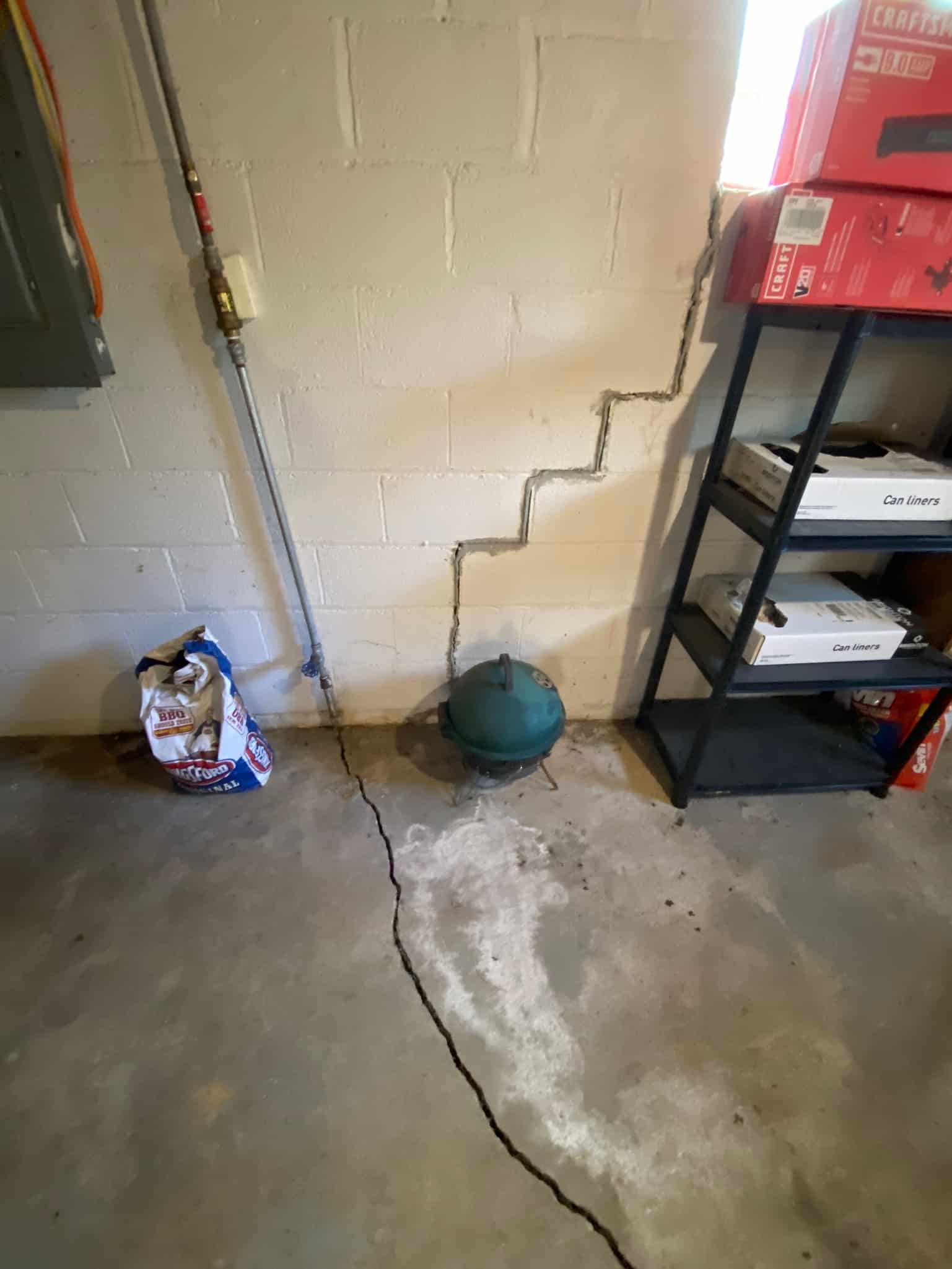
You’ve probably noticed those little cracks in your concrete slab foundation, or perhaps doors and windows that just don’t close like they used to. These could be signs that your slab foundation is experiencing problems, often tied to shifting soil, poor drainage, or even construction errors. But don’t panic, understanding the issue is the first step to resolving it. And who knows, after gaining a deeper understanding, you might even be able to prevent future problems. But what exactly causes these issues, and more importantly, how can they be fixed?
Key Takeaways
Slab foundations can develop issues like cracks and shifts, with symptoms like sticking doors, unlevel floors, and interior wall cracks.
Factors like ground movement, drainage issues, tree root pressure, and construction flaws can cause these foundation problems.
Soil conditions significantly impact slab foundation health, with soil moisture levels, stability, and type playing crucial roles.
Repair methods for slab foundations include slab jacking, slab reinforcement, improved drainage systems, underpinning, and crack sealing.
Preventive strategies include regular maintenance, implementing drainage solutions, managing irrigation, proper landscaping, and foundation insulation.
Understanding Slab Foundations
Before we dive into the problems, let’s first understand what slab foundations are. They’re a type of foundation that’s built directly on the ground, with no space or basement underneath. This foundation type is a popular choice due to its cost-effectiveness and ease of construction.
Now, when you’re looking at slab foundation types, there are three main ones you should know about: slab-on-grade, frost-protected, and heated slab.
Slab-on-grade foundations are the simplest kind. They’re just a concrete slab poured on the ground level. Frost-protected foundations, on the other hand, are built with insulation to protect against freezing temperatures. Lastly, heated slab foundations have in-floor heating systems.
Moving onto slab foundation materials, you’ll find that concrete is the most common. It’s strong, durable, and resistant to fire and pests.
However, you might also come across slabs made of stone or brick. Regardless of the material used, proper construction is critical to ensure stability and longevity.
Common Slab Foundation Issues
You’re likely to encounter various issues with slab foundations, but two stand out as especially common: cracks and shifts.
Identifying cracks in your slab foundation is a critical first step to addressing the problem.
Understanding the causes behind foundation shifts can also help you prevent future damage.
Identifying Slab Foundation Cracks
Your home’s integrity depends heavily on the stability of its slab foundation. But, how do you know when there’s a problem? One of the most common signs of trouble is the appearance of cracks. Properly identifying crack types and repair signs is crucial.
When examining your foundation:
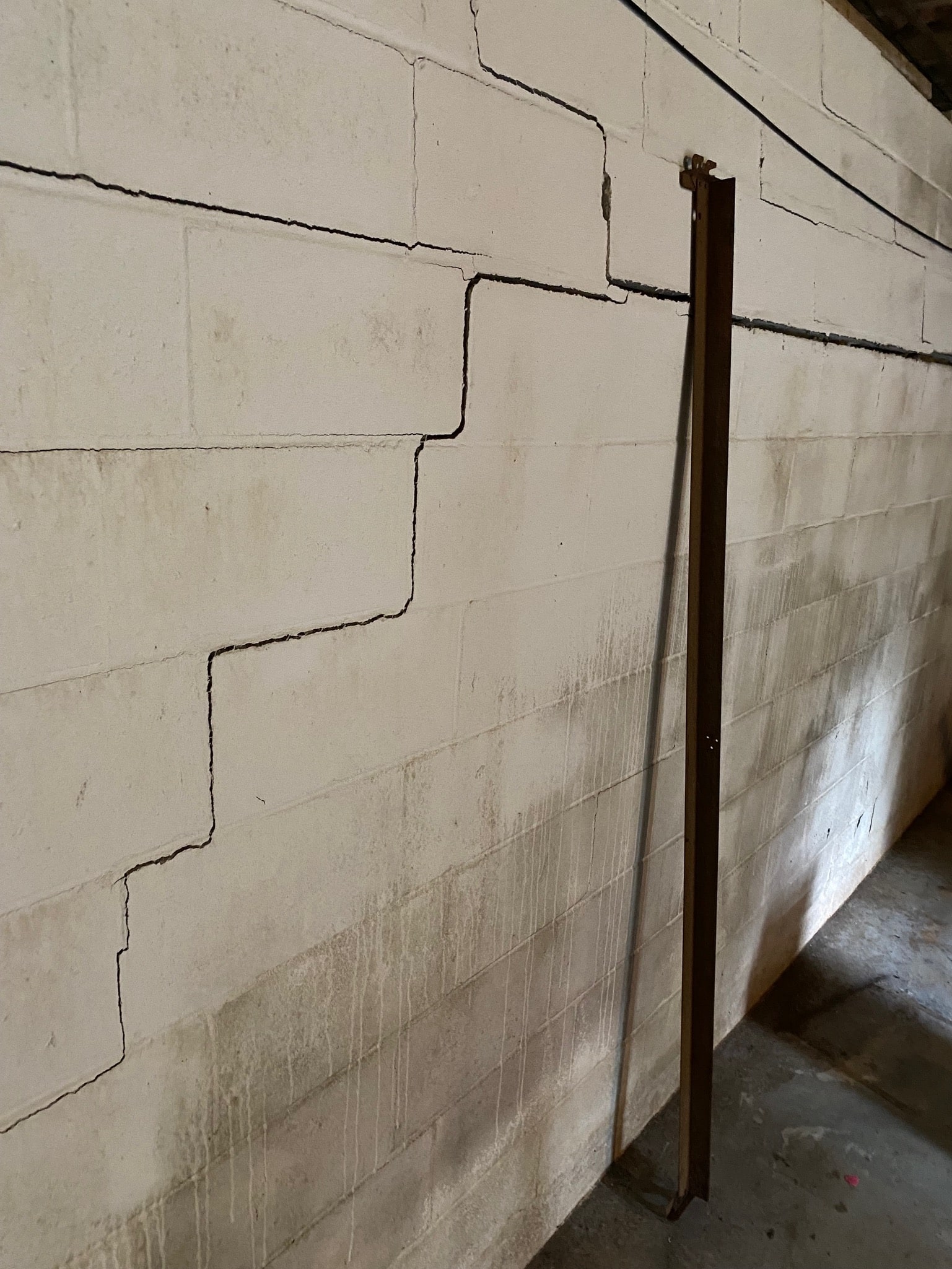
Look for horizontal cracks. They’re serious indicators of pressure buildup.
Vertical cracks, while less severe, still demand attention.
Diagonal cracks suggest uneven settling of your foundation.
Wide cracks or gaps, particularly those wider than 1/8 inch, are red flags.
Recurring cracks after repair might suggest deeper structural issues.
Repair signs aren’t always as clear as the cracks themselves. It’s typically a good idea to seek professional input. However, there are common signs you can watch for:
Doors or windows that stick or don’t close properly are often an early warning.
Unlevel or sloping floors could indicate slab foundation problems.
Cracks in your interior walls or ceilings are also key signs.
External signs include displacement or rotation of walls.
Moisture or dampness under carpets might suggest a slab leak.
Remember to act quickly when you spot these signs to preserve your home’s integrity.
Causes of Foundation Shifts
Why do slab foundations shift in the first place? The reasons can be many and varied, but let’s focus on the most common ones.
Ground movement, for starters, can lead to shifting. If the soil beneath your foundation moves due to natural events or human activities, it can cause your foundation to move as well.
Drainage issues and moisture imbalance can also play a major role. If water isn’t properly drained away from your home, it can cause soil erosion and create pressure that pushes against your foundation. On the other hand, too little moisture can lead to soil compaction, another common reason for foundation shifting.
Tree roots can exert pressure on your foundation, causing it to move. Seasonal changes can lead to soil expansion and contraction, leading to shifting.
Construction flaws, such as improper soil preparation or use of subpar materials, can set the stage for future problems.
In essence, it’s important to understand that foundation shifting can be caused by a multitude of factors, and often, it’s a combination of several. Awareness helps you to address these issues promptly and prevent further damage to your foundation.
Causes of Foundation Cracks
You might be wondering what causes foundation cracks.
It’s crucial to know how to identify these cracks and understand the impact of soil conditions on your foundation.
Let’s get into these two key factors and start tackling these issues.
Identifying Foundation Cracks
Cracks in the foundation can be a homeowner’s nightmare, often signaling deeper, underlying issues. But don’t panic just yet. The key isn’t only to identify these cracks but also to understand their causes.
You need to familiarize yourself with crack types. Variations in size, direction, and pattern can indicate different issues affecting your home’s structural integrity. Hairline cracks may simply be due to settling, while wider, horizontal cracks could suggest serious pressure issues.
Next, consider the moisture effects. Are the cracks in areas prone to dampness or water leakage? Moisture can cause the foundation to expand and contract, leading to cracks.
So, how do you go about doing all this? Here are some inspection techniques:
Look for cracks in the floors and walls
Check for doors and windows that stick
Inspect the exterior of your house
Keep an eye for uneven floors
Use a screwdriver to test the strength of the concrete
After identifying the problem, you’ll need to explore repair options. Depending on the severity, these could range from simple sealing to major structural interventions.
Impact of Soil Conditions
Soil conditions play a critical role in the health of your home’s foundation. Variations in soil moisture can lead to soil expansion or compaction, both of which can cause foundation cracks. Different soil types react differently to moisture, so it’s important to understand the type of soil your home is built on.
Proper soil drainage is essential to maintain the right soil moisture level and prevent soil erosion. Poor drainage can result in water accumulating around your foundation, causing soil expansion and putting pressure on the foundation. On the other hand, too much drainage can lead to soil compaction and settlement, creating gaps under your foundation.
Soil stabilization techniques can help manage these problems, but it’s best to address the underlying soil conditions to prevent future issues. Here’s a quick overview of how soil conditions can impact your foundation:
Soil Condition
Potential Problem
Solution
Soil Expansion
Pressure on foundation
Soil stabilization
Soil Compaction
Gaps under foundation
Improve drainage
Soil Erosion
Foundation instability
Control soil moisture
The Impact of Soil Conditions
Understanding the impact of soil conditions on slab foundations is crucial. Your home’s stability is directly affected by the soil it’s resting on. Soil types, soil moisture, and soil stability can all contribute to potential problems.
Here’s why:
Soil Moisture: This plays a crucial role in soil stability. Too much or too little moisture can lead to compaction issues or expansion soil, which can damage your foundation.
Soil Stability: Unstable soil can shift beneath your home, leading to cracks or unevenness in your foundation.
Compaction Issues: Compacted soil can prevent proper drainage, causing water to pool and potentially damage your foundation.
Drainage Solutions: It’s important to ensure your property has proper drainage solutions in place to prevent soil erosion.
Soil Types: Different soil types have different properties. Clay soils, for instance, can expand when wet, leading to foundation issues.
If you’re worried about potential problems, soil testing should be your first step. This can identify any issues and help you decide on the best course of action for your home.
Soil conditions can greatly impact the integrity of your slab foundation. Don’t overlook their importance.
Signs of Slab Foundation Damage
You might be wondering how to spot slab foundation damage and what it might mean for your property’s value.
First, let’s talk about identifying damage symptoms – the telltale signs that your foundation might be in trouble.
Once you know what to look for, we’ll discuss how these issues can affect your home’s worth.
Identifying Damage Symptoms
Over time, even the sturdiest of slab foundations can begin to show signs of damage.
It’s crucial that you’re able to identify these symptoms early on to mitigate any potential harm. Observing your slab foundation regularly is key, and there are specific signs you should be on the lookout for.
Here are five symptoms to watch out for:
Crack Width: Not all cracks are a sign of severe damage. However, if you notice cracks wider than 1/8 of an inch, it’s a red flag. The wider the crack, the more serious the issue.
Moisture Levels: High moisture levels around your foundation can indicate a problem. Excess moisture can lead to soil expansion, increasing pressure on the slab.
Uneven or sloping floors: If your floors are no longer level, it could be a sign of foundation shifting.
Doors and windows not closing properly: This could be another sign of a shifting foundation.
Gaps between the wall and the floor or ceiling: This signals your house might be settling more than it should.
Impact on Property Value
Spotting signs of slab foundation damage early can significantly affect your property’s value.
It’s not just about repairing the damage; it’s also about understanding the potential impact on market trends and your home’s resale value.
Let’s consider this scenario: you’re looking to sell your property. An astute buyer, or a thorough home inspector, identifies signs of slab foundation damage.
This discovery could lead to a reduction in your property’s perceived value. Even if market trends are on your side, with property values increasing, the presence of such damage can reverse this advantage.
Additionally, if word gets around about these issues, it could deter potential buyers, causing your property to stay on the market for longer than expected.
Evaluating Foundation Slope Issues
In the realm of slab foundation problems, evaluating foundation slope issues proves to be of paramount importance. You need to understand the significance of these issues and how they can affect your property. A professional slope analysis is a great start. It can provide a comprehensive overview of the extent and severity of any foundation slope problems your property may have.
To better understand, let’s look at some key components of evaluating foundation slope issues:
Slope Analysis: This process involves analyzing the slope of your property to identify any areas of concern. It’s often the first step in diagnosing potential foundation problems.
Grading Techniques: These are methods used to adjust the slope of your property to improve drainage and reduce the risk of foundation issues.
Impact on Property: Significant slope issues can potentially lead to severe structural damage and decrease the value of your property.
Potential Solutions: Depending on the severity of the slope issue, various solutions might be considered, from minor grading adjustments to more extensive foundation repairs.
Professional Help: Always consult a professional when dealing with foundation slope issues. They’ll have the expertise and equipment to effectively diagnose and address your situation.
Dealing With Foundation Shrinkage
While slope issues can significantly impact your property, another concern you may encounter is foundation shrinkage. This problem often occurs when the soil beneath your foundation loses moisture and contracts, causing your foundation to shrink along with it.
Now, you’re probably wondering, “What can I do about it?” Well, part of the solution lies in foundation maintenance and soil moisture management.
Foundation maintenance is key to preventing shrinkage. Regular checks for cracks or other signs of damage can alert you to shrinkage before it becomes a serious problem.
It’s also essential to maintain a consistent soil moisture level around your foundation. Dramatic changes in soil moisture can lead to shrinkage, so try to keep the area around your foundation as consistently moist as possible. This can be achieved by appropriate landscaping and regular watering.
Unexpected changes in soil moisture can lead to foundation shrinkage, but you can combat this issue with proactive foundation maintenance and soil moisture management.
Repair Methods for Slab Foundations
When your slab foundation starts showing signs of trouble, you need to take action quickly. Tackling the problem early can prevent more extensive damage down the line.
There are several effective repair methods that you can use to address these issues.
Slab Jacking: This involves pumping a mixture under the slab to raise it back to its original position. It’s a quick and cost-effective solution.
Slab Reinforcement: This method uses steel or carbon fiber to reinforce the slab, increasing its strength and stability. Slab reinforcement is a reliable long-term solution.
Foundation Drainage: Improving your foundation drainage can help prevent water-related issues. This includes installing better gutters, downspouts, and drain tiles.
Underpinning: This method strengthens the foundation by extending it deeper into the ground. It’s an effective way to address instability caused by soil issues.
Sealing Cracks: This is a simple but essential step to prevent water intrusion, which can lead to further damage.
Prevention Strategies for Foundation Problems
You might think that dealing with slab foundation problems is a hassle, but preventing them is far simpler. Regular maintenance is key. It involves seasonal monitoring of the foundation for cracks or movement, as well as soil testing to ensure that the ground isn’t settling unevenly.
Drainage solutions, like a sump pump, can help prevent water damage, while irrigation management ensures that the ground around your home doesn’t become oversaturated. Both of these are essential for moisture control. Too much moisture can cause the foundation to shift, while too little can lead to cracking.
Landscaping choices also play a crucial role in prevention. Proper landscaping grading directs water away from the foundation, preventing potential damage.
Foundation insulation isn’t just for energy efficiency; it also reduces the risk of foundation problems by preventing moisture buildup.
Hiring a Professional Foundation Inspector
Despite the best prevention efforts, slab foundation problems can still sneak up on you. That’s where hiring a professional foundation inspector comes in. When you’re facing potential problems, you can’t afford to gamble. That’s why you need professional services.
A foundation inspection by a certified professional can save you from future headaches. They’ll provide a comprehensive assessment of your property’s foundation, identifying any existing or potential issues.
When hiring a professional, consider the following:
Ensure they’ve the appropriate qualifications and certifications.
Ask about their experience specifically with slab foundations.
Request references from previous clients.
Inquire about their inspection process and what it includes.
Discuss fees upfront to avoid any surprises.
Frequently Asked Questions
What Is the Typical Lifespan of a Slab Foundation?
You’re probably wondering how long a slab foundation lasts. Typically, it’s around 50 to 100 years, depending on factors like soil conditions and maintenance.
Regular slab foundation maintenance is crucial, as neglecting it can shorten its lifespan. Remember, problems aren’t always evident, so regular checks are important.
If you’re proactive, you’ll extend your slab foundation’s lifespan and save yourself hassles down the line.
Are There Specific Insurance Policies Covering Slab Foundation Problems?
Yes, there are specific insurance policies that cover slab foundation problems.
However, it’s crucial you understand the policy limitations. Not every insurance covers all types of foundation issues.
Typically, you’re protected against sudden, unexpected events like a burst pipe causing water damage. Routine wear and tear or issues from faulty construction mightn’t be covered.
Always review your policy thoroughly and discuss any concerns with your insurance agent.
Does a Slab Foundation Problem Affect the Propertys Resale Value?
Yes, a slab foundation problem can significantly affect your property’s resale value.
Potential buyers often factor repair implications into their offers, which can lead to lower bids. Additionally, unresolved issues can deter buyers completely.
Therefore, addressing these problems promptly and professionally is crucial for maintaining your home’s value.
How Much Time Does It Take to Repair a Slab Foundation?
The repair duration for a slab foundation depends on the severity of the problem.
After a thorough foundation assessment, minor issues might be fixed within a few days.
However, more complex repairs can take several weeks.
It’s crucial to remember that rushing the process isn’t advisable.
You’ll want the job done right to prevent future issues.
Patience is key when dealing with foundation repairs.
Are There Any Environmental Impacts Associated With Slab Foundation Repairs?
Yes, there are environmental considerations when repairing slab foundations.
You’re often dealing with heavy machinery and materials, which can disrupt the surrounding soil and vegetation.
Some repair techniques may also generate waste that needs proper disposal.
It’s important for you to choose contractors who are mindful of their environmental impact and employ sustainable practices.
So, you’ve got the lowdown on slab foundation issues. Remember, early detection is key, so keep an eye out for cracks, uneven floors, and sticking doors. Soil conditions and construction flaws can cause problems, but there are effective repair methods and preventative strategies. If in doubt, don’t hesitate to call in a professional inspector. Taking care of your foundation is crucial in maintaining your home’s structural integrity.
Seal-tite Basement Waterproofing Co. is a full service basement environment contractor. We carry an A+ Better Business Bureau rating. We repaired over 40,000 homes and structures in Virginia, West Virginia, Tennessee, and North Carolina. We are fully insured and licensed. We have worked in all types of locations, including residential and commercial locations, government agencies, colleges, hospitals, churches, and condo associations.
Seal-tite® offers a lifetime transferable warranty. We carry a Class A Contractor’s License and we are fully insured. Our satisfied customers range from government agencies to businesses, hospitals, colleges, churches, and thousands of homeowners. Your home is probably the single largest investment you will make in your lifetime. Don’t wait, call Seal-tite® to help make your home dry, safe and livable.