
Imagine coming home to a dry, mold-free basement sounds perfect, doesn’t it? The key lies in waterproofing. Not only does it protect your home from potential structural damage, but it also reduces the risk of health issues associated with dampness and mold. But how do you tackle this task effectively? What are the best methods, and how do you maintain it once it’s done? You’re about to uncover the answers to these pressing questions and more.
Understanding Basement Moisture Sources
Often, the first step in waterproofing your basement is understanding the sources of moisture. Moisture in your basement can stem from both external and internal sources. Rain and groundwater can seep into your basement through cracks and holes in your home’s foundation. Snowmelt can also result in excess water that may find its way into your basement. These are examples of external sources.
Internal sources, on the other hand, are often overlooked. Activities such as cooking, showering, and even breathing can increase humidity levels within your home, leading to potential moisture problems. Faulty plumbing and poorly ventilated appliances like dryers and water heaters can also contribute to moisture buildup.
Understanding these sources is essential as it allows you to identify the root cause of the problem. Once you’ve pinpointed where moisture is coming from, you’re better equipped to tackle it effectively.
Remember, successful waterproofing isn’t just about addressing visible dampness or leaks; it’s about managing and controlling all sources of moisture. After all, prevention is always better than cure.
 Evaluating Your Basement’s Vulnerability
Regularly evaluating the vulnerability of your basement to water damage is a critical step in effective waterproofing. Your basement’s susceptibility to water infiltration can change over time due to multiple factors. It’s crucial to assess your home’s foundation and the surrounding landscape periodically.
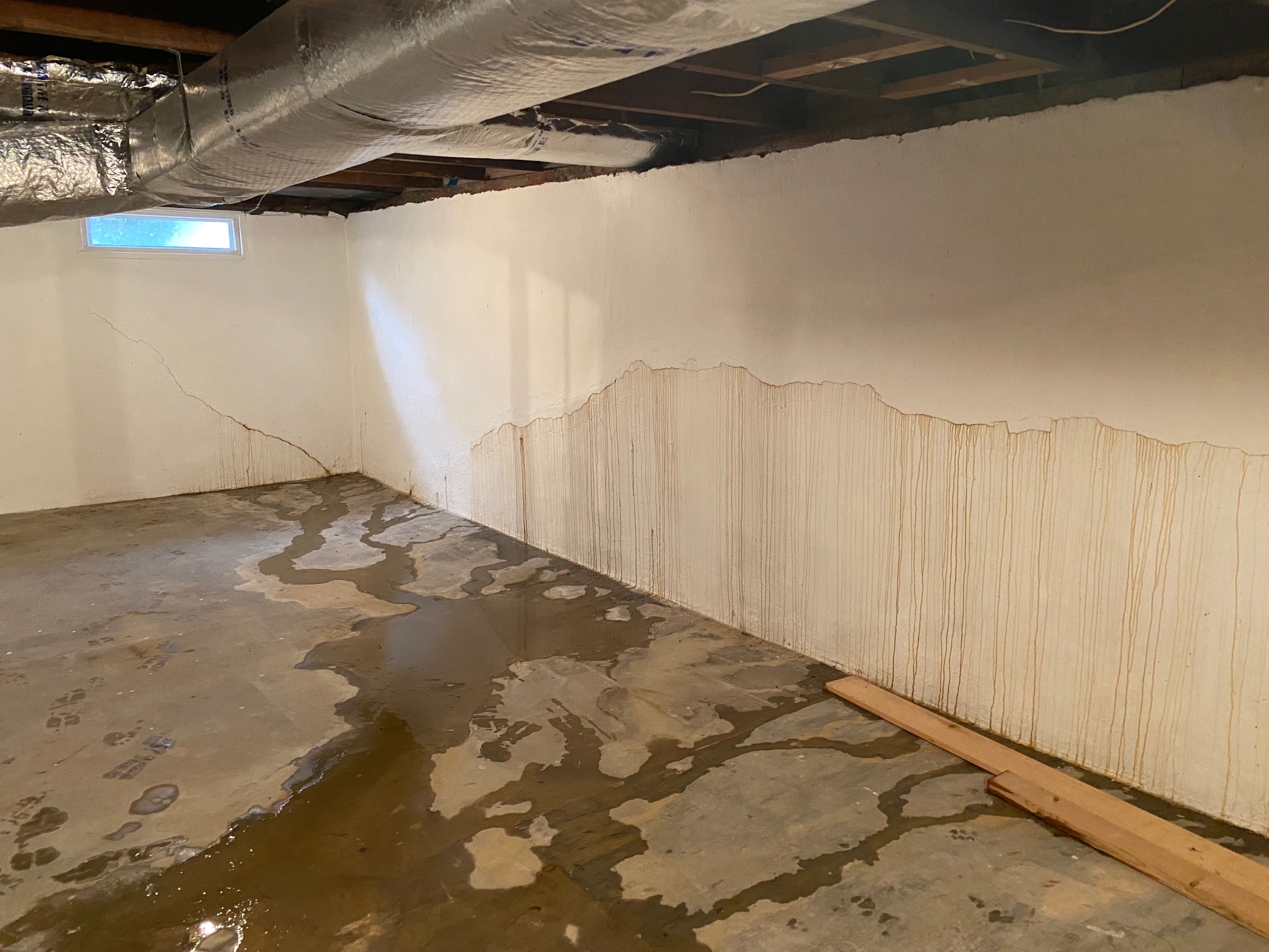
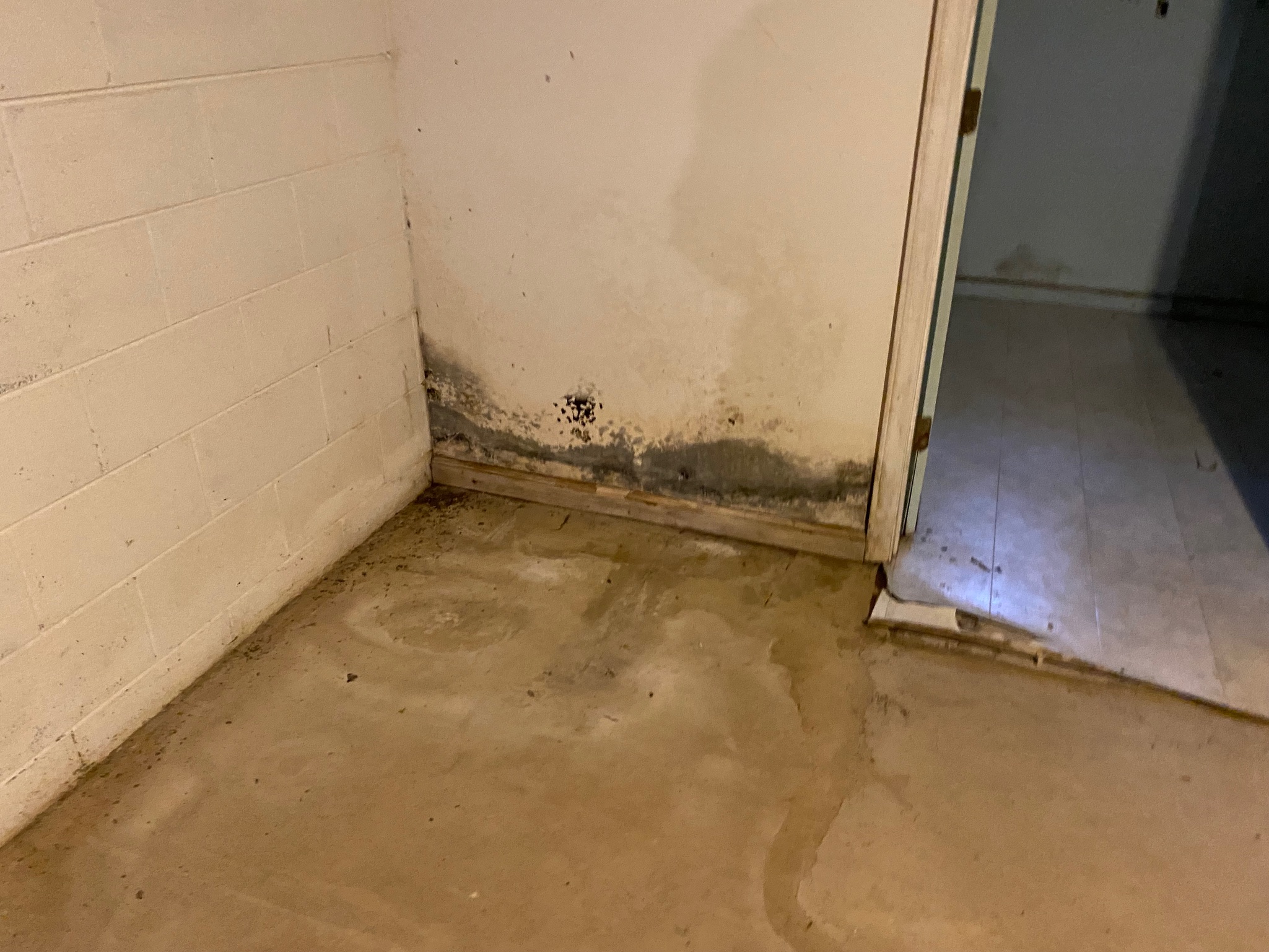
Start by inspecting the interior of your basement. Look for signs of dampness, like discoloration on walls and floors, peeling paint, or a musty smell. These are clear indicators of water intrusion. You should also check for cracks and gaps in the foundation. These can serve as entry points for water, especially during heavy rains.
Next, evaluate the exterior of your home. The grading of your landscape plays a significant role in water redirection. If the ground slopes towards your house, it could funnel water towards your basement. Verify that your gutters and downspouts are functioning correctly, directing water away from your home’s foundation.
Lastly, consider the local climate and weather patterns. If your area experiences heavy rainfall or snow, your basement may be more vulnerable to water damage.
Choosing the Right Waterproofing Methods
Numerous waterproofing methods exist to safeguard your basement against potential water damage. The best method depends on the specific issues your basement is facing. These may include seepage, condensation, or flooding. Understanding the root cause is essential as it helps in selecting the most effective method.
Common methods include interior sealants, interior water drainage, exterior waterproofing, and foundation crack injections.
Interior sealants, applied to the inside of your basement, are a quick fix for minor dampness. For more severe issues, interior water drainage may be your best bet. This method involves installing a drainage system inside the basement to divert water away.
Exterior waterproofing is the most extensive and costly method, but it provides the best protection. It involves excavating around the house to install a waterproof barrier.
 Implementing Basement Waterproofing Solutions
Your basement’s transformation into a dry and safe space begins with the implementation of your chosen waterproofing solution. This step is essential and involves a combination of methods tailored to your basement’s specific issues.
First, if you’ve opted for interior waterproofing, you’ll seal cracks and holes in the walls and floor with a waterproofing sealant. This prevents any moisture from seeping into your basement. A sump pump could also be installed to remove water that has accumulated.
Exterior waterproofing, on the other hand, involves applying a waterproof coating or membrane on the outside walls of your basement to prevent water from entering. You might also need to install a French drain system to divert water away from your home’s foundation.
Foundation repairs may be necessary if structural issues are causing water leaks. These could include fixing cracks, straightening walls, or even replacing portions of the foundation.
Lastly, consider moisture control solutions such as dehumidifiers to maintain a dry environment. This is particularly important in basements prone to dampness or high humidity.
Maintaining Your Waterproofed Basement
After successfully implementing the chosen waterproofing solutions, the next task is to guarantee its longevity with proper maintenance.
It’s not enough to just waterproof your basement; you must also take steps to assure that the waterproofing lasts for years to come.
Start by regularly checking for leaks or moisture. Even a small leak can lead to extensive damage over time.
Don’t ignore damp spots, they’re often the first sign of a problem. If you find any, take immediate action to fix them.
Next, keep an eye on your sump pump. It’s a crucial part of your basement waterproofing system and it needs to be in top shape to work effectively.
Test it regularly, especially before periods of heavy rain. If it’s not working, get it repaired or replaced promptly.
Lastly, control the humidity. High humidity can undo your waterproofing efforts.
Invest in a quality dehumidifier to keep the basement dry and prevent mold growth.
By battling basement moisture, you’re bolstering your home’s health. Protecting against potential problems preemptively promotes peace of mind. With water woes warded off, your waterproofed basement becomes a bastion of safety, shielding your structure from significant damage. Keep a keen eye for maintenance, ensuring enduring effectiveness. Remember, a well-kept, waterproofed basement is a wonderful win for your healthful home.

Seal-tite Basement Waterproofing Co. is a full service basement environment contractor. We carry an A+ Better Business Bureau rating. We repaired over 40,000 homes and structures in Virginia, West Virginia, Tennessee, and North Carolina. We are fully insured and licensed. We have worked in all types of locations, including residential and commercial locations, government agencies, colleges, hospitals, churches, and condo associations.
Seal-tite® offers a lifetime transferable warranty. We carry a Class A Contractor’s License and we are fully insured. Our satisfied customers range from government agencies to businesses, hospitals, colleges, churches, and thousands of homeowners. Your home is probably the single largest investment you will make in your lifetime. Don’t wait, call Seal-tite® to help make your home dry, safe and livable.

