
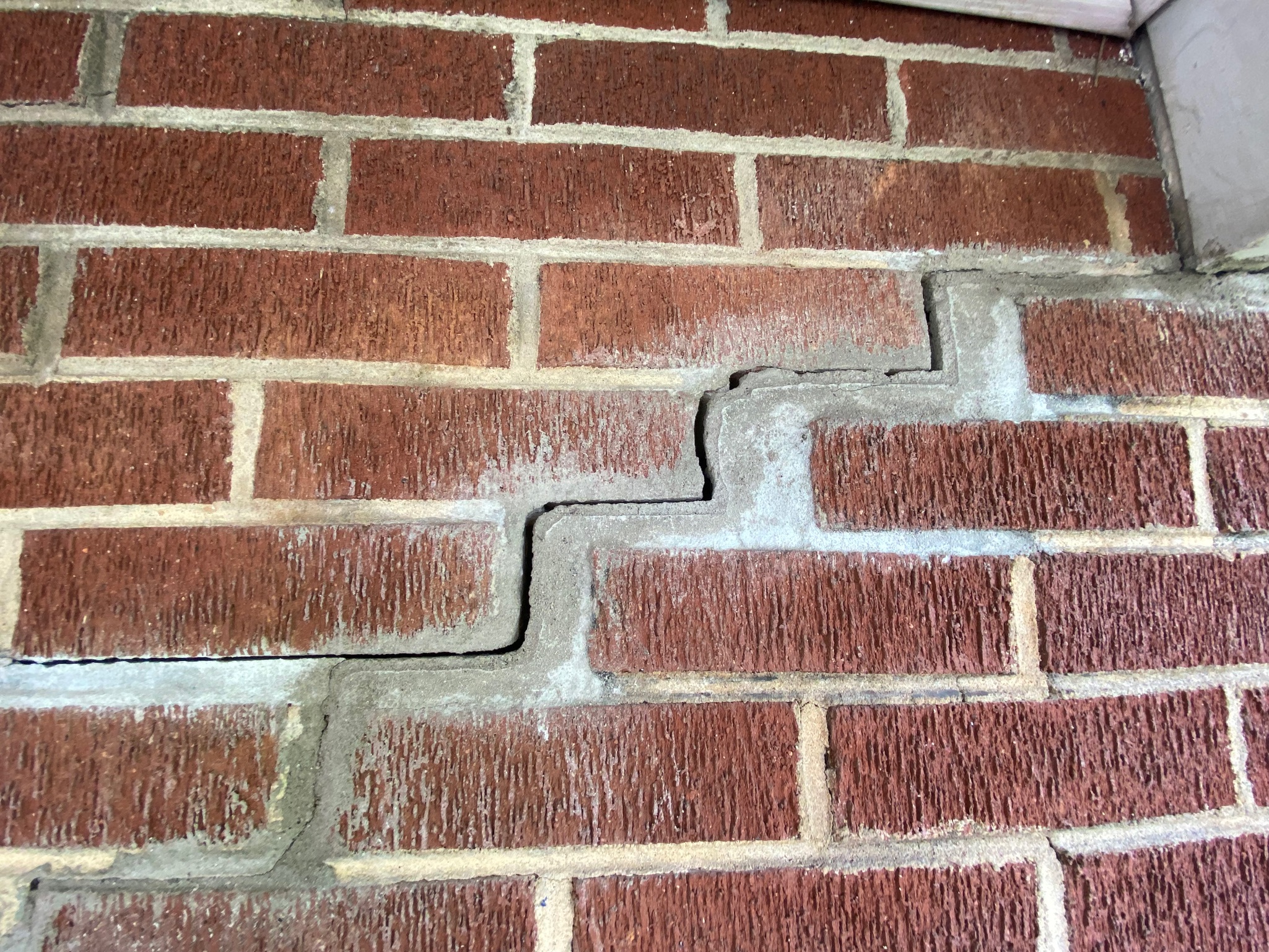
A crack in a basement or foundation wall might seem like a minor cosmetic issue — just a natural result of an aging home. But in many cases, it’s more than a visual flaw. Wall cracks are often the first visible signs of movement in your foundation and can reveal serious structural stress.
Not all cracks are equal. Their shape, direction, and location can reveal what’s going on beneath your home. Knowing how to read these cracks — and when to act — can make all the difference between a simple repair and a major foundation stabilization project.
In this article, we’ll break down what different types of foundation wall cracks mean, what causes them, and how to repair them the right way.
🔑 Key Takeaways
- Wall cracks are often early indicators of foundation movement or pressure.
- The orientation and size of cracks can signal different structural problems.
- Common causes include settlement, hydrostatic pressure, and poor construction.
- Early diagnosis and repair prevent costly structural damage.
- Professional inspection is essential to determine crack severity and appropriate solutions.
Why Do Foundation Walls Crack?
Foundation walls are designed to hold back the weight of soil and the structure above. Over time, that pressure — combined with environmental changes — can cause stress that leads to cracking.
Common Causes of Wall Cracks
- Soil Settlement
- Uneven settlement creates tension in the foundation wall.
- Hydrostatic Pressure
- Water-saturated soil pushes against walls, especially after heavy rain.
- Expansive Soils
- Clay-rich soils expand and contract, causing shifting and movement.
- Freeze-Thaw Cycles
- Water in the soil freezes and expands in winter, exerting force on the walls.
- Poor Construction or Reinforcement
- Inadequate design or weak concrete leads to premature cracking.
- Foundation Overload
- Adding upper stories or heavy structures without reinforcement stresses the foundation.
Types of Foundation Wall Cracks and What They Mean
1. Vertical Cracks
- Description: Cracks running straight up and down.
- Cause: Often related to shrinkage during concrete curing or minor settlement.
- Severity: Usually minor, but should be monitored for growth or leaks.
- Red flag: If the crack widens or leaks water, it may indicate ongoing soil movement.
2. Horizontal Cracks
- Description: Cracks running side to side, often in the middle third of a wall.
- Cause: Significant lateral pressure from saturated soil or hydrostatic pressure.
- Severity: Serious. Indicates structural stress that can lead to wall bowing or collapse.
- Action: Requires immediate professional evaluation.
3. Diagonal Cracks
- Description: Angled cracks, often starting at corners of windows or doors.
- Cause: Differential settlement — one part of the foundation settles more than another.
- Severity: Can range from minor to severe depending on crack width and movement.
- Red flag: Wider at one end, especially the top, indicates shifting that may worsen.
4. Stair-Step Cracks (in Concrete Block Walls)
- Description: Cracks following mortar joints in a zig-zag pattern.
- Cause: Settlement or lateral pressure.
- Severity: Depends on width and whether bricks are shifting.
- Red flag: Gaps large enough to insert a coin, or blocks pulling apart.
5. Cracks with Displacement
- Description: Cracks where one side of the wall is offset from the other.
- Cause: Active movement or structural failure.
- Severity: Very serious. Indicates the wall is no longer holding its shape.
- Action: Needs immediate professional stabilization.
When a Crack Means Trouble
Cracks are common — but not all are harmless. Use this guide to determine whether yours is cause for concern:
| Crack Characteristic | Action Needed |
|---|---|
| Hairline, stable over time | Monitor annually; no urgent action. |
| Leaking or wet crack | Waterproofing or sealing needed. |
| Widening over time | Needs evaluation and possible repair. |
| Horizontal or bowed wall | Urgent — structural repair required. |
| Displaced or offset crack | Critical — foundation stabilization needed. |
Dangers of Ignoring Foundation Wall Cracks
1. Progressive Structural Damage
What starts as a small crack can widen as pressure builds, leading to bowing walls, collapsing sections, or complete foundation failure.
2. Water Intrusion
Cracks allow groundwater into your basement, leading to moisture, mold, and damage to belongings or finishes.
3. Decreased Home Value
Visible foundation damage can deter potential buyers and significantly lower resale value.
4. Safety Hazards
In severe cases, compromised foundation walls can endanger the structural integrity of the entire home.
Professional Repair Solutions for Wall Cracks
The best repair method depends on the type and cause of the crack. Here are common professional solutions:
Epoxy or Polyurethane Injection
- Best for: Hairline or vertical cracks.
- How it works: Fills the crack to prevent water intrusion and bond the wall together.
- Note: Not suitable for actively moving cracks.
Carbon Fiber Reinforcement
- Best for: Bowing walls with horizontal cracks.
- How it works: High-strength carbon fiber straps bonded to walls prevent further movement.
- Benefits: Non-invasive, effective, low profile.
Wall Anchors
- Best for: Walls that are bowing due to soil pressure.
- How it works: Anchors extend into stable soil and pull the wall back into alignment.
- Benefits: Restores wall stability and allows for gradual straightening.
Steel I-Beams
- Best for: Severe bowing or displacement.
- How it works: Vertical steel beams installed inside basement support and stabilize the wall.
- Benefits: Strong, permanent solution.
Exterior Waterproofing and Drainage Corrections
- Best for: Cracks caused by water pressure or drainage issues.
- How it works: Excavation, waterproof membranes, and French drains reduce external pressure on walls.
Real-Life Example: Reading the Cracks Right
A homeowner in Roanoke, VA, noticed a horizontal crack developing across the back wall of her basement. Over the course of several months, it widened and began leaking after rain. Doors upstairs started sticking.
She called Seal-Tite Basement Waterproofing. An inspection confirmed that saturated clay soil was exerting extreme lateral pressure on the basement wall.
Solution:
- Installed wall anchors to stabilize and straighten the wall.
- Sealed cracks with epoxy injection.
- Extended downspouts and improved yard grading.
After repairs, the home was stabilized, waterproofed, and ready to handle future weather without risking further damage.
FAQs: Foundation Wall Cracks
Are all cracks in basement walls dangerous?
No — some small, stable cracks are harmless. But horizontal, widening, or leaking cracks usually indicate structural or water pressure issues that need repair.
Will sealing a crack stop movement?
No. Sealing prevents water intrusion but doesn’t stop the underlying foundation shift. Reinforcement may still be necessary.
Can cracks close on their own?
No. Once formed, cracks don’t heal. If anything, they tend to expand over time if the underlying issue isn’t addressed.
Is crack repair expensive?
Minor sealing may cost a few hundred dollars. Structural repairs like wall anchors or reinforcement range from $2,000 to $10,000+, depending on severity.
Should I buy a home with foundation wall cracks?
It depends on the crack type and whether it has been professionally repaired. Always get a foundation inspection before proceeding.
Conclusion: Don’t Ignore What the Cracks Are Saying
Foundation wall cracks are more than surface-level flaws — they’re a message from your home, telling you something’s wrong. Some cracks may be minor and harmless, but others are early warnings of serious structural stress.
The key is knowing how to interpret them and acting before the problem grows. Whether it’s sealing a small vertical crack or reinforcing a bowing wall, addressing the issue early is always the smartest — and most cost-effective — choice.
If you’ve spotted cracks in your foundation walls, don’t guess. Contact Seal-Tite Basement Waterproofing for a professional inspection. Our team will determine the cause, explain your options, and provide long-lasting solutions to restore strength, stability, and peace of mind.

Seal-tite Basement Waterproofing Co. is a full service basement environment contractor. We carry an A+ Better Business Bureau rating. We repaired over 40,000 homes and structures in Virginia, West Virginia, Tennessee, and North Carolina. We are fully insured and licensed. We have worked in all types of locations, including residential and commercial locations, government agencies, colleges, hospitals, churches, and condo associations.
Seal-tite® offers a lifetime transferable warranty. We carry a Class A Contractor’s License and we are fully insured. Our satisfied customers range from government agencies to businesses, hospitals, colleges, churches, and thousands of homeowners. Your home is probably the single largest investment you will make in your lifetime. Don’t wait, call Seal-tite® to help make your home dry, safe and livable.

