
Your foundation is the most critical structural component of your home — it supports walls, floors, roofs, and everything in between. But while many homeowners understand the importance of roof inspections or HVAC servicing, foundation maintenance often goes overlooked.
Just like regular car maintenance prevents breakdowns, a proactive foundation maintenance plan helps avoid unexpected and costly repairs. Investing in routine check-ups and preventative care doesn’t just protect your home’s structure; it also safeguards your family’s safety, comfort, and property value.
In this article, we’ll explore why foundation maintenance plans are essential, what they typically include, and how they can save you money and stress in the long run.
🔑 Key Takeaways
- Regular maintenance prevents minor foundation issues from becoming major structural failures.
- Plans include inspections, drainage evaluations, crack monitoring, and soil moisture management.
- Early detection helps avoid costly repairs and maintain property value.
- Maintenance plans are customized to local soil, climate, and home design.
- Partnering with foundation experts ensures peace of mind year-round.
Why Foundations Need Maintenance
Most homeowners assume that once a foundation is built, it requires no further attention. In reality, your foundation is constantly exposed to forces that can cause gradual wear and tear.
Ongoing Stress Factors
- Soil movement: Expansive soils swell when wet and shrink when dry, creating shifting pressures.
- Hydrostatic pressure: Water-saturated soil pushes against basement walls.
- Drainage issues: Poor water management causes soil erosion and uneven settlement.
- Tree roots: Roots draw moisture from the soil, affecting soil stability around the foundation.
Over time, these forces can create cracks, uneven settlement, bowing walls, and water intrusion. Regular maintenance mitigates these risks before they become costly emergencies.
What’s Included in a Foundation Maintenance Plan?
Annual or Biannual Inspections
- Check for new or expanding cracks in walls, floors, and foundation slabs.
- Evaluate basement or crawl space conditions for signs of moisture or mold.
- Monitor exterior foundation walls for bulging, leaning, or gaps.
Drainage and Grading Assessments
- Ensure yard grading directs water away from the foundation.
- Inspect gutters, downspouts, and splash blocks for functionality.
- Check for pooling water near the foundation after heavy rains.
Crack Monitoring
- Document and measure existing cracks.
- Establish baseline measurements to track changes over time.
- Recommend sealing or structural repair if cracks expand or leak.
Soil Moisture Management Guidance
- Offer recommendations for proper watering practices during dry seasons.
- Evaluate proximity and impact of landscaping features and tree roots.
Customized Preventive Recommendations
Depending on your home’s soil type, climate, and foundation design, a maintenance plan may include:
- Installing or upgrading sump pumps.
- Adding or maintaining French drain systems.
- Installing root barriers for nearby trees.
- Reinforcing basement walls proactively.
Benefits of a Foundation Maintenance Plan
1. Early Detection = Lower Costs
Catching a small crack or slight settlement early often means a quick, low-cost fix. Waiting until the problem worsens may require piers, wall anchors, or complete underpinning — repairs that can cost tens of thousands of dollars.
2. Protects Property Value
A strong foundation maintains the structural integrity and resale value of your home. Visible foundation issues can reduce offers or scare away buyers altogether.
3. Prevents Water Damage
Foundation cracks and settlement can lead to water infiltration, damaging basements, crawl spaces, and finished lower levels. Preventing this damage also protects indoor air quality by reducing mold risks.
4. Peace of Mind
Knowing your foundation is regularly checked and maintained allows you to focus on enjoying your home instead of worrying about hidden threats below.
5. Extends the Life of Your Home
Regular foundation care helps ensure your home stands strong for decades, avoiding premature structural deterioration.
Real-Life Example: The Value of Proactive Care
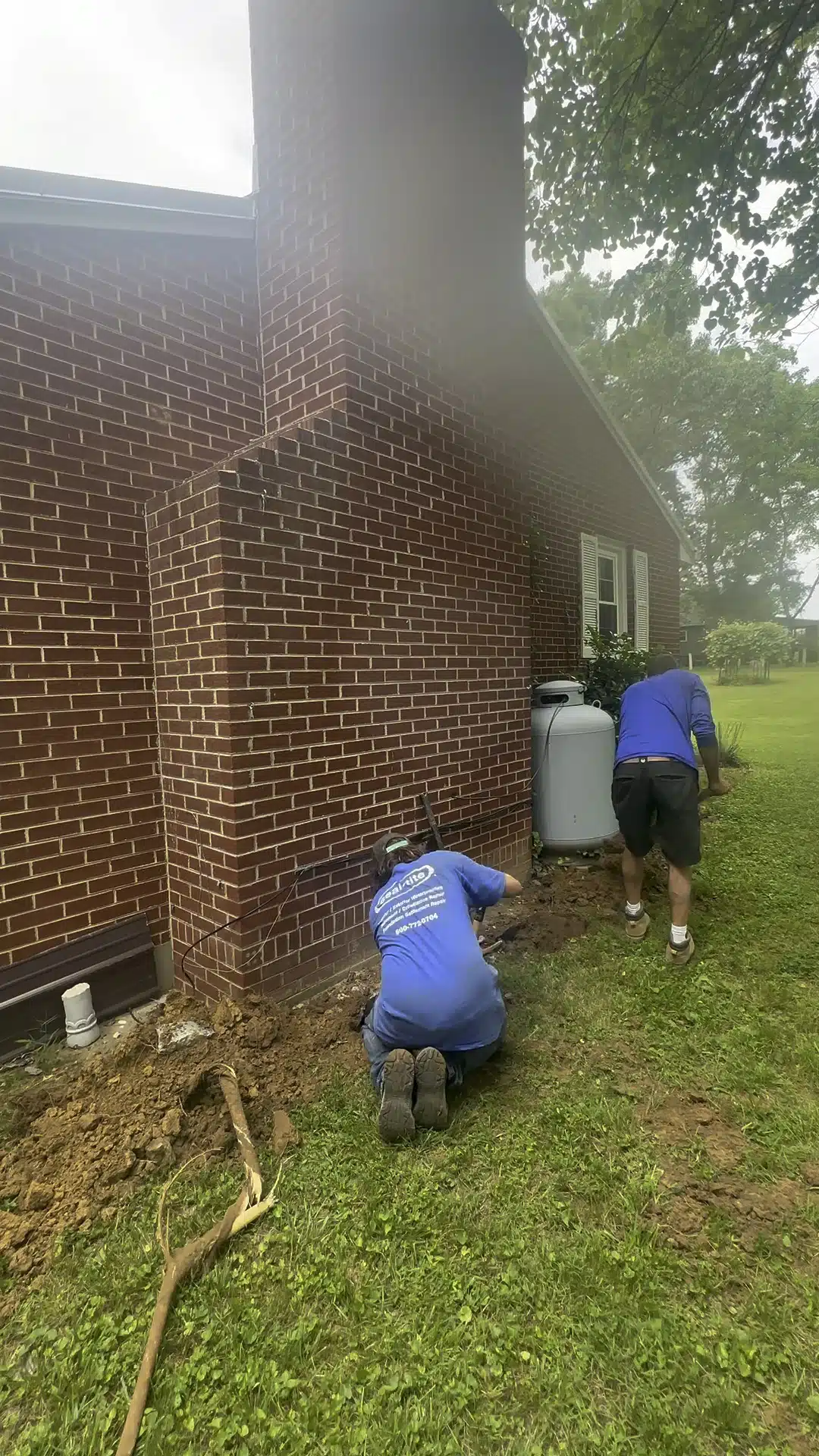
A homeowner in Roanoke, VA, enrolled in a foundation maintenance plan after experiencing minor hairline cracks in her basement walls. During a scheduled inspection, a Seal-Tite expert noted that two cracks had slightly widened and observed early signs of soil settlement along the back corner of the home.
Actions Taken:
- Sealed the cracks with epoxy injection to prevent water intrusion.
- Installed a new downspout extension to redirect water away from the affected area.
- Recommended adjustments to landscaping to improve grading.
By catching these issues early, the homeowner avoided major structural repairs estimated at over $20,000 had the problem progressed undetected.
FAQs: Foundation Maintenance Plans
Are maintenance plans only for older homes?
No. Even new homes can experience settlement or drainage problems, especially in areas with expansive soils. Early maintenance protects your investment regardless of your home’s age.
How often should foundation inspections be done?
Typically once a year, but homes in high-risk areas (expansive soil, heavy rain zones) may benefit from biannual inspections.
Can I do foundation maintenance myself?
Basic tasks like cleaning gutters or extending downspouts can be DIY. However, structural assessments and crack monitoring should always be performed by professionals.
What if my foundation is already damaged?
A maintenance plan can still help stabilize and prevent further deterioration, even if repairs have already been made.
How much does a maintenance plan cost?
Costs vary based on home size and services included. On average, annual plans range from $300 to $1,000 — a fraction of the price of major foundation repairs.
Signs You Should Enroll in a Maintenance Plan
Consider signing up for a foundation maintenance plan if:
- You live on expansive clay soils or in an area with frequent heavy rains.
- You see recurring cracks or have experienced water infiltration before.
- Your home is surrounded by large trees or complex landscaping.
- You plan to stay in your home long-term and want to protect its value.
- You recently completed foundation repairs and want to ensure lasting results.
Conclusion: Build Peace of Mind from the Ground Up
A strong foundation is the quiet hero of your home, carrying the weight of everything above it. But without proper care, even the most solid foundation can become vulnerable to shifting soils, water damage, and structural failures.
A foundation maintenance plan isn’t just an extra service — it’s a smart investment in your home’s future. It allows you to stay ahead of problems, avoid costly repairs, and preserve both your property value and peace of mind.
If you’re ready to protect your home’s most important asset, Seal-Tite Basement Waterproofing can help. Our customized maintenance plans are designed to fit your home’s unique needs, local soil conditions, and weather patterns. Let us help you keep your foundation — and your entire home — safe and sound for years to come.

Seal-tite Basement Waterproofing Co. is a full service basement environment contractor. We carry an A+ Better Business Bureau rating. We repaired over 40,000 homes and structures in Virginia, West Virginia, Tennessee, and North Carolina. We are fully insured and licensed. We have worked in all types of locations, including residential and commercial locations, government agencies, colleges, hospitals, churches, and condo associations.
Seal-tite® offers a lifetime transferable warranty. We carry a Class A Contractor’s License and we are fully insured. Our satisfied customers range from government agencies to businesses, hospitals, colleges, churches, and thousands of homeowners. Your home is probably the single largest investment you will make in your lifetime. Don’t wait, call Seal-tite® to help make your home dry, safe and livable.

